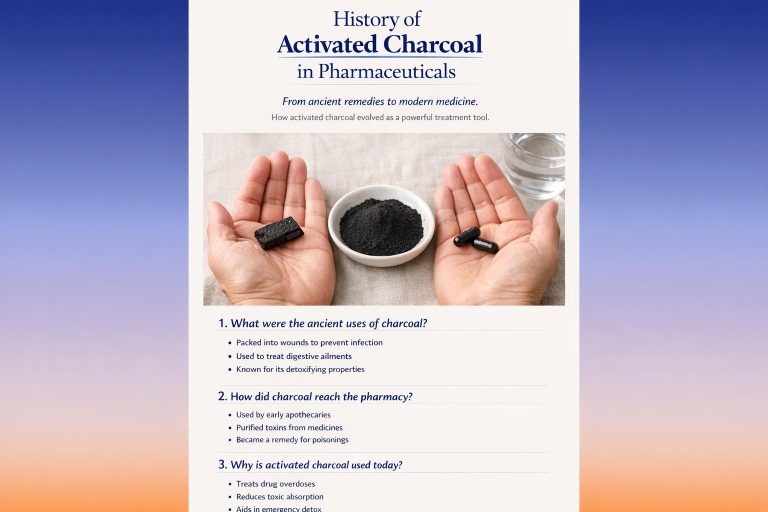
History of Activated Charcoal in Pharmaceuticals
A concise history of activated charcoal’s medical use, from ancient wound care to modern poison treatment, drug purification, and activation methods.

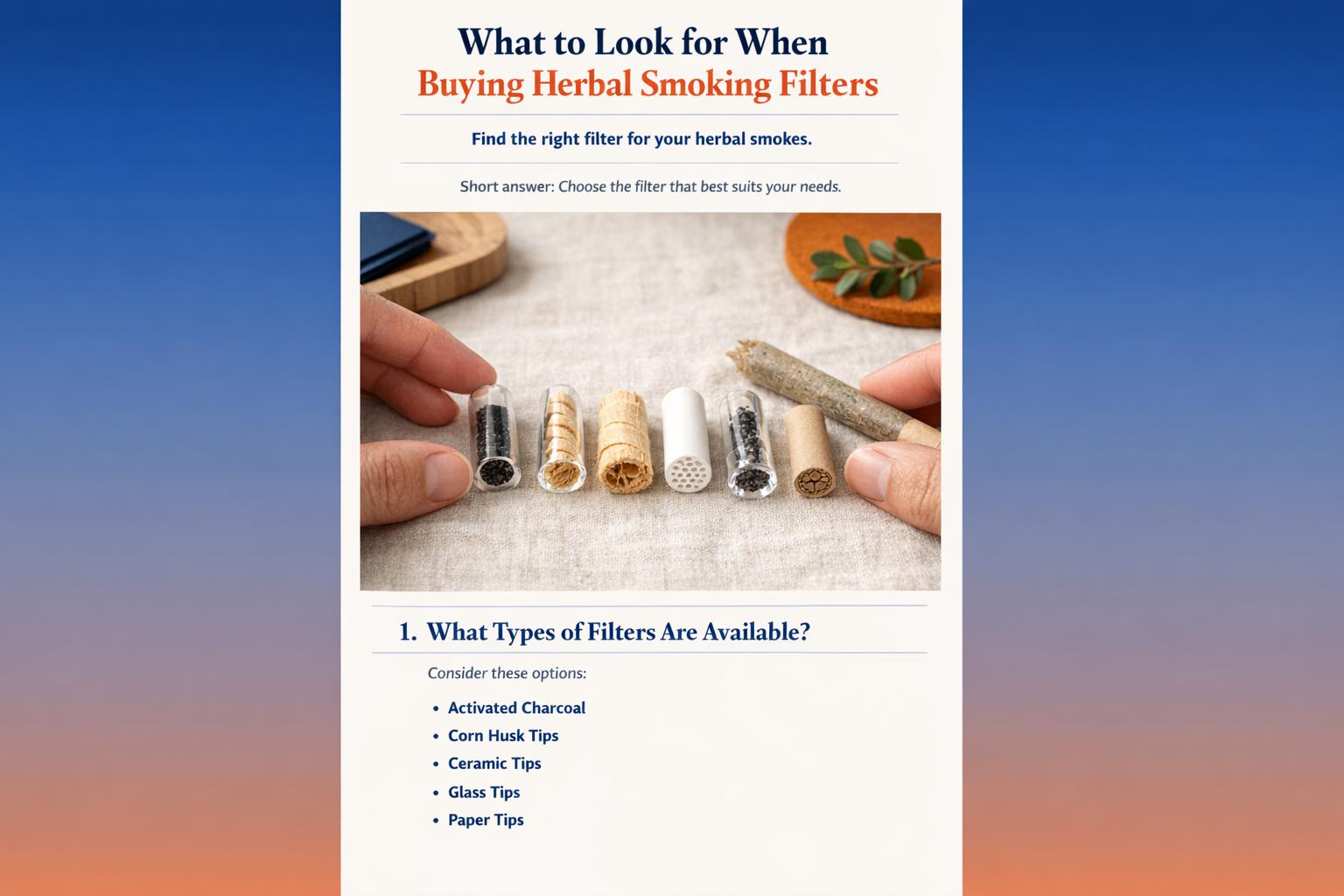
Herbal smoking filters are designed to improve your smoking experience by reducing ash, resin, and harsh compounds while maintaining airflow and flavor. The right filter depends on your preferences – whether you prioritize cleaner smoke, preserving taste, or ease of use. Key factors to consider include:
For a smoother, cleaner experience, activated charcoal filters, especially those made from coconut-shell charcoal, stand out for their efficiency and eco-conscious design. Glass or ceramic filters are ideal for flavor preservation and reusability. Choose based on your smoking habits and priorities.
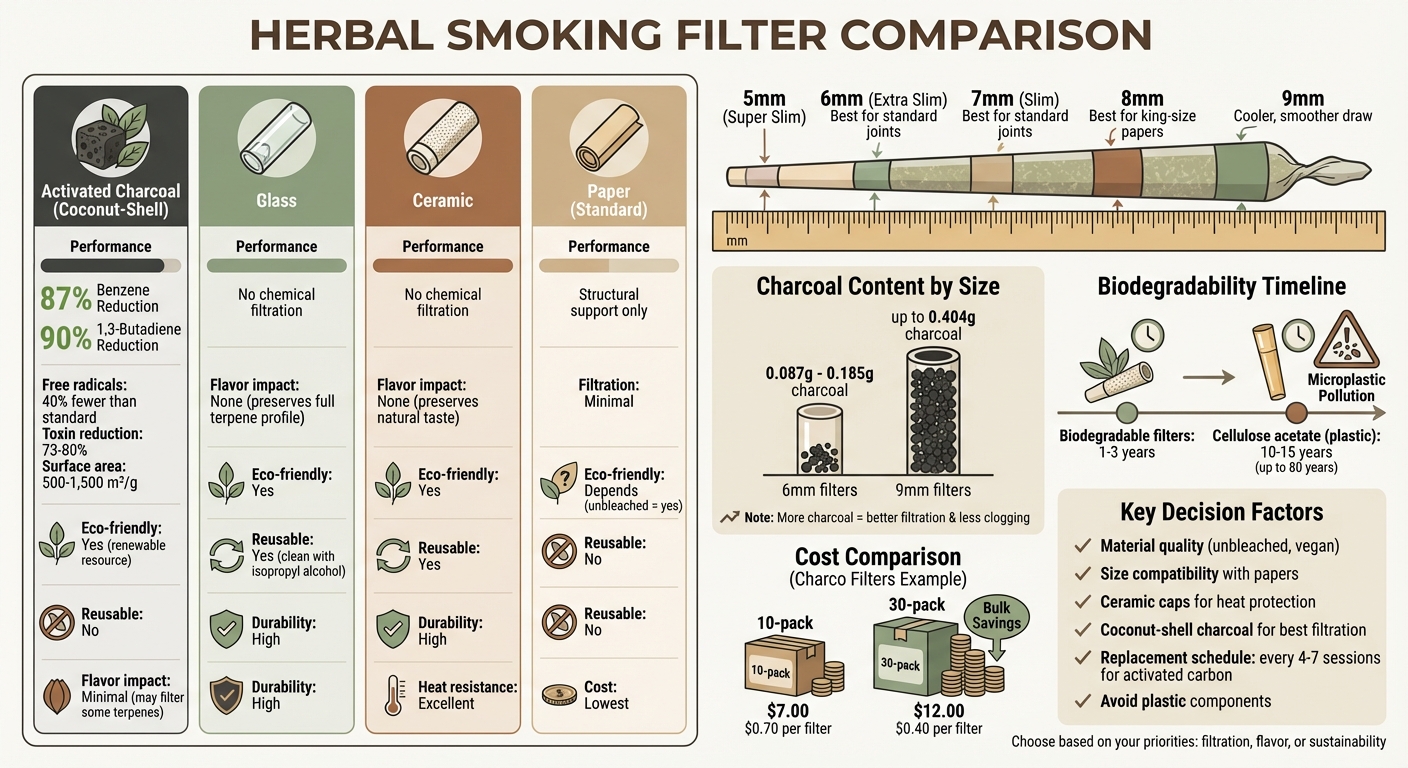
Herbal Smoking Filter Comparison: Materials, Performance & Cost
Activated charcoal plays a key role in herbal smoking filters because of its impressive ability to trap unwanted compounds. Unlike basic paper or cardboard tips that only provide structural support, activated charcoal uses its massive internal surface area to adsorb harmful substances. To put it into perspective, just one gram of activated charcoal can have between 500 and 1,500 square meters of internal surface area – roughly the same as a tennis court. This network of microscopic pores effectively captures heavier molecules like tar and combustion byproducts, while letting smaller molecules, such as cannabinoids and terpenes, pass through with minimal disruption. This balance is what makes activated charcoal filters a game-changer for enhancing the smoking experience.
Activated charcoal filters operate through a process called selective adsorption. This isn’t about physically blocking particles based on size but rather using its pores to attract and trap non-polar molecules like benzene, acrolein, and other harsh byproducts of combustion. These are the compounds responsible for throat irritation and a harsher smoking experience.
Lab studies reveal that high-quality activated charcoal filters can reduce benzene levels by as much as 87% and 1,3-butadiene by up to 90%. Additionally, they allow 40% fewer unstable free radicals to pass through compared to standard filters.
"Activated carbon doesn’t work like a mechanical sieve that blocks particles simply because of their size. Instead, it uses a physical process called adsorption." – Dr. Hybrid, Filter Pioneer
This process allows the filter to remove harsh compounds without altering the herb’s natural flavor or aroma, delivering a smoother and more enjoyable experience. The effectiveness of this filtration depends heavily on the source of the charcoal, which is explored next.
When it comes to activated charcoal, not all sources are created equal. Coconut-shell charcoal stands out as the preferred option, thanks to its unique micropore structure, which is especially effective at trapping smaller gas molecules and toxins. By contrast, wood-based or coal-based charcoal tends to have larger pores, making it less efficient at capturing fine pollutants.
Coconut-shell charcoal also has the added benefit of being a renewable resource, as it repurposes agricultural waste. The steam activation process used to create it involves heating the shells to temperatures between 1,100°F and 2,200°F. This process forms the highly porous structure without the need for chemical treatments, ensuring the charcoal is both safe and effective for inhalation.
"The granular shape maximizes its geometric, microporous surface, significantly increasing surface area and thereby increasing its effectiveness with the short contact time of smoke." – SIPipes
Lab tests back up these claims, showing that coconut-shell charcoal filters can remove up to 38% more pollutants compared to traditional activated carbon filters. Its minimal ash content and neutral taste also ensure that it doesn’t interfere with the herb’s natural flavors, making it both an efficient and eco-friendly choice for filtration.
Once you understand how activated charcoal works, it’s worth looking into how filter design can amplify its benefits. The way a filter is designed affects not only how well it performs but also airflow and how long it lasts. Let’s break down some key design aspects that can elevate your smoking experience.
The size of your filter matters more than you might think. Most herbal smoking filters come in standard diameters: 5mm (Super Slim), 6mm (Extra Slim), 7mm (Slim), and 9mm [20,21]. Choosing the right size depends on your rolling paper. For standard joints, 6–7mm filters work best, while king-size papers pair well with 7–8mm filters to ensure proper airflow and support.
Here’s a tip: wider filters often provide a cooler, smoother draw with less resistance. On the other hand, narrower filters create a tighter draw, which some smokers find more satisfying.
The materials used in your filter are just as important as the size. Look for filters made with sturdy, unbleached paper and dual ceramic caps [20,7]. High-grade charcoal filters typically feature ceramic caps on both ends, which serve two purposes: they shield the charcoal and paper from heat and allow the filter to be used from either direction [8,5].
"Active charcoal… only works at the cartridge in the stem and shank… and the ceramic caps protects the charcoal and the paper cartridge from the glowing burning tobacco" – Redcoat’s Return, YouTube Piper
One thing to avoid? Filters with plastic components. They can melt under high heat and compromise safety.
While performance is the top priority, the look of your filter can add to the overall experience. Ceramic caps, for instance, don’t just improve functionality – they also provide a sleek, minimalist touch that pairs well with natural materials. A thoughtfully designed filter can make the smoking ritual feel more refined and enjoyable.
When choosing a filter with the planet in mind, the materials used are just as important as how well the filter performs. Traditional filters are often made from cellulose acetate, a type of plastic that takes anywhere from 10 to 15 years to decompose – though some estimates suggest it could take up to 80 years. Even worse, as these filters break down, they leave behind harmful microplastics that can pollute soil and waterways.
Eco-friendly filters are crafted from natural plant fibers like hemp, flax, cotton, and rice paper. These materials break down much faster, typically within 1 to 3 years. Unlike plastic-based filters, biodegradable options decompose into harmless byproducts like water, CO₂, and natural biomass, leaving no toxic residues behind. Some even include wildflower seeds that sprout as the filter naturally degrades.
When shopping for these filters, look for labels that specify "plastic-free" or mention natural fibers. Filters made from unbleached materials often have a brown or off-white hue, signaling they haven’t undergone harsh chemical treatments. These eco-conscious features naturally complement filters that use unbleached and vegan components for a cleaner, greener burn.
Opting for unbleached paper filters is another step toward sustainability. Unbleached paper skips the chemical treatments, like chlorine bleaching, used in traditional white filters. This results in a cleaner burn, fewer pollutants, and a smoking experience that preserves the natural flavor of your herbs.
For those seeking vegan options, pay attention to the adhesives used. Many eco-friendly filters rely on plant-based adhesives, such as gum arabic derived from acacia trees, instead of animal-based glues. A great example is Charco Filters, which combine unbleached paper with coconut-shell activated charcoal and ceramic caps. These materials are not only vegan but also align with sustainable practices, making them a solid choice for eco-conscious users.
The cost of herbal smoking filters can vary depending on the pack size and the materials used. For instance, at Charco, a 10-pack of filters is priced at $7 (around $0.70 per filter), while a 30-pack costs $12 (approximately $0.40 per filter). It’s worth considering your smoking habits to choose the right pack size for your needs.
Buying in larger quantities often reduces the cost per filter. To figure out the cost per filter, simply divide the total price by the number of filters in the pack. If you smoke regularly – say, a few times each week – larger packs offer better value. On the other hand, if you smoke less frequently, smaller packs can help you avoid unnecessary waste. While opting for lower-cost packs can save money, it’s important to consider how quality affects performance.
Filters with premium features, like coconut-shell activated charcoal and ceramic caps, may come at a higher price but deliver better results. Studies indicate that activated charcoal filters can reduce free radicals in smoke by 40% compared to standard cellulose acetate filters. Additionally, the amount of charcoal in the filter impacts its effectiveness: 6mm filters typically contain between 0.087g and 0.185g of charcoal, while 9mm filters can hold up to 0.404g, offering improved filtration and reducing clogging issues.
Choosing the cheapest option isn’t always the best idea if it means sacrificing quality. Filters with ceramic caps, for example, provide a cooler, more comfortable smoking experience and are less likely to degrade quickly. Spending slightly more for filters with heat-resistant materials and higher charcoal content can result in smoother, cleaner smoke. For frequent smokers, bulk packs of high-quality filters are a smart investment, while occasional smokers can stick to smaller packs that still provide reliable performance.
Choose the filter that aligns with your priorities. Activated charcoal filters, particularly those made from coconut shells, are effective at reducing toxic compounds by 73%–80% and cutting free radicals by 40%. However, they might also filter out some desirable terpenes.
If flavor is your main concern, glass or ceramic filters are a great option. They preserve the full terpene profile and maintain the natural taste. Plus, they’re reusable, which makes them a solid choice for eco-conscious smokers. Just keep in mind that regular cleaning with isopropyl alcohol is essential to keep them performing at their best.
Think about your lifestyle when deciding. Make sure the filter size works with your setup to avoid airflow problems, and if you’re using activated carbon filters, replace them every 4 to 7 sessions to prevent tar buildup. The right filter isn’t just about function – it enhances your entire smoking experience.
Coconut-shell charcoal stands out as a top pick for smoking filters thanks to its high micro-pore surface area, which works wonders in trapping impurities. This natural structure helps remove unwanted particles while keeping the flavor untouched, ensuring a cleaner smoking experience.
What’s more, coconut-shell charcoal is a renewable and environmentally friendly material, making it a smart choice for anyone mindful of their ecological impact. Its long-lasting nature and effectiveness make it an ideal option for a smoother, cleaner smoking ritual.
When picking the right size for your herbal smoking filter, it all comes down to the filter’s diameter and how well it fits your smoking device. Measure the opening of your device to ensure a snug fit – neither too tight nor too loose.
Filters are available in a variety of materials, including wood, glass, ceramic, and activated charcoal. Each material has its own perks, so trying out different sizes and types can help you discover the option that feels just right for your smoking experience.
Yes, there are options that let you enjoy herbal smoking while keeping waste in check. Biodegradable paper filter tips are perfect for those who smoke occasionally. They naturally break down over time, making them a better choice for the planet. If you’re looking for something more durable, ceramic filter tips are reusable and built to last, offering a practical way to cut down on waste.
Some filters even use activated charcoal, which can enhance your experience while being made from eco-friendly materials. Whether you go for reusable ceramic tips or biodegradable paper filters, these choices let you stick to your ritual without adding unnecessary waste.
A concise history of activated charcoal’s medical use, from ancient wound care to modern poison treatment, drug purification, and activation methods.

Biodegradable smoking filters use coconut-shell charcoal, unbleached paper and ceramic tips to reduce toxins and decompose in 1–3 years.
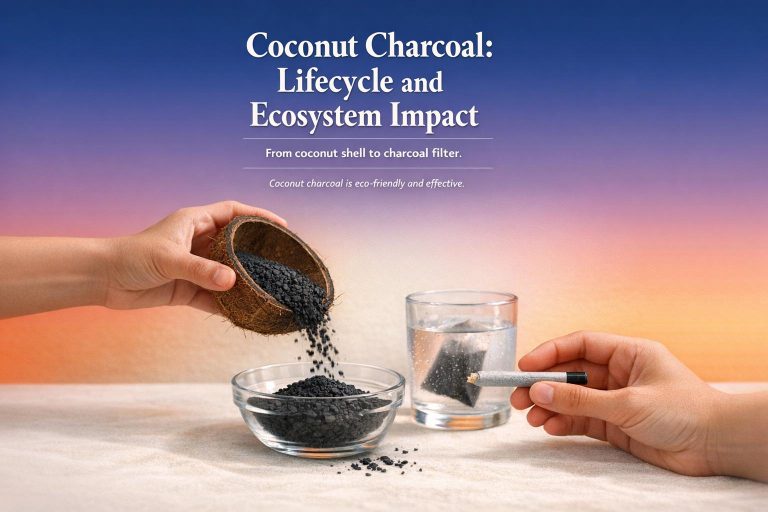
From discarded shells to activated carbon: lower-emission production, waste-to-resource benefits, and uses in water and smoking filtration.
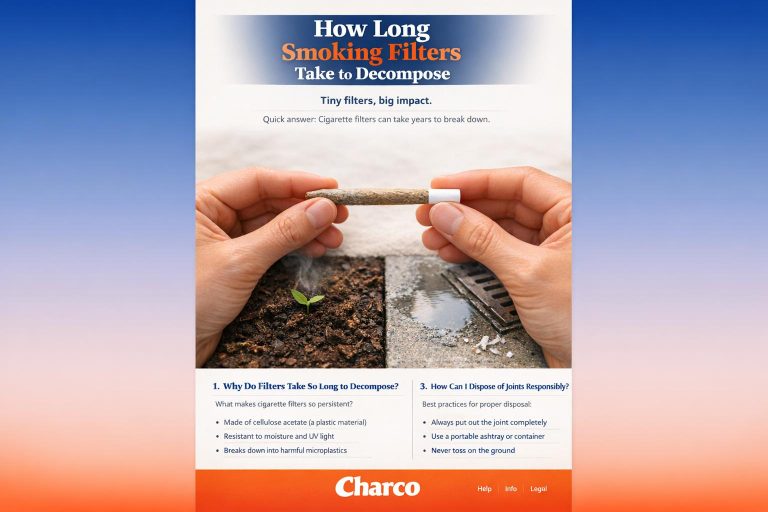
Cigarette filters can persist for years, fragment into microplastics, and only decompose fast in managed compost—material and disposal shape their harm.
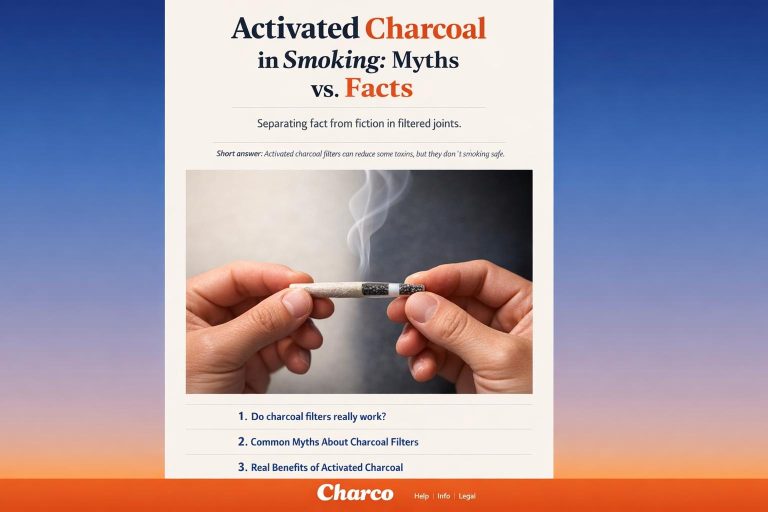
Activated charcoal filters trap many gas-phase toxins, reduce throat irritation and preserve THC/CBD, but they don’t remove gases like CO or eliminate smoking risks.

Charcoal-driven smoke rituals blend spiritual meaning with practical purification—from Indigenous ceremonies to modern activated charcoal filters.