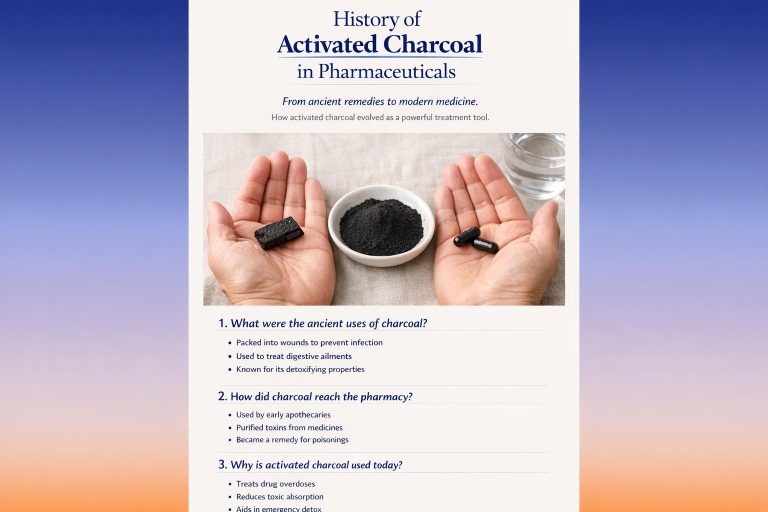
History of Activated Charcoal in Pharmaceuticals
A concise history of activated charcoal’s medical use, from ancient wound care to modern poison treatment, drug purification, and activation methods.

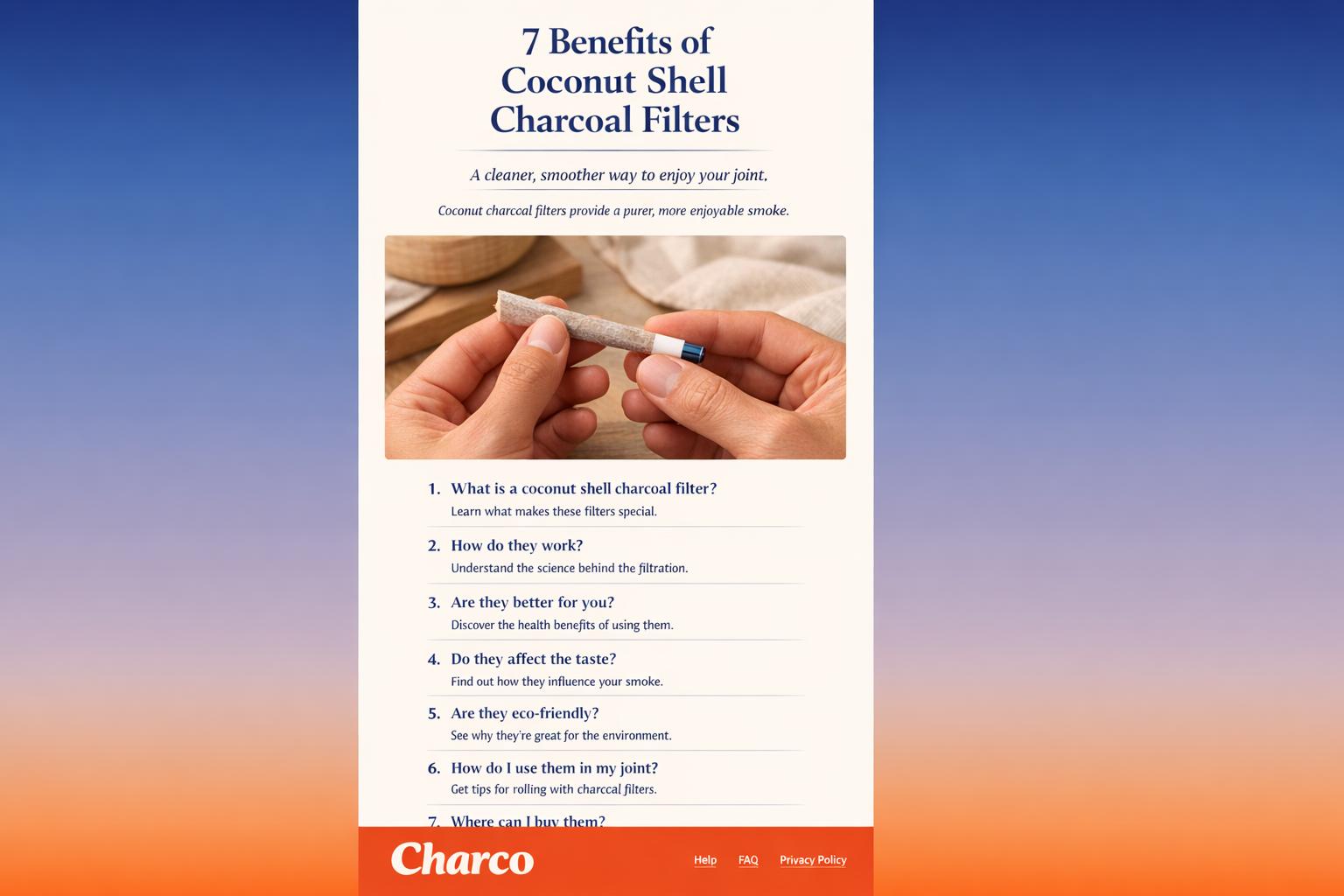
Coconut shell charcoal filters are a smart choice for smokers seeking a cleaner, less irritating experience while supporting eco-friendly alternatives. These filters use activated carbon from coconut shells to reduce harmful toxins, improve taste, and lower smoke odors. Here’s what makes them stand out:
These filters combine effective toxin reduction with a cleaner, smoother smoking experience, all while being kinder to the planet.
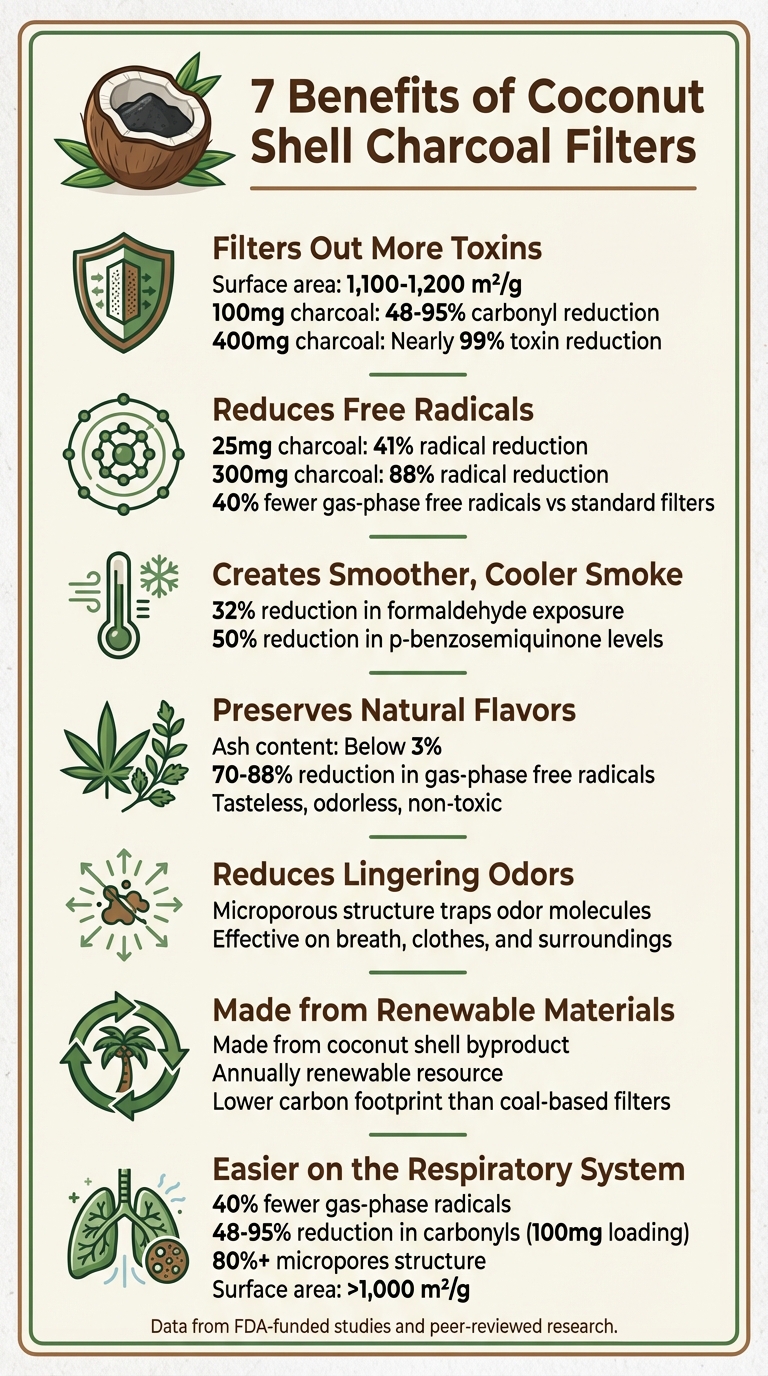
7 Benefits of Coconut Shell Charcoal Filters: Key Statistics and Features
Coconut shell charcoal filters rely on adsorption – a process where harmful molecules stick to the surface of the carbon, rather than being absorbed. This works because activated coconut charcoal is packed with an intricate network of microscopic pores, boasting a surface area of 1,100–1,200 m²/g. These pores act like tiny magnets, trapping toxic chemicals in smoke before they can reach your lungs. This makes coconut shell charcoal highly effective at reducing harmful substances, as confirmed by several studies.
One such study, funded by the Center for Tobacco Products at the U.S. Food and Drug Administration in June 2017, tested filters from 10 cigarette brands containing 100 mg to 400 mg of charcoal. The results were eye-opening: 100 mg of charcoal reduced most carbonyls by 48% to 95%, while filters loaded with 400 mg achieved reductions of nearly 99% for the same toxins. These carbonyls include formaldehyde and acrolein – both of which are carcinogens linked to heart and lung diseases.
"Charcoal is characterized by high specific surface area and porosity, facilitating the adsorption of volatile and semi-volatile chemicals from MSS [mainstream cigarette smoke], including aldehydes, aliphatic amines, and monocyclic aromatic compounds." – Clifford Watson Ph.D., Author, Regulatory Toxicology and Pharmacology
Further supporting this, a 2018 study from Pennsylvania State University, published in Chemical Research in Toxicology, showed that a 300 mg charcoal load reduced gas-phase radicals by 88%, while nicotine delivery only dropped by 33%. This selective filtration is key – it targets harmful toxins while preserving active components. Additionally, commercial charcoal filters were found to produce 40% fewer gas-phase free radicals compared to standard cellulose acetate filters. This reduction helps minimize oxidative stress, which can lead to protein damage, lipid degradation, and DNA harm.
Both studies demonstrated that the effectiveness of these filters increases with the amount of charcoal used. Even a small 25 mg load reduced gas-phase radicals by 41%, while loads of 300–400 mg nearly eliminated targeted toxins. Importantly, these higher charcoal amounts kept reductions in tar and nicotine below 20%, maintaining the desired smoking experience while significantly cutting harmful constituents.
Free radicals can wreak havoc on your body by damaging cells through protein oxidation, lipid peroxidation, and DNA damage. Over time, this oxidative stress has been connected to serious health conditions like lung cancer, cardiovascular disease, and chronic obstructive pulmonary disease (COPD).
Coconut shell charcoal filters bring an added benefit: they help combat free radicals. Thanks to their activated carbon’s microporous structure – over 80% micropores – these filters effectively trap small free radicals and volatile organic compounds. When smoke passes through, these reactive molecules stick to the carbon’s extensive internal surface area through adsorption, significantly reducing the oxidative burden on your lungs.
And the results? They’re impressive. Studies show that even a small amount, like 25 mg of activated charcoal, can reduce gas-phase radicals by 41%. Filters with higher loads, such as 300 mg, can cut radical delivery by as much as 88%.
"Free radicals promote protein oxidation, lipid peroxidation, and DNA damage in cells and tissues. Oxidative damage resulting from free radicals in cigarette smoke has been extensively studied as a potential link between cigarette smoking and the development of a number of smoking-related diseases including cancer, cardiovascular disease, and COPD." – Reema Goel et al., Pennsylvania State University Tobacco Center of Regulatory Science
On top of that, research indicates that smokers using charcoal filters have higher levels of glutathione (GSH), a key antioxidant that strengthens cellular defenses. This suggests that by reducing exposure to free radicals, these filters may help lower systemic oxidative stress over time, offering an extra layer of protection for your respiratory health.
One of the standout benefits of these filters is how they enhance the smoking experience by producing smoother, cooler smoke.
Coconut shell charcoal filters are designed to cool the smoke, offering a gentler draw that’s easier on your throat. This is achieved through the activated coconut charcoal’s microporous structure, which effectively captures irritants like formaldehyde, hydrogen cyanide, and ammonia. Studies show that activated coconut charcoal reduces formaldehyde exposure by a median of 32% and lowers p-benzosemiquinone levels by up to 50%.
The design of the filter also plays a key role in cooling the smoke. The granular charcoal creates an intricate pathway for the smoke to travel through, while ceramic caps at both ends help dissipate heat before the smoke reaches your mouth. This ensures a comfortably cool draw.
"As the smoke passes through our activated coconut carbon, tars and carcinogens are trapped in the microscopic pores. The result is a remarkably smooth, cleaner smoking experience." – SI Pipes
With such an extensive contact area, the filter effectively traps more irritants, resulting in smoke that feels smoother, less harsh, and much easier to inhale.
Coconut shell charcoal filters are designed to remove harsh compounds while keeping the natural taste of your herbs intact. By targeting unwanted gas-phase molecules, these filters ensure that the authentic flavors of your herbs remain unaltered.
What sets these filters apart is their natural composition – they’re tasteless, odorless, and non-toxic. This means you won’t experience any charcoal or chemical aftertaste when using them. With an ash content typically below 3%, they minimize the presence of fine particles or mineral residues that could interfere with flavor. In contrast, coal-based carbon filters often leave behind an ashy or chemical taste, making coconut shell charcoal a superior choice.
Thanks to their microporous structure, these filters excel at trapping smaller, unwanted molecules such as volatile organic compounds (VOCs) and combustion byproducts. At the same time, they allow flavor-rich compounds to pass through, enhancing the herbal profile. This process not only reduces the harsh "bite" and acridity of smoke but also makes the underlying herbal flavors more noticeable. However, it’s worth mentioning that this selectivity might slightly soften aromatic nuances – a small trade-off to consider.
"Activated charcoal is extremely effective at removing gas-phase compounds. It is far less effective at removing particulate-bound compounds. That distinction is the key to understanding what happens when you use these filters with cannabis." – High Times
Because terpenes are volatile, the filter may adsorb some aromatic molecules alongside impurities. While this can slightly flatten the aromatic profile, the smoother smoke it delivers – reducing gas-phase free radicals by 70% to 88% – is a worthwhile benefit for most users. For many, the improved smoothness outweighs the minor shift in flavor.
These filters do more than just enhance taste – they also help tackle the persistent odors that come with smoking. Coconut shell charcoal filters are particularly effective at reducing smoke smells on your breath, clothes, and even in your surroundings. How? It all comes down to the magic of adsorption. Unlike a sponge that soaks up liquids, activated charcoal works by attracting and trapping odor molecules onto its vast internal surface area through natural forces.
The filter’s microporous structure, made up of countless tiny pores, is especially good at capturing the small gas molecules that cause those stubborn smoke odors. This unique design gives the filter an edge when it comes to keeping unwanted smells at bay.
"The porous structure of activated carbon can trap smoke components through adsorption. This eliminates the lingering odor of cigarettes, cigars, wildfires, or burnt food from the air." – Breathe Naturally
Coconut shell charcoal filters are crafted from coconut shells – a byproduct often discarded – offering a greener alternative to coal-based filters that depend on mining finite fossil fuels. Using this resource not only reduces waste but also taps into a globally abundant supply, making it an environmentally friendly choice.
The eco-friendly edge is undeniable: coconuts regrow annually, ensuring a steady, renewable source for these shells. Major coconut-producing regions maintain a reliable supply chain that turns agricultural leftovers into highly effective filters, contributing to a circular economy.
"Coconut shell activated carbon is a totally natural, environmentally friendly product, that has a very small carbon footprint, since it is derived from coconut shells." – International Coconut Community
The manufacturing process is another win for the environment. Transforming coconut shells into activated carbon requires less energy and lower temperatures compared to coal-based alternatives, which helps cut greenhouse gas emissions. Additionally, the pyrolysis process traps carbon in a stable form, functioning as a long-term carbon sink.
Even at the end of their lifecycle, these filters continue to benefit the planet. They naturally decompose and can be repurposed as biochar to enrich soil in gardens and farms. This aligns seamlessly with the health and flavor perks mentioned earlier, making coconut shell charcoal filters a sustainable solution from start to finish.
Coconut shell charcoal filters don’t just enhance filtration – they also help reduce irritation in your airways, making smoking a less harsh experience.
Unlike cellulose acetate filters, which primarily trap tar, charcoal filters are designed to target irritant gases like volatile organic compounds, carbonyls, and free radicals. These are the culprits behind that sharp, burning sensation in your throat and lungs. Research from Pennsylvania State University’s Department of Public Health Sciences revealed that cigarettes with charcoal filters produce 40% fewer gas-phase radicals compared to standard filters. Additionally, with a 100 mg charcoal loading, these filters can reduce carbonyls – such as formaldehyde and acrolein – by an impressive 48% to 95%. This means smoother, less irritating smoke and fewer coughing fits.
"The addition of charcoal in cigarette filters may be an effective means of reducing many toxicants from tobacco smoke." – Reema Goel, Department of Public Health Sciences, Pennsylvania State University
Acrolein, a particularly harmful irritant, damages the cilia in your airways, leading to increased throat and lung discomfort. By effectively removing acrolein and other carbonyls, coconut shell charcoal filters create a more comfortable smoking experience, sparing you from that unpleasant scratchy feeling in your throat.
The secret lies in the microporous design of coconut shell charcoal. Over 80% of its structure consists of micropores smaller than 2 nanometers, which are ideal for trapping the tiny gas molecules responsible for respiratory irritation. With a surface area exceeding 1,000 m² per gram, these filters offer exceptional adsorption power, ensuring cleaner smoke without taking away from the overall experience.
These filters bring together health-conscious features and environmentally friendly design. Their specialized porous structure is highly effective at trapping toxins, reducing harmful substances, and cutting down on respiratory irritants.
Thanks to their high purity and low ash content (generally less than 2%), they also maintain natural flavors, delivering a smoother and cooler draw with excellent airflow and minimal odor.
On top of that, there’s a strong environmental benefit. Made from coconut shells – a renewable byproduct – these filters repurpose what would otherwise be waste. Choosing them means supporting a circular economy and opting for a low-carbon alternative.
"By choosing coconut charcoal briquettes, you’re making a conscious choice to use a more sustainable product." – Greg Ryabtsev, Expert on coconut charcoal briquettes
For smokers who care about both their health and the planet, coconut shell charcoal filters are a practical choice. They elevate the quality of your smoking experience while lowering your environmental footprint – an upgrade that delivers on all fronts.
Coconut shell charcoal filters are excellent at capturing harsh chemicals, impurities, and unwanted odors from smoke. This means the smoke you inhale is cleaner, smoother, and far more pleasant to taste.
Beyond enhancing flavor, this natural filtration process softens the overall smoking experience, delivering a smoother and more enjoyable draw.
Coconut shell charcoal filters stand out as an environmentally friendly option because they repurpose a by-product of the coconut industry, transforming waste that might otherwise fill landfills into something useful. Unlike filters made from non-renewable materials like wood or coal, these are crafted from coconut shells that undergo a carbonization and activation process designed with care for the environment.
The production process is another plus – it produces very little ash and avoids the harmful impacts of deforestation or mining, keeping the carbon footprint low. On top of that, these filters can be reactivated and reused, offering smokers an option that aligns with waste reduction and eco-conscious habits.
Yes, coconut shell charcoal filters are highly effective at reducing harmful substances in smoke. They can filter out tar, carbon monoxide, heavy metals, nicotine, and various other toxins. Research indicates that these filters can cut gas-phase radicals by as much as 40–47% and particulate-phase radicals by roughly 27% when compared to standard filters.
Although they don’t eliminate every harmful component, they provide a less toxic and more environmentally friendly alternative for smokers looking to reduce their exposure to dangerous substances while preserving their smoking experience.
A concise history of activated charcoal’s medical use, from ancient wound care to modern poison treatment, drug purification, and activation methods.

Biodegradable smoking filters use coconut-shell charcoal, unbleached paper and ceramic tips to reduce toxins and decompose in 1–3 years.
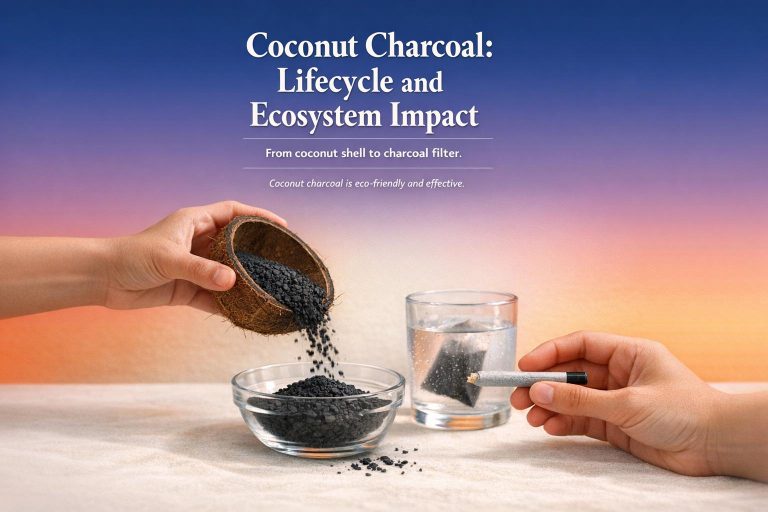
From discarded shells to activated carbon: lower-emission production, waste-to-resource benefits, and uses in water and smoking filtration.
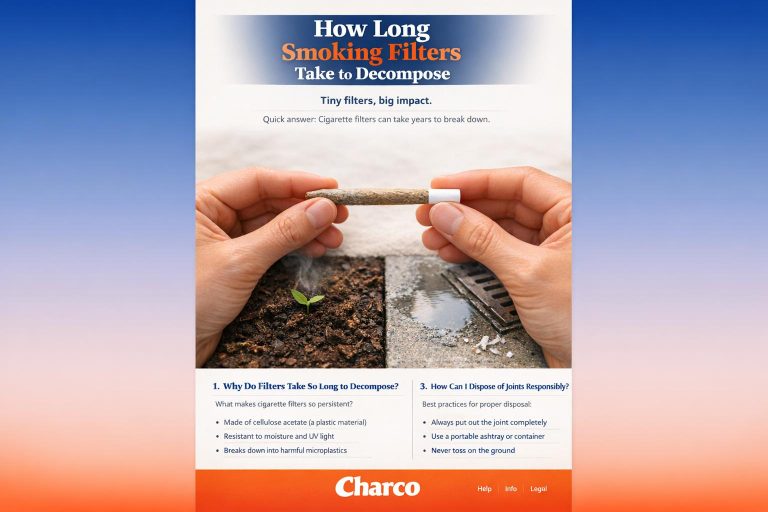
Cigarette filters can persist for years, fragment into microplastics, and only decompose fast in managed compost—material and disposal shape their harm.
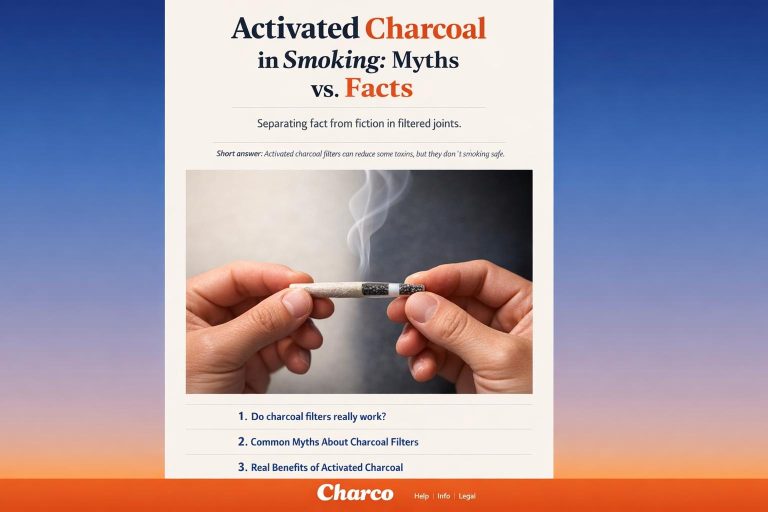
Activated charcoal filters trap many gas-phase toxins, reduce throat irritation and preserve THC/CBD, but they don’t remove gases like CO or eliminate smoking risks.

Charcoal-driven smoke rituals blend spiritual meaning with practical purification—from Indigenous ceremonies to modern activated charcoal filters.