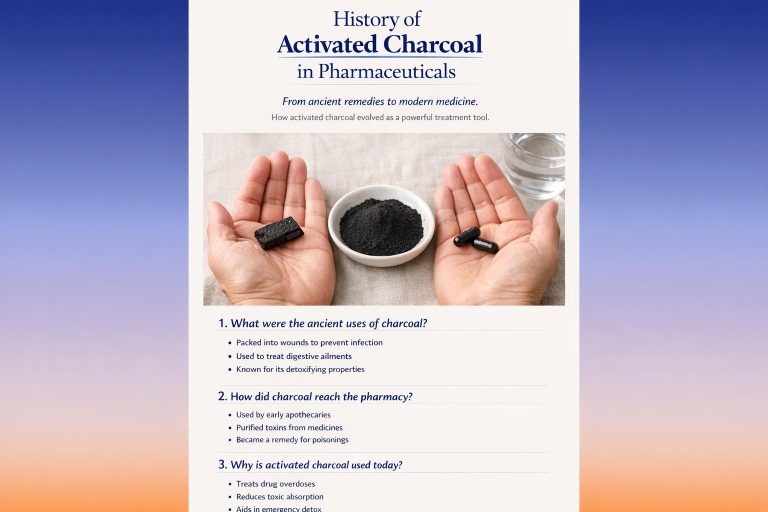
History of Activated Charcoal in Pharmaceuticals
A concise history of activated charcoal’s medical use, from ancient wound care to modern poison treatment, drug purification, and activation methods.


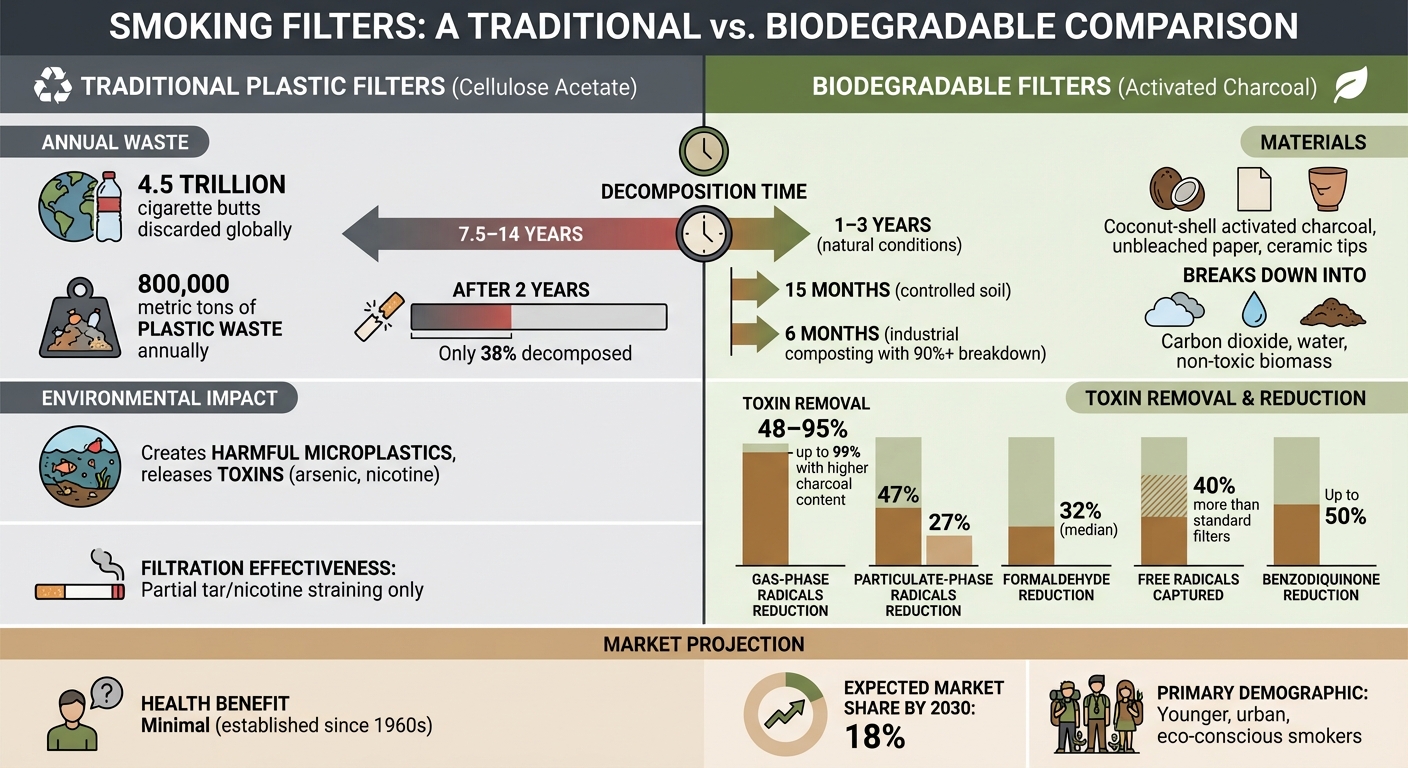
Cigarette butts are the most littered item globally, with 4.5 trillion discarded annually. Traditional filters, made from slow-degrading plastic, contribute significantly to pollution, releasing harmful toxins like arsenic and nicotine as they break down. Biodegradable smoking filters offer a cleaner solution by using materials like activated charcoal, unbleached paper, and ceramic tips. These filters decompose faster, reduce waste, and improve smoke filtration.
Switching to biodegradable filters supports a cleaner planet while improving the smoking experience. Always dispose of filters responsibly to maximize their benefits.
Traditional vs Biodegradable Smoking Filters: Environmental Impact and Performance Comparison
Biodegradable smoking filters are designed to break down naturally, using materials like unbleached paper, coconut-shell activated charcoal, and ceramic tips. Unlike traditional filters made from cellulose acetate – which can take between 7.5 and 14 years to decompose and leave behind stubborn microplastics – biodegradable versions fully decompose. In controlled soil conditions, some achieve complete breakdown within just 15 months. These components not only degrade quickly but also improve filtration performance.
For eco-conscious smokers, these filters deliver both functionality and environmental responsibility. Coconut-shell carbon, for example, is highly effective at removing harmful chemicals, reducing gas-phase radicals by 47% and particulate-phase radicals by 27%. This combination of efficiency and sustainability is fueling their growing popularity in the market.
"We expect biodegradable filters to have an 18 percent market share by the end of the decade".
Klaus Masuch, Head of Strategic Product Management at Hauni, attributes this surge to younger, urban smokers who increasingly see sustainability as a priority.
With around one million metric tons of used cigarette filters turning into waste annually, biodegradable options offer a meaningful way to cut down on pollution. These filters naturally break down through exposure to weather, microbial activity, and enzymatic processes, returning to the earth instead of lingering as harmful fragments. Up next, we’ll look at how these features translate into practical performance advantages.
Biodegradable smoking filters rely on three main materials to reduce toxins and break down naturally. Each material serves a specific purpose, combining effective filtration with environmental responsibility. Here’s a closer look at how these materials work.
Activated charcoal made from coconut shells is the star player in filtration. This charcoal is created by heating agricultural waste (coconut shells) to temperatures between 400°C and 600°C and treating it with steam. The result? A highly porous material with a surface area equivalent to a football field per gram.
These tiny pores capture toxins through adsorption, making the filters incredibly effective. For instance, filters containing 100 mg of charcoal can remove 48–95% of harmful chemicals, while those with 300 mg consistently filter out at least 90%. Coconut-based charcoal also has practical benefits: it produces less dust and burns cleaner than alternatives like wood or coal, thanks to its lower ash content.
"Naturally filters smoke to trap toxins and impurities for a smoother inhale." – Shop Charco
The outer casing of the filter is crafted from unbleached paper, avoiding the use of harsh bleaching agents. This choice ensures the filter remains biodegradable while staying durable during use. Unbleached paper not only supports quicker decomposition but also results in a cleaner burn, aligning with eco-friendly principles.
Ceramic tips add another layer of sustainability by replacing non-biodegradable components like traditional cardboard. These tips are designed to enhance airflow and cool the smoke before it reaches the user, delivering a smoother and more enjoyable experience. Engineered to fit the filter’s slim 6mm diameter, ceramic caps also help maintain flavor by reducing heat that can alter the smoke’s natural profile. This thoughtful addition balances functionality with environmental care.
Cigarette butts are one of the most common types of litter, making up nearly 38% of all litter collected globally. Traditional filters, typically made from cellulose acetate, are notorious for their persistence in the environment. Research shows that even after two years, only 38% of a traditional filter may decompose. On a larger scale, this adds up to an estimated 800,000 metric tons of plastic waste from cigarette filters entering ecosystems each year.
Biodegradable filters offer a cleaner alternative. Crafted from materials like pure cellulose or polylactic acid (PLA), these filters break down into carbon dioxide, water, and non-toxic biomass, avoiding the creation of microplastics. In natural settings, such as soil or oceans, these filters typically decompose within 1 to 3 years, while industrial composting can achieve over 90% biodegradation in just six months. For example, pure cellulose filters can break down in about 2.3 years in compost, compared to the much longer 7.5 years for plastic filters. This shift represents a meaningful reduction in waste.
"Unlike traditional plastic filters, these eco-friendly alternatives are designed to break down much faster in the environment… helping to reduce plastic pollution and the long-term litter problem." – Filtrona
Beyond decomposing faster, biodegradable filters also tackle the issue of microplastic pollution. Traditional cellulose acetate filters shed microfibers that pollute aquatic ecosystems, but PLA filters eliminate this problem entirely. This change is particularly important for protecting wildlife, as animals often mistake plastic litter for food.
The scale of cigarette butt pollution is staggering. A 2024 study examining 15 sandy beaches in East Java, Indonesia, found cigarette butt densities ranging from 0.08 to 3.32 items per square meter. In response to such alarming findings, cities like Santa Cruz, California, have taken action. In 2024, the city voted to ban cigarette filters outright to address the growing problem of cellulose acetate pollution.
However, for these biodegradable filters to deliver their full benefits, proper disposal is key. They decompose much faster in microbial-rich environments, like composting bins, compared to being left on the ground. That said, the tars and chemicals absorbed during use can slow the decomposition process, and residual toxins may still pose environmental risks. Effective waste collection systems are essential to ensure these filters break down as intended, rather than contributing to litter.
Biodegradable filters offer more than just environmental advantages – they also contribute to smoker health by reducing exposure to harmful toxins. Traditional cardboard tips, while providing structure, don’t filter smoke, and standard cellulose acetate filters only partially strain out tar and nicotine. In contrast, activated charcoal filters excel in trapping toxins.
Activated charcoal filters work through adsorption, where their tiny pores capture harmful substances like volatile organic compounds (VOCs), carbonyls, and low molecular weight aldehydes that slip past standard filters. Depending on the charcoal content, these filters can cut down harmful chemicals by an impressive range of 48% to 99%. Higher concentrations of activated charcoal lead to even better filtration.
These filters don’t just stop there – they also reduce harmful smoke components significantly. Studies show they can lower gas-phase radicals by up to 47% and particulate-phase radicals by about 27%. Formaldehyde exposure drops by a median of 32%, and a 2018 study revealed that activated charcoal filters capture 40% more free radicals compared to standard cellulose acetate filters. Additionally, exposure to benzodiquinone, a potent respiratory irritant, can be reduced by as much as 50%.
What makes biodegradable charcoal filters stand out is their ability to enhance filtration while preserving flavor. By removing harsh gases and bitter chemicals, they create a smoother, cooler draw with a cleaner taste. Importantly, they still allow active compounds like THC and CBD to pass through. Some filters even feature dual ceramic tips, which further cool the smoke and improve airflow for a more balanced smoking experience.
To keep these filters working at their best, replace them regularly. Storing unused filters in a dry, sealed environment also helps maintain their performance.
| Feature | Traditional Cardboard Tip | Standard Cellulose Acetate | Biodegradable Activated Carbon |
|---|---|---|---|
| Primary Material | Cardboard/Paper | Plastic-based Cellulose | Unbleached Paper / Coconut Shell |
| Filtration Mechanism | None (Structural only) | Mechanical Straining | Adsorption (Chemical Trapping) |
| Toxin Target | None | Tar and Nicotine | VOCs, Carbonyls, Radicals, Tar |
| Flavor Impact | Neutral | Can mute flavors | Retains flavor while removing harshness |
| Decomposition | Fast | Very Slow (Years) | Fast / Eco-friendly |
In the past, cardboard tips were the go-to for structure, but they didn’t do much for filtration. Charco changed the game by introducing a biodegradable filter that actively reduces toxins. These filters are made with a thoughtful combination of activated charcoal from coconut shells, unbleached paper, and dual ceramic tips, ensuring toxin reduction without compromising flavor. It’s a step forward in the push for more eco-conscious smoking solutions.
"For decades, smokers have been stuck with the same old cardboard tip. It doesn’t filter. It just sits there. That’s why we created Charco – a Filter that Filters."
- Charco
The design is simple yet effective. The ceramic tips help cool the smoke and regulate airflow, giving a smoother draw while keeping the taste of your herb intact. Plus, each filter naturally decomposes after use, making it a responsible choice for minimizing waste.
Charco offers two pack sizes to cater to different needs, both featuring the same high-quality, biodegradable materials. These options provide flexibility and value without sacrificing performance.
| Pack Size | Price | Best For | Key Features |
|---|---|---|---|
| Pack of 10 | $7.00 | Ideal for first-time users or light smokers | 6mm diameter, unbleached paper, coconut-shell charcoal, dual ceramic tips |
| Pack of 30 | $12.00 | Perfect for regular smokers or those seeking better value | Same premium materials, more filters at a lower cost per unit |
Both packs ensure a smoother inhale by filtering out toxins and impurities, offering a cleaner smoking experience with every use.
Using biodegradable filters is straightforward and follows the same process as standard filters. Simply position the filter at the edge of your rolling paper before rolling to create a snug seal. As Smoking Paper explains:
"All you have to do is place them at one end of your paper and roll".
For filters with dual ceramic tips, like those in Charco products, there’s an added bonus: you don’t need to worry about which way they’re inserted. The design ensures consistent performance regardless of orientation. The ceramic caps not only maintain steady airflow but also prevent the filter ends from collapsing, delivering a smooth draw and effective filtration every time. With a slim 6mm diameter, these filters are perfectly suited for slim-fit rolling papers and integrate effortlessly.
These filters work without any special preparation. The activated charcoal inside filters smoke through adsorption, where smoke molecules stick to the charcoal surface.
To keep them in good condition, store the filters in a dry place to protect the paper and maintain the charcoal’s effectiveness. Some filters can even be reused, helping to cut down on waste.
Myth #1: Biodegradable filters break down too quickly during use or storage.
This is a misconception. Biodegradable filters are specifically designed to stay intact during regular use and storage. They only start breaking down under certain conditions, like exposure to moisture, microbes, and soil. Interestingly, once smoked, the tars and nicotine that accumulate in the filter can actually slow the decomposition process because these substances are toxic to the microorganisms responsible for breaking down the materials.
Myth #2: Biodegradable filters underperform compared to traditional plastic filters.
This myth doesn’t hold up. Traditional cellulose acetate filters have been shown to offer little to no health benefits – a fact established as far back as the 1960s. Karen Evans-Reeves from the University of Bath highlights this point:
"The overwhelming majority of independent research shows that filters do not reduce the harms associated with smoking – a fact understood by tobacco industry scientists in the 1960s".
In contrast, biodegradable filters with activated charcoal are effective at trapping toxins and reducing harmful compounds, making them a better alternative.
Myth #3: Biodegradable filters compromise the flavor.
Modern biodegradable filters are crafted to enhance the smoking experience, not detract from it. Filters that incorporate activated charcoal are designed to trap toxins and impurities without altering the flavor profile. Additionally, ceramic tips in these filters help cool the smoke and maintain balanced airflow, delivering what many users describe as a "cleaner taste" compared to basic cardboard tips.
Myth #4: "Biodegradable" means you can dispose of them casually.
Even though these filters are biodegradable, they still trap harmful chemicals like heavy metals and arsenic from the smoke. Their decomposition time depends on environmental conditions, so tossing them carelessly into the environment is not a responsible choice. Always dispose of used filters in proper trash receptacles. These facts help clear up misconceptions and highlight the real advantages of biodegradable filters.
Biodegradable filters represent a meaningful shift in smoking habits. Traditional plastic filters contribute an estimated 1.69 billion pounds of toxic waste every year, lingering in the environment for decades and eventually breaking down into harmful microplastics.
The environmental advantage of biodegradable filters goes hand in hand with their improved health benefits. Made from materials like activated charcoal, unbleached paper, and ceramic tips, these filters trap toxins and cool the smoke, delivering a smoother, cleaner experience. Unlike simple cardboard tips that provide no filtration, biodegradable charcoal filters purify each puff without sacrificing flavor. Plus, they decompose within 1 to 3 years, breaking down into natural biomass instead of polluting the planet with long-lasting plastic waste.
When you consider these advancements in both filtration and sustainability, the choice becomes clear: biodegradable filters not only reduce exposure to harmful compounds but also significantly cut down on plastic pollution. Charco’s biodegradable filters perfectly capture this balance, offering a cleaner smoking experience with a smaller environmental impact. And with an affordable price point, making the switch is simple and effective. As Davis Jones from the Sierra Club points out:
"Cigarette butts are far and away the most littered item in the world, with roughly 4.5 trillion being tossed each year".
Every filter choice carries weight. By choosing biodegradable filters, you’re actively helping to reduce the 800,000 metric tonnes of plastic waste from cigarette filters that pollute the environment annually. Remember to dispose of them responsibly to minimize residual toxins.
Cleaner smoke, better taste, and a reduced impact on the planet – these are the benefits of making the switch.
Yes, you can compost biodegradable filters as long as they’re made from materials like activated charcoal, unbleached paper, or ceramic caps. These components are designed to decompose naturally, making them a good fit for composting.
Charcoal smoking filters typically need replacing every 3 to 6 months. The specific timing can vary based on factors such as how often you use the filter, its overall quality, and how well you take care of it. Swapping out the filter regularly helps maintain peak performance and ensures a smoother, cleaner smoking experience.
Biodegradable filters, such as Charco’s activated charcoal filters, are crafted to eliminate toxins and impurities from smoke while keeping THC and CBD levels intact. They ensure a cleaner, smoother smoking experience without compromising the active compounds found in legal smoking herbs.
A concise history of activated charcoal’s medical use, from ancient wound care to modern poison treatment, drug purification, and activation methods.
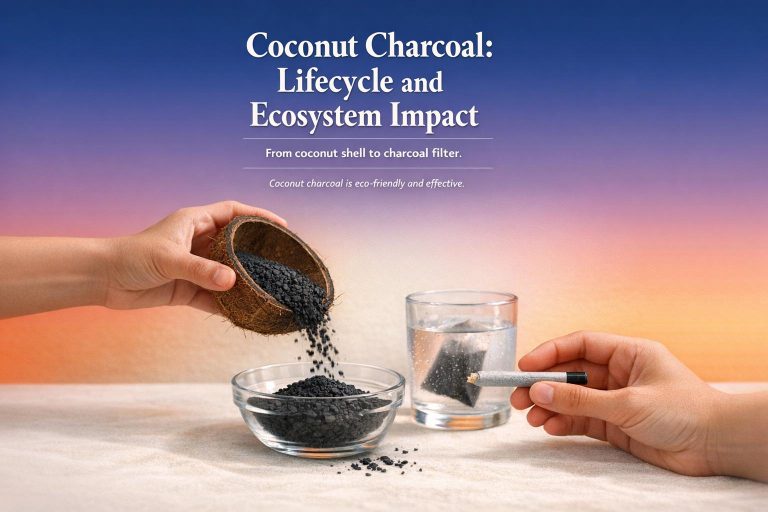
From discarded shells to activated carbon: lower-emission production, waste-to-resource benefits, and uses in water and smoking filtration.
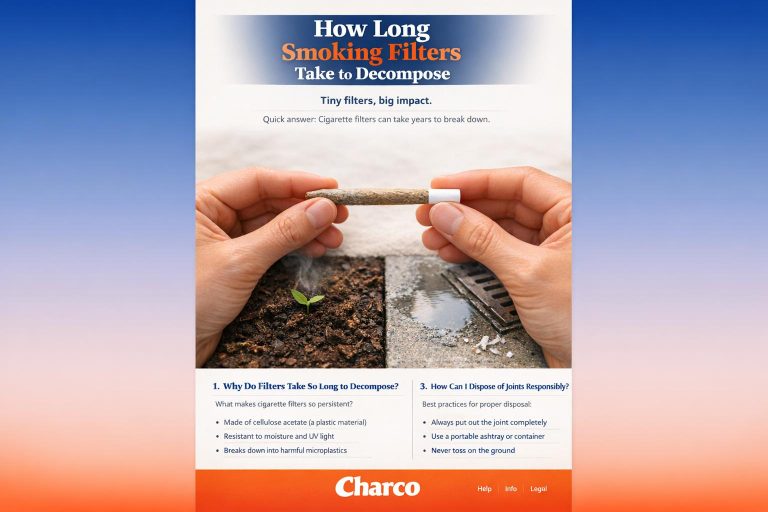
Cigarette filters can persist for years, fragment into microplastics, and only decompose fast in managed compost—material and disposal shape their harm.
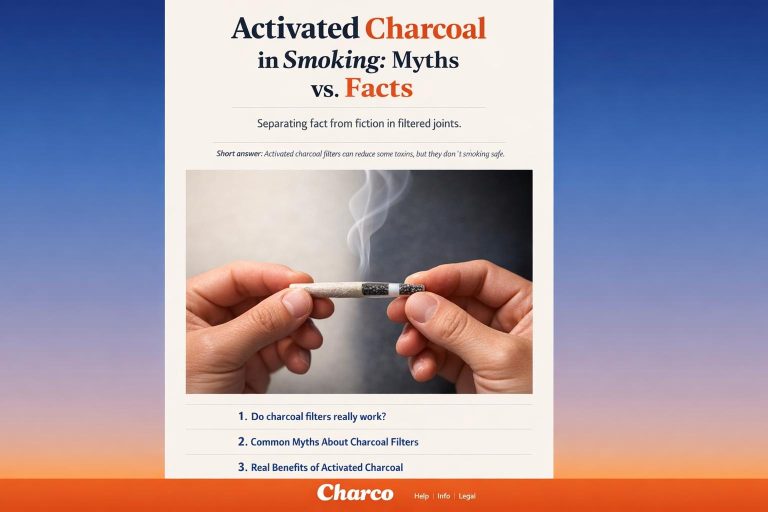
Activated charcoal filters trap many gas-phase toxins, reduce throat irritation and preserve THC/CBD, but they don’t remove gases like CO or eliminate smoking risks.

Charcoal-driven smoke rituals blend spiritual meaning with practical purification—from Indigenous ceremonies to modern activated charcoal filters.
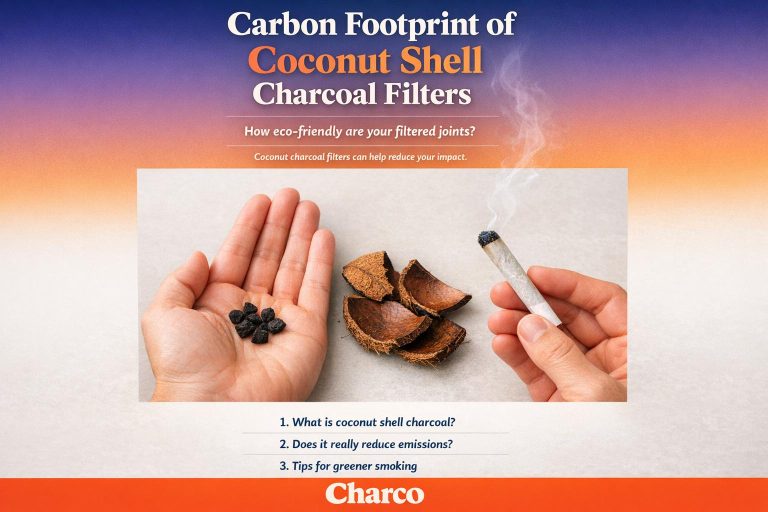
Coconut shell charcoal filters cut lifecycle emissions versus coal, but pyrolysis and pit charring remain the largest sources of carbon impact.