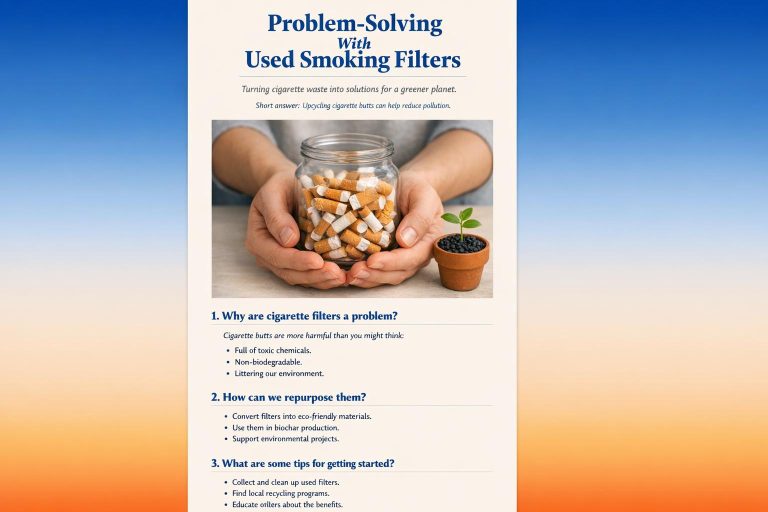
Problem-Solving With Used Smoking Filters
How discarded cigarette filters harm ecosystems and practical solutions—from collection and pyrolysis to recycling programs and biodegradable filter alternatives.

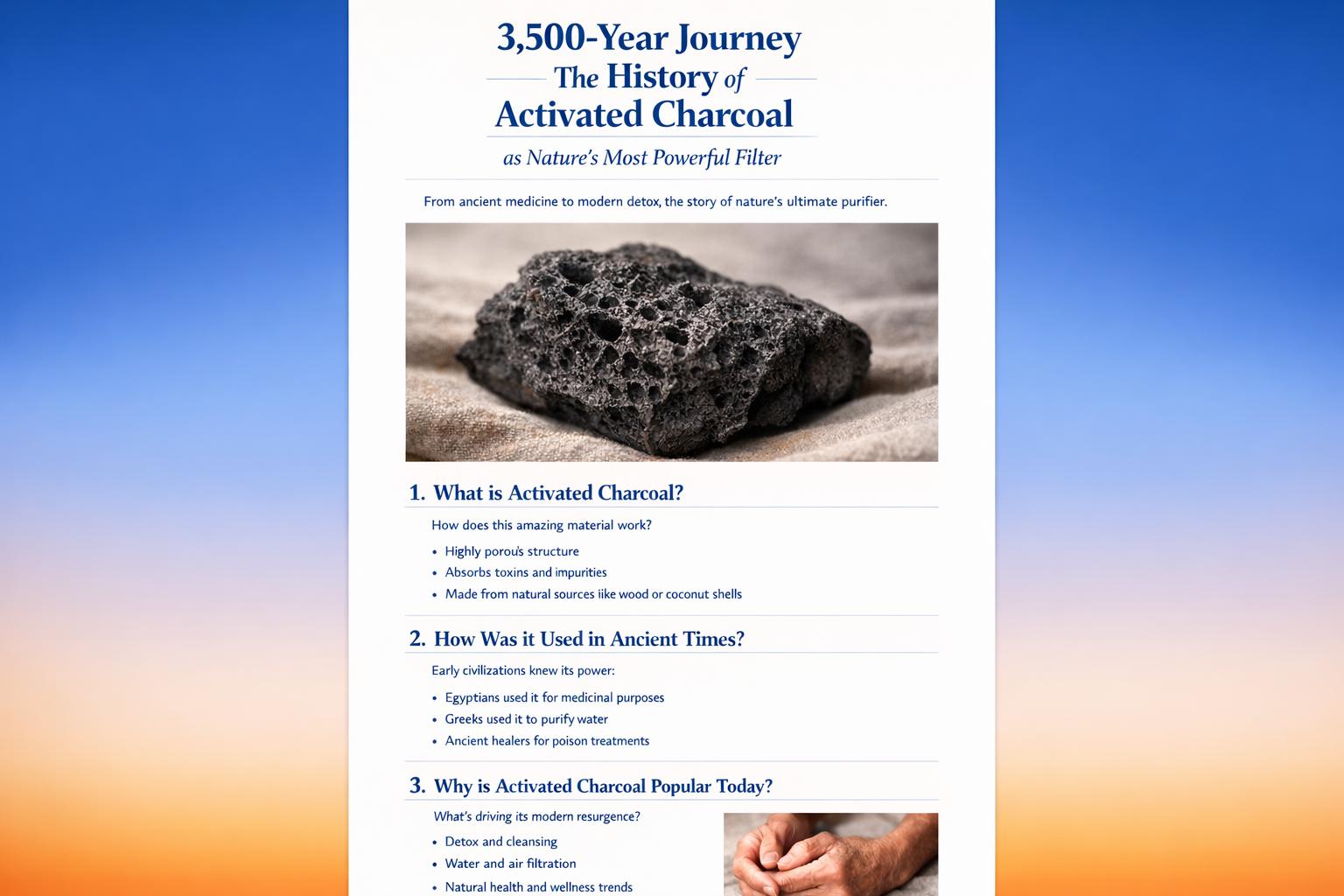
Activated charcoal has been used for over 3,500 years to purify water, treat poisonings, and remove impurities from air and liquids. Ancient Egyptians, Mesopotamians, and other early civilizations recognized its unique properties for preservation and healing. Today, it is still widely applied in industries like healthcare, water and air purification, and even smoking filters. Its effectiveness lies in its porous structure, which traps toxins and pollutants through adsorption.
Activated charcoal’s ancient roots and modern uses demonstrate its enduring role as a natural filter for health and industrial needs.
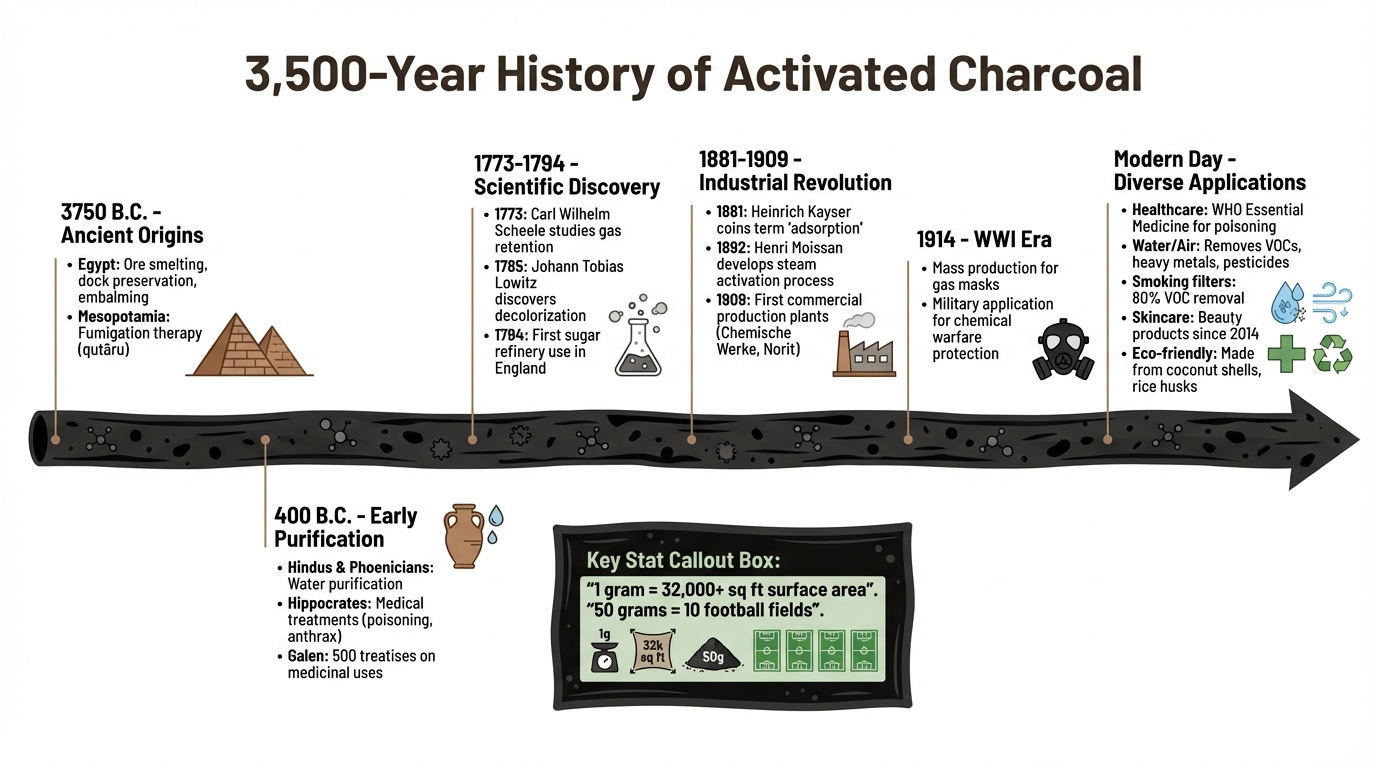
3,500-Year History of Activated Charcoal: From Ancient Egypt to Modern Applications
Long before modern science confirmed its usefulness, ancient societies were already tapping into the many applications of charcoal. From preservation to healing and protection, these early civilizations discovered its potential through observation and necessity.
The Egyptians were among the first to recognize charcoal’s unique properties. They used it in smelting ores for bronze production, as it burned at higher temperatures than regular wood. But its benefits didn’t stop there. They noticed something remarkable: charred wooden posts placed in the Nile to build docks resisted decay.
"The Egyptians eventually discovered that charcoal had antibacterial properties when they realized that charred wooden posts didn’t rot when placed into the Nile for the purpose of building docks." – Rajah Filter Technics
This discovery led to its use in embalming practices. Charcoal proved effective in removing oxygen and moisture, key factors in preserving mummies for the afterlife. Meanwhile, other ancient cultures were also exploring its potential, each in their own way.
In Mesopotamia, charcoal played a central role in qutāru, a fumigation therapy. Healers would burn charcoal alongside medicinal plants like taramuš lupine and imhur-līm to treat ailments such as epilepsy, fevers, and even emotional distress like "heartbreak". These rituals often included chanting and animal sacrifices, blending spiritual and medicinal practices.
By 400 B.C., Hindus and Phoenicians had discovered charcoal’s antiseptic qualities, using it to purify drinking water. Phoenician sailors even charred the insides of wooden water barrels to keep their water supplies fresh during long sea voyages – a technique that remained in use for centuries. Meanwhile, Hippocrates, the famed Greek physician, utilized charcoal to address food poisoning, dizziness, anthrax, and iron deficiencies. Roman physician Claudius Galen later expanded on its medicinal applications, writing nearly 500 treatises on its benefits.
These early discoveries, made without the tools of modern science, laid the groundwork for charcoal’s lasting reputation as a natural purifier and healer.
The 18th century marked a turning point in how people understood and utilized charcoal. Moving beyond ancient observational practices, scientists began to unravel the mechanics behind charcoal’s effectiveness. This deeper understanding transformed charcoal from a simple remedy into a scientifically-backed material with immense industrial potential, setting the stage for groundbreaking advancements in its production and use.
In 1773, Swedish chemist Carl Wilhelm Scheele conducted systematic experiments to measure charcoal’s ability to retain gases. A few years later, in 1785, Johann Tobias Lowitz discovered that charcoal could remove colors, tastes, and odors from liquids. This revelation opened up new industrial possibilities.
The sugar industry was quick to capitalize on this breakthrough. By 1794, an English sugar refinery began using charcoal to decolorize raw sugar, producing the bright white sugar that consumers preferred. The results were so effective that by 1805, the practice had spread to refineries across Europe. This single innovation spurred significant investment in charcoal research throughout the 19th century.
As scientists delved deeper, their understanding of charcoal’s properties grew. In 1881, physicist Heinrich Kayser introduced the term "adsorption" to explain how gases and liquids adhere to the surface of charcoal’s pores instead of being absorbed into its interior. A decade later, in 1892, Henri Moissan developed the steam activation process, which involved heating charcoal with steam to create an ultra-porous structure. This method remains the backbone of activated charcoal production to this day.
The 19th century witnessed the industrialization of charcoal production, driven by these scientific discoveries. Traditional methods, like stacking wood and covering it with turf, were inefficient and inconsistent. The introduction of cast iron retorts revolutionized the process, increasing yields to 35%–40% while enabling the capture of byproducts such as wood tar and wood spirit.
These advancements transformed both production techniques and commercial applications. By the early 20th century, dedicated manufacturing plants began to emerge to meet rising demand. In 1909, Chemische Werke established the first industrial-scale facility for producing commercial carbon, followed shortly by the Norit Company. These plants supplied activated charcoal to industries like sugar refining, chemical processing, and water treatment, where it became essential for purification.
The outbreak of World War I in 1914 added a new and urgent use for activated charcoal: protection against chemical warfare. The mass production of granular activated carbon for gas masks became a military necessity, significantly boosting manufacturing capacity. What began as a tool for refining sugar had evolved into a life-saving material, laying the groundwork for many modern filtration technologies.
Activated charcoal has come a long way from its ancient roots, finding its place in a variety of modern applications. Thanks to its incredible adsorption abilities, it’s now used to filter smoke emissions, purify water and air, and assist in emergency medical treatments. Let’s dive into how it works in these areas.
Charcoal filters work by trapping contaminants through adsorption, making them highly effective at capturing volatile organic compounds (VOCs), chemicals, and gases that ordinary filters can’t handle. Here’s a mind-blowing fact: just 50 grams of activated charcoal have a surface area equal to about 10 football fields. This is due to the microscopic pores created during the activation process. In fact, 85% to 90% of activated carbon made from coconut shells consists of micropores, which are perfect for capturing tiny contaminant molecules.
As the Centers for Disease Control (CDC) notes, "Activated carbon is excellent for most organic chemicals".
Activated carbon filters are capable of removing up to 80% of volatile organic compounds (VOCs).
These filters are particularly effective against harmful substances found in smoke, such as polyaromatic hydrocarbons, carbon monoxide, and nitrogen oxides. These contaminants can only be removed through molecular gas-phase filtration. While trapping toxins and odors, the activated carbon still lets smoke pass through, preserving its flavor.
Activated charcoal is also a powerhouse in water and air purification systems. It removes chlorine, herbicides, pesticides, heavy metals, and chloramines from water, helping to reduce the formation of harmful byproducts. To give you an idea of its efficiency, a single pound of activated carbon boasts a surface area of over 6 million square feet. This is why it’s a key player in industrial water treatment plants, where it’s used to remove organic micropollutants like pharmaceutical residues before treated water is discharged.
Air purification systems also rely on activated charcoal to eliminate VOCs such as formaldehyde, benzene, and toluene – chemicals linked to cancer, respiratory issues, and nervous system problems. Indoor air often contains VOC levels two to five times higher than outdoor air, and in some cases, up to 100 times higher.
Sustainability is another advantage of modern activated charcoal production. Manufacturers are increasingly using upcycled materials like coconut husks, olive stones, and rice husks to make activated carbon, reducing landfill waste in the process. Beyond homes and offices, industrial applications include using activated charcoal to scrub mercury emissions from coal plants and incinerators, preventing heavy metals from polluting the atmosphere.
In medicine and skincare, activated charcoal’s toxin-binding capabilities remain invaluable. It’s the go-to treatment for poisoning and drug overdoses, as it can quickly adsorb harmful substances in the digestive system. The World Health Organization even lists it as an essential medicine for treating poisoning. For best results, it should be administered within the first hour of ingestion. The FDA also categorizes it as "safe and effective" for acute toxic poisoning.
Activated charcoal’s effectiveness comes from its immense surface area – just one gram can have between 500 and 1,500 square meters of adsorptive space. However, it doesn’t work on substances like alcohol, cyanide, lithium, iron, or corrosive chemicals like lye.
Since 2014, activated charcoal has become a trendy ingredient in beauty and wellness products. It’s found in facial cleansers, pore strips, and masks, where it’s believed to pull dirt, oils, and toxins from pores. The trend has even extended to charcoal-infused toothpastes, deodorants, and even food. That said, while its medical uses are well-documented, claims about its effectiveness for acne, anti-aging, and teeth whitening often lack strong clinical evidence.
In modern medicine, specialized charcoal dressings are used to neutralize odors from infected wounds and manage skin graft infections. When taken as a supplement for gas or bloating, it’s crucial to drink plenty of water to avoid constipation. Additionally, because activated charcoal can interfere with the absorption of prescription medications, it should be taken at least 90 minutes to 2 hours apart from other medications.

For over 3,500 years, activated charcoal has been used for purification, and now it’s making waves in the world of smoking accessories. Charco Filters take this ancient filtration method and give it a modern, eco-conscious twist. By blending time-tested techniques with today’s focus on sustainability, they offer a cleaner smoking experience that aligns with environmental values.
At the heart of Charco Filters is activated charcoal – derived from coconut-shells, a powerful filtration material. Coconut shells are ideal because they create micropores – tiny openings less than 2 nanometers wide – that trap harmful gas-phase pollutants effectively. The activation process boosts the charcoal’s surface area to an impressive 400 m² per gram, giving it the capacity to capture toxins through a process called adsorption. This involves pollutants clinging to the charcoal’s internal surface. It is important to note that the high temprature activation process eliminates all proteins, oils, sugars, and allergens, leaving pure, porous carbon.
Each filter is built with three key components: coconut-shell charcoal for toxin removal, unbleached paper for the casing, and dual ceramic tips for added durability. The 6mm diameter ensures compatibility with standard smoking accessories.
The main draw of Charco Filters is their ability to significantly reduce exposure to harmful substances. They’re designed to trap volatile organic compounds (VOCs), tar, and free radicals produced during combustion . Despite their filtration power, they preserve the natural flavor of the smoke, striking a balance between safety and enjoyment. Plus, by using unbleached paper and ceramic materials, the filters minimize environmental harm by avoiding harsh chemicals and reducing reliance on single-use plastics.
Sustainability is a core principle of Charco Filters. The activated charcoal is made from coconut shells, a rapidly renewable resource that’s more environmentally friendly than using fossil fuels or wood. This approach also puts agricultural byproducts to good use, repurposing waste that would otherwise be discarded. Compared to traditional wood or coal-based methods, processing coconut shells into activated carbon generates less dust and fewer fine particles.
The filters are not only biodegradable but also vegan-friendly, thanks to their unbleached paper casing that naturally decomposes over time. Available in packs of 10 for $7 or 30 for $12, Charco Filters provide an affordable way to reduce toxin exposure while supporting sustainable practices in manufacturing.
Activated charcoal has come a long way since its origins in ancient ore smelting around 3,750 B.C., evolving into a powerful tool for modern filtration needs. Its standout feature lies in its adsorption capabilities, where molecules adhere to its massive internal surface area. To put this into perspective, just one gram of high-quality activated charcoal can provide over 3,000 square meters of surface area. This extraordinary property explains why it has remained a go-to solution across generations and technologies.
The FDA has classified activated charcoal as a Category 1 treatment – "safe and effective" – for acute toxic poisoning, and the World Health Organization lists it as one of its Essential Medicines. Beyond healthcare, it plays a critical role in municipal water purification, costing as little as $0.05 to $0.10 per cubic meter, and is also utilized in personal smoking filters. Its efficiency and adaptability make it invaluable for applications ranging from large-scale industrial systems to personal use. Modern advancements have even turned agricultural waste into activated charcoal, cutting down on carbon emissions in the process.
Charco Filters exemplify this evolution by offering eco-friendly products tailored for health-conscious smokers. With prices set at $7 for a pack of 10 filters or $12 for 30 filters, Charco Filters make the time-tested benefits of activated charcoal accessible while embracing sustainable manufacturing practices.
The story of activated charcoal is far from over. Researchers are now exploring its potential for storing low-pressure natural gas and hydrogen in vehicles, opening up exciting possibilities for cleaner energy solutions. Meanwhile, innovative reactivation methods like microwave-assisted regeneration and bio-regeneration using fungi or bacteria are emerging as greener alternatives to traditional thermal processes. These advancements could significantly reduce the environmental impact of activated charcoal production and use.
Industries are also focusing on recovering volatile organic compounds (VOCs) to tackle global challenges like sustainability and greenhouse gas emissions. As production increasingly shifts toward renewable feedstocks – such as olive stones and rice husks – the cycle of improvement continues.
Pliny the Elder’s words from nearly 2,000 years ago still resonate today:
"It is only when ignited and quenched that charcoal itself acquires its characteristic powers, and only when it seems to have perished that it becomes endowed with greater virtue".
This ancient insight continues to inspire modern approaches to addressing environmental and health challenges, proving that some solutions truly stand the test of time.
Activated charcoal works by adsorption, a process where impurities stick to its surface rather than being absorbed into its structure. Thanks to its incredibly porous composition, it boasts a massive surface area that can trap contaminants and toxins within its microscopic pores. This happens because of natural forces that draw these substances to the charcoal’s surface and hold them there.
This property makes activated charcoal an excellent choice for purifying water, cleaning air, and filtering specific chemicals. It’s a natural and environmentally friendly way to tackle impurities effectively.
Modern production of activated charcoal has shifted towards eco-friendly practices, emphasizing the use of renewable materials like coconut shells, agricultural byproducts, and hardwood chips. These materials not only break down naturally but also transform waste into a valuable filtration resource. The choice of raw material plays a key role in determining the pore structure – coconut shells, for instance, are excellent for creating fine micropores, while wood-based materials yield larger pores.
To reduce environmental impact, many producers rely on physical activation methods such as steam or carbon dioxide, avoiding the use of harsh chemicals. When chemical activation is required, safer alternatives like food-grade phosphoric acid are often chosen, with efforts made to recycle these agents. This thoughtful approach ensures that activated charcoal retains its high surface area and filtration efficiency while keeping its environmental impact to a minimum.
Activated charcoal is widely regarded as safe and effective in medical settings due to its highly porous structure, which enables it to bind toxins and block their absorption in the gastrointestinal tract. This unique characteristic makes it a dependable option for treating poisonings and overdoses when administered under proper medical supervision.
Its established role in emergency medicine underscores its dependability, as it generally produces minimal side effects when used correctly. Thanks to this natural filtration ability, activated charcoal remains an important tool in various health-focused applications today.
How discarded cigarette filters harm ecosystems and practical solutions—from collection and pyrolysis to recycling programs and biodegradable filter alternatives.
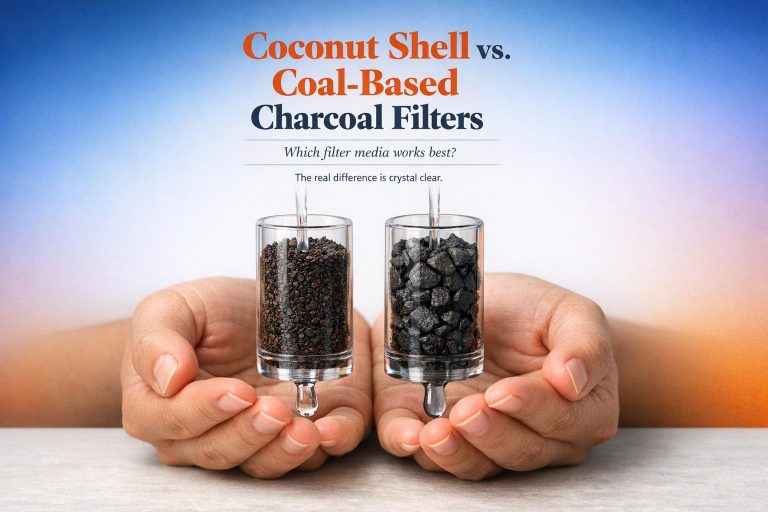
Coconut shell charcoal filters outperform coal-based ones in filtration, durability, and environmental impact.
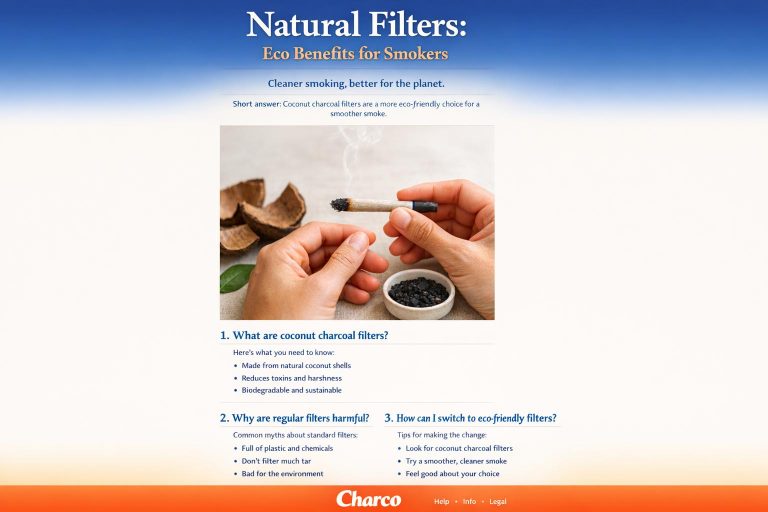
Natural coconut-shell charcoal filters reduce smoke toxins and biodegrade, offering smokers a simple way to lower microplastic pollution.
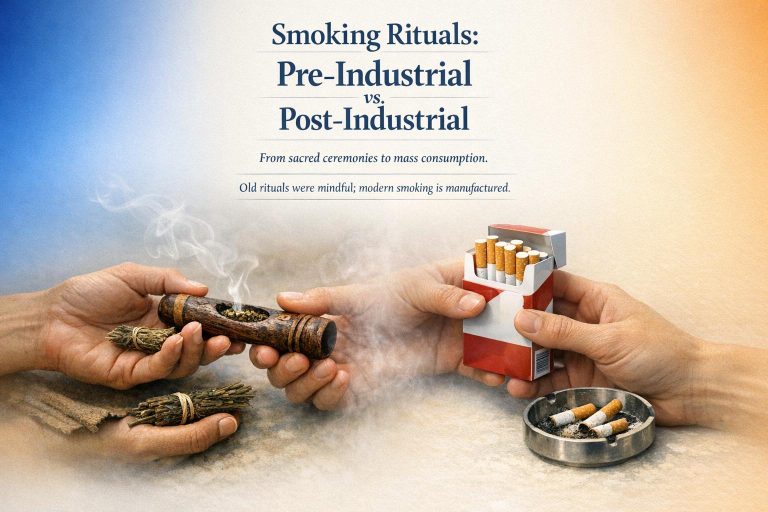
A concise history of how smoking moved from spiritual, communal rituals to mass-produced consumption – and the cultural, health, and environmental costs.
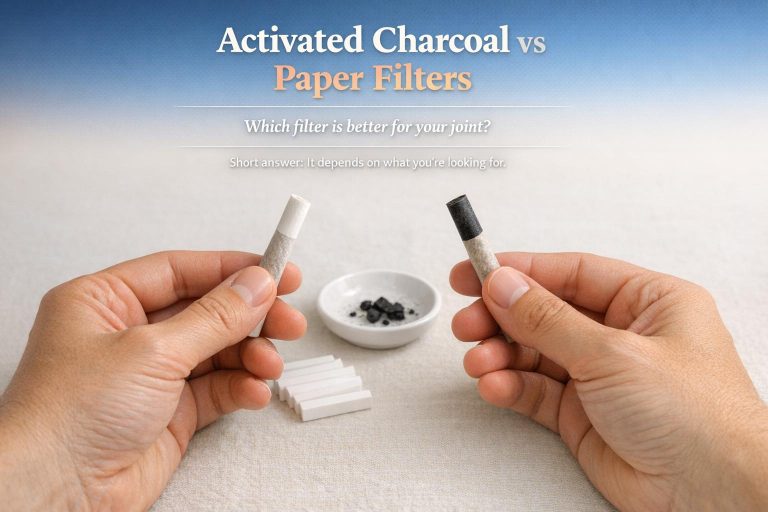
Compare charcoal and paper filters: charcoal cuts gas-phase toxins and smooths hits; paper preserves full flavor, is cheaper and more biodegradable.
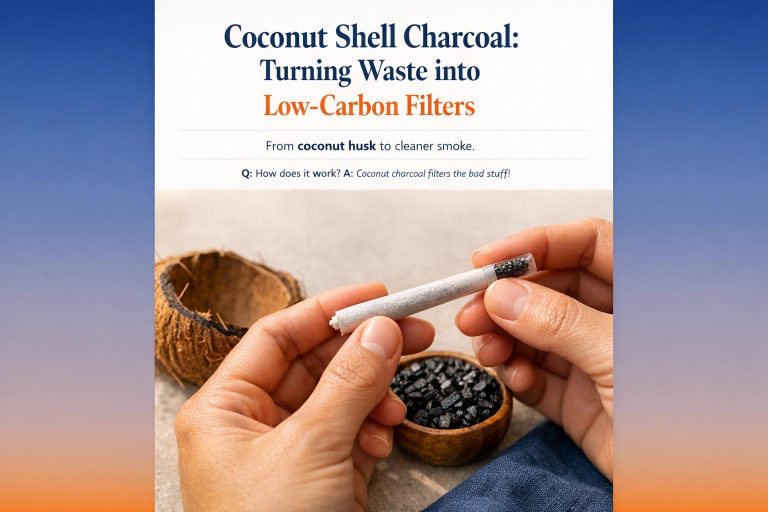
Coconut shell charcoal converts agricultural waste into low‑carbon, microporous activated carbon for cleaner smoking filters and lower emissions.