
Problem-Solving With Used Smoking Filters
How discarded cigarette filters harm ecosystems and practical solutions—from collection and pyrolysis to recycling programs and biodegradable filter alternatives.

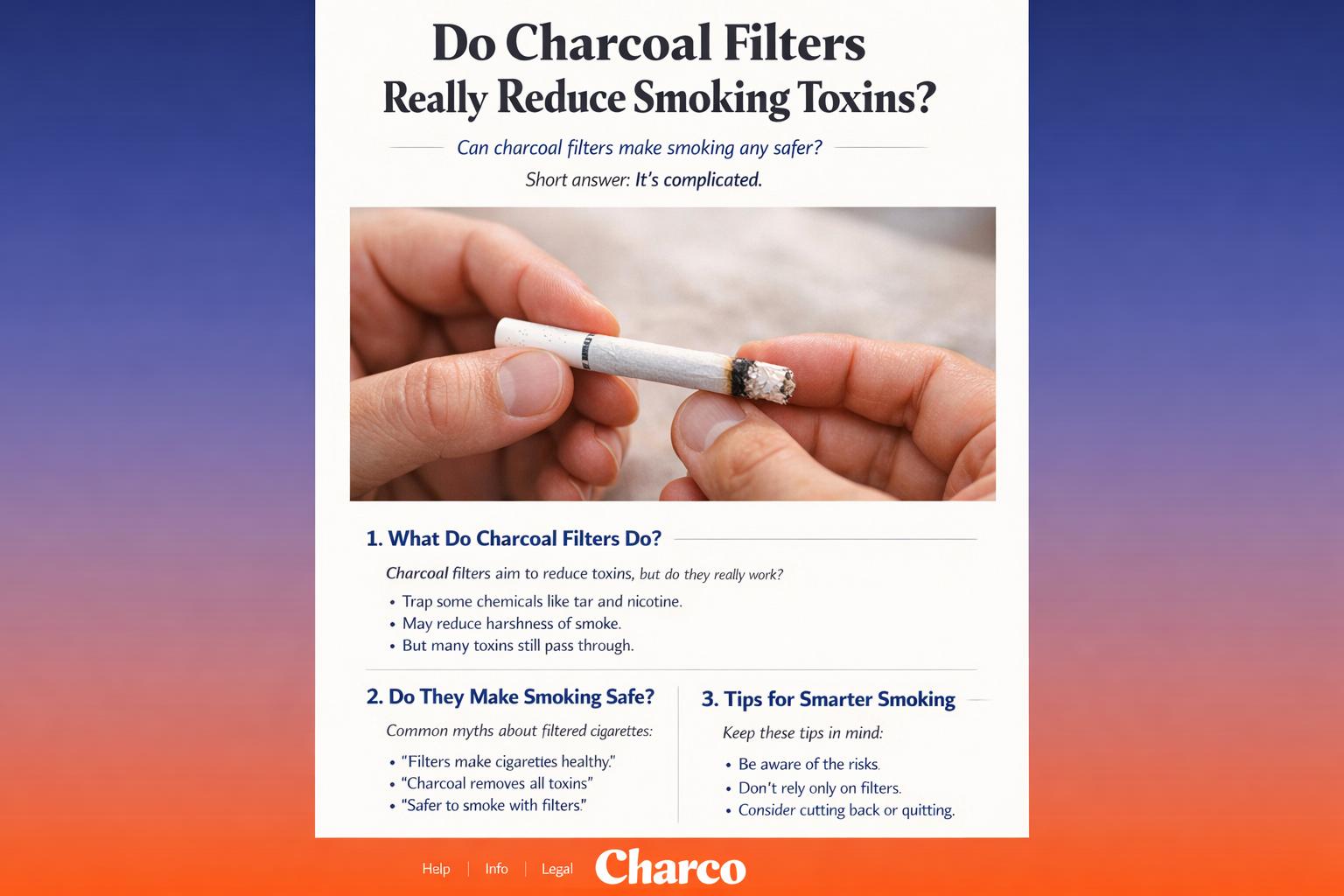
Yes, charcoal filters can reduce certain toxins in cigarette smoke, but they have limitations. Here’s the quick breakdown:
If you’re a smoker considering these filters, they may lower exposure to some harmful chemicals, but they don’t make cigarettes safe. Their design, charcoal quantity, and material quality significantly affect performance.
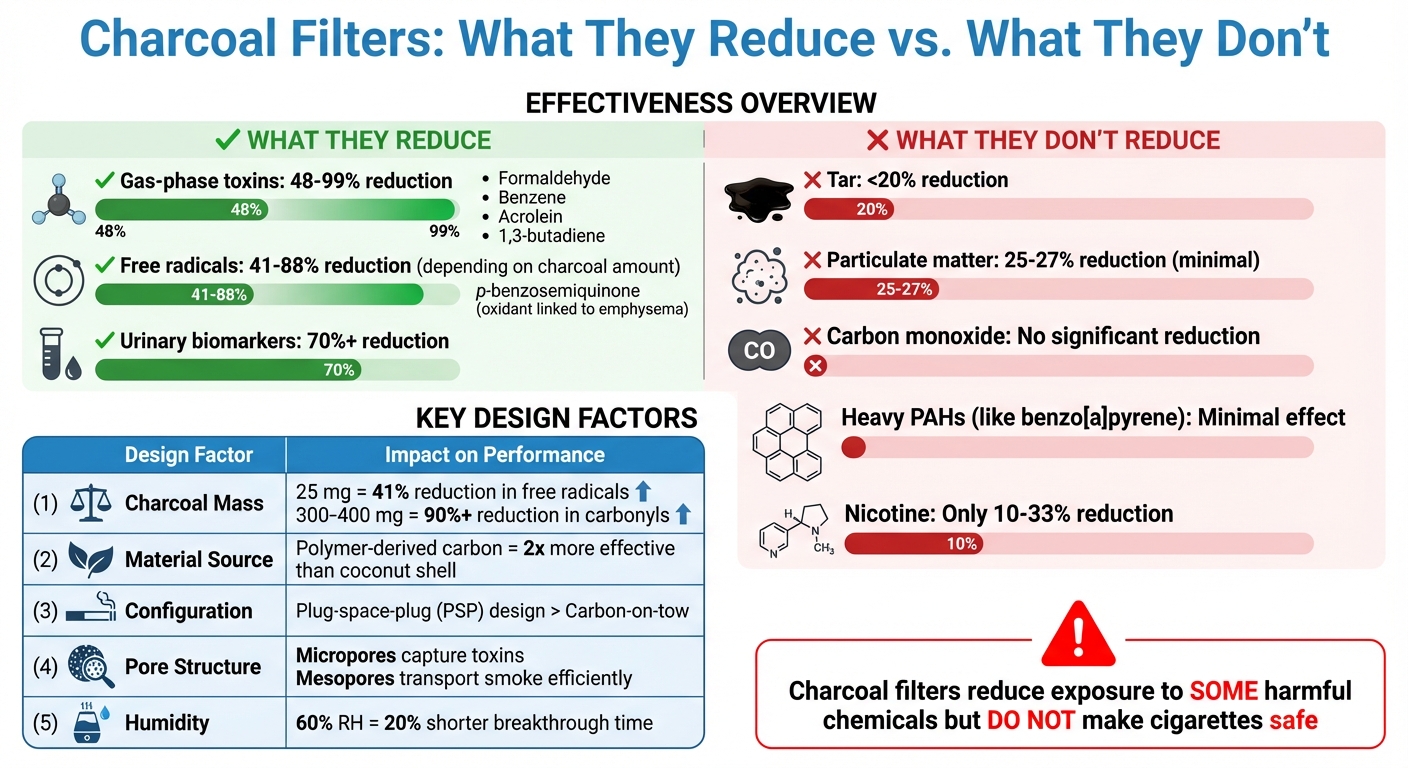
Charcoal Filter Effectiveness: What They Reduce vs. What They Don’t
Charcoal filters eliminate toxins through intricate chemical and physical processes at the microscopic level. Let’s dive into how their structure and design play a role in this filtration magic.
The secret behind activated charcoal’s efficiency lies in its porous structure. During activation, charcoal develops a network of tiny pores, creating a massive internal surface area – one gram of activated charcoal can boast a surface area roughly equivalent to a quarter of a football field.
These pores come in two main types: micropores and mesopores. Micropores are responsible for capturing gas-phase molecules through adsorption, while mesopores act as pathways, guiding smoke deeper into the charcoal’s structure.
"The pore size, distribution and volume of activated carbon are extremely important for maximizing adsorption of vapours formed during cigarette smoking. Increasing micropore volume leads to an increase in the removal efficiency."
– An-Hui Lu and Ferdi Schüth
The efficiency of this process depends on the vapor pressure of each toxin. Chemicals with lower vapor pressure are more likely to condense and stick to the charcoal’s surfaces, making them easier to trap. This explains why charcoal filters are particularly effective at removing gas-phase toxins like formaldehyde and acrolein – compounds that are well-suited for adsorption.
Despite their effectiveness, charcoal filters aren’t a universal solution. They struggle to filter out particulate-phase toxins such as tar and heavy polycyclic aromatic hydrocarbons (PAHs) like benzo[a]pyrene. These bulky molecules and droplets are simply too large to fit into the micropores, allowing them to pass through the filter unimpeded. Similarly, charcoal fails to significantly reduce carbon monoxide, as this gas-phase toxin doesn’t readily adhere to charcoal surfaces.
"Less volatile compounds, with a significant portion in the particulate phase, are less available for selective filtration by charcoal-containing filters than the more volatile compounds that reside predominantly in the gas phase."
– Bryan A. Hearn et al., Centers for Disease Control and Prevention
Another limitation is pore saturation. Over time, the pores fill up, reducing the filter’s ability to trap additional toxins. This "breakthrough" happens faster during heavy smoking or in high-humidity conditions, where moisture can interfere with adsorption.
These challenges highlight the importance of filter design in optimizing performance.
The effectiveness of a charcoal filter hinges on three main factors: charcoal quantity, placement configuration, and material type.
| Design Factor | Impact on Performance |
|---|---|
| Charcoal Mass | Higher loads (300–400 mg) reduce carbonyls by 90%+; even 25 mg cuts free radicals by 41% |
| Pore Structure | Micropores capture toxins; mesopores transport smoke efficiently at high flow rates |
| Material Source | Polymer-derived carbon is nearly twice as effective as coconut shell charcoal |
| Humidity | High moisture (60% RH) can shorten breakthrough times by 20% |
| Configuration | Plug-space-plug design typically outperforms carbon-on-tow |
Now that we’ve covered how charcoal filters work, let’s dive into what the science says about their effectiveness. Research shows that while charcoal filters are excellent at removing certain toxins, their impact on others is limited.
Studies consistently demonstrate that charcoal filters are highly effective at reducing gas-phase toxins and free radicals. For example, a July 2018 study at Pennsylvania State University tested 1R6F research cigarettes with varying amounts of activated charcoal (from 25 mg to 300 mg). Results showed a 41% reduction in gas-phase radicals with just 25 mg of charcoal, and an impressive 88% reduction with 300 mg.
Commercial brands using charcoal filters report similar outcomes. Compared to standard cellulose acetate filters, charcoal-filtered cigarettes produce 41% to 47% fewer gas-phase radicals.
"Activated carbon shows very high removing activity for all of the gas phase components measured except carbon dioxide and ethane."
– Xue et al.
Real-world benefits have also been observed. A clinical study involving 160 smokers found that switching to prototype cigarettes with highly activated carbon filters led to over a 70% reduction in urinary biomarkers for toxins like benzene, acrolein, and 1,3-butadiene over 24 weeks. These reductions were comparable to those seen in participants who quit smoking entirely.
Charcoal filters work best on volatile organic compounds (VOCs) with lower vapor pressures, such as formaldehyde, hydrogen cyanide, and aldehydes. They’re also effective at reducing p-benzosemiquinone, a key oxidant linked to emphysema. However, they don’t significantly reduce carbon monoxide, carbon dioxide, or ethane.
While charcoal filters excel at removing gas-phase toxins and free radicals, they’re much less effective when it comes to particulate matter.
When it comes to particulate-phase toxins like tar and heavy polycyclic aromatic hydrocarbons (PAHs) such as benzo[a]pyrene, charcoal filters fall short. These bulky molecules largely bypass the filter’s micropores, which are designed to trap smaller gas-phase molecules.
"Less volatile compounds, with a significant portion in the particulate phase, are less available for selective filtration by charcoal-containing filters than the more volatile compounds that reside predominantly in the gas phase."
– Hearn et al.
Even with high charcoal loads, reductions in particulate-phase radicals are minimal – around 25% to 27% – and these changes are often statistically insignificant. This limitation is inherent to how charcoal filtration works: it’s highly effective for gas-phase molecules but not for larger particulate matter.
In contrast, while charcoal filters have a modest effect on nicotine levels, their impact on smoking behavior is worth noting.
Charcoal filters reduce nicotine delivery to a much smaller extent than they reduce gas-phase toxins. At maximum charcoal loads (300 mg), nicotine delivery drops by 33%. For standard commercial filters with lower charcoal amounts, reductions range from 6% to 18%.
"In all studies, charcoal had less of an effect on nicotine delivery, which was decreased 33% at the maximal amount of charcoal tested (300 mg)."
– Reema Goel, Department of Public Health Sciences, Pennsylvania State University
Long-term studies back this up. Over both 8-day and 24-week periods, gas-phase biomarkers dropped by over 70%, while nicotine and its metabolites showed only minor changes. Interestingly, smokers didn’t appear to compensate by taking larger or more frequent puffs, as the reductions in gas-phase toxins remained consistent over time.
Charcoal filters also influence the sensory experience of smoking. By altering the taste and feel of smoke, they can affect smoker satisfaction. This has historically limited their popularity in the U.S. market. Additionally, under intense smoking conditions – like larger or more frequent puffs – filters with low charcoal content (45 mg or less) can lose effectiveness due to pore saturation.
Understanding these differences in how charcoal filters handle various toxins can help smokers make more informed choices about their use.
Charcoal filters, as discussed earlier, have the potential to lower exposure to harmful toxins, which could contribute to measurable health benefits.
By filtering out gas-phase toxins, these filters may help reduce respiratory irritation and oxidative stress. Research indicates they can decrease free radicals by 40% to 88% while boosting levels of glutathione (GSH), an antioxidant crucial for protecting cells.
That said, it’s important to note that no definitive evidence exists showing that charcoal-filtered cigarettes significantly lower the overall risk of diseases when compared to traditional filters .
"Overall, these results support the potential consideration of charcoal in cigarette filters as a means to reduce exposure to toxic free radicals from cigarettes and other combustible tobacco products." – Reema Goel et al., Pennsylvania State University
While the health benefits remain partially speculative, the composition of these filters also has implications for the environment.
Charcoal filters made with sustainable materials offer a way to reduce their environmental footprint. Activated charcoal sourced from renewable materials like coconut shells, paired with unbleached cellulosic paper, provides effective filtration with fewer chemicals.
Innovations in this area include exploring plant-based fibers, such as peanut shells and rice husks, as well as recycling used filters into new adsorbents. These efforts align with the principles of a circular economy.
For example, ceramic-tip filters combine coconut-shell charcoal, unbleached paper, and ceramic caps, creating a biodegradable option. At $12 for a pack of 30, these filters appeal to smokers who prioritize environmental responsibility.
"Future research focuses on developing new biodegradable materials and additives to reduce harmful emissions while maintaining sensory quality." – Journal of Analytical and Applied Pyrolysis
For eco-conscious smokers, choosing filters made from coconut-shell charcoal and unbleached materials can help minimize environmental harm. These thoughtful design choices highlight the dual role of charcoal filters: reducing harmful smoke components and supporting a more sustainable approach to smoking products.
Studies show that charcoal filters are highly effective at removing gas-phase toxins, but they have a much smaller impact on tar and nicotine levels. Depending on the amount of charcoal used, these filters can reduce gas-phase radicals by anywhere from 48% to 99%. For instance, a 300 mg charcoal load can cut gas-phase radicals by 88%. However, when it comes to particulate-phase toxins like tar and heavy polycyclic aromatic hydrocarbons, the reduction is minimal, with tar levels typically dropping by less than 20%. Similarly, nicotine reductions generally range between 10% and 33%.
"Charcoal filters provided no apparent capacity for reduction of smoke particulate phase components." – Christopher R.E. Coggins, Consultant to Philip Morris USA Inc.
Clinical studies back this up, showing that smokers who switch to carbon-filtered cigarettes experience over a 70% decrease in biomarkers for gas-phase toxins such as 1,3-butadiene, acrolein, and benzene. However, the data also confirm that particulate-phase toxins remain largely unaffected. These findings highlight the importance of thoughtful filter design to maximize toxin reduction.
Not all charcoal filters are created equal. Research suggests that filters with a "plug-space-plug" (PSP) design – where the charcoal is contained in a central cavity – are better at capturing volatile toxins compared to filters where charcoal granules are simply dispersed throughout. This design enhances adsorption efficiency by focusing on pore structure and charcoal placement.
The amount of activated charcoal in the filter also matters. Filters with at least 100 mg of charcoal provide noticeable reductions in toxins, while filters with smaller amounts offer only limited benefits. For example, Charco’s ceramic-tip filters use activated coconut-shell charcoal and unbleached paper, offering a reliable option at $12 for 30 filters or $7 for 10. Activated coconut-shell charcoal, known for its high surface area (1,100–1,200 m²/g), is particularly effective at trapping volatile organic compounds. However, keep in mind that filters with very high charcoal loads (300–400 mg) can make it harder to inhale due to increased draw resistance.
Choosing the right charcoal filter involves balancing toxin reduction, flavor, and ease of use. While higher charcoal content can remove more toxins, it may slightly reduce nicotine delivery, which could lead to compensatory smoking behaviors. A moderate charcoal load strikes a better balance, reducing toxins while preserving flavor.
For those who prioritize flavor, filters with moderate charcoal levels are ideal, as too much charcoal can dull the taste. Environmentally conscious smokers might also prefer filters made with coconut-shell charcoal and unbleached materials, as these options are more eco-friendly. To get the best experience, look for filters that combine a PSP design, at least 100 mg of activated charcoal, and sustainable materials. This ensures effective toxin reduction without sacrificing flavor or convenience.
Charcoal filters bring certain advantages, but it’s crucial to know their limits. Research shows they are highly effective at capturing gas-phase toxins like benzene, acrolein, and 1,3-butadiene, with removal rates ranging from 41% to 88%, depending on the filter’s charcoal content and design. However, they aren’t as effective at reducing particulate toxins such as tar, have little impact on carbon monoxide levels, and only slightly decrease nicotine delivery. This highlights the importance of designing filters with precision.
"Although the literature presently available would suggest that smoke filtration provided by current charcoal filter techniques alone may not be substantial enough to reduce smoking-related disease, the data are limited." – Christopher R.E. Coggins, Consultant
The performance of these filters depends heavily on their design and how they’re used. Filters containing at least 100 mg of charcoal in a plug-space-plug configuration tend to deliver the best results. On the other hand, filters with less charcoal or heavy smoking habits can lead to a saturation point, where toxins start slipping through once the charcoal’s capacity is exceeded.
Charcoal filters work in a fundamentally different way compared to the standard cellulose acetate (CA) filters commonly used in cigarettes. CA filters are designed to trap solid particles, like tar and nicotine droplets, effectively reducing these substances. However, they don’t do much to tackle harmful gases. This is where activated charcoal comes into play. Thanks to its highly porous structure, activated charcoal is excellent at adsorbing gas-phase toxins, such as phenols and aldehydes. Some research even indicates that charcoal filters can cut down certain volatile compounds by as much as 70–80%. That said, they’re not as effective when it comes to reducing particulate toxins or gases like carbon monoxide.
In essence, CA filters focus on solid particles, while charcoal filters are better suited for targeting harmful gases. But neither type of filter eliminates the primary health dangers associated with smoking. While charcoal filters might offer some reduction in specific toxins, their benefits are limited, and smoking remains a major health risk. Ultimately, if you’re choosing between these filters, it comes down to which toxins you’re trying to minimize – though it’s important to keep the broader risks of smoking in mind.
Charcoal filters are known to reduce some harmful components in cigarette smoke, like gas-phase toxins and free radicals. However, there’s no solid proof that these filters significantly decrease the risk of diseases caused by smoking.
While they might slightly alter the makeup of the smoke, the most effective way to minimize health risks from smoking is to quit altogether. If you’re aiming to make informed decisions, learning about how charcoal filtration functions can be a useful starting point.
Charcoal filters are crafted to cut down on harmful gases found in smoke, such as volatile organic compounds and free radicals. However, they’re not as effective at trapping solid particles or gases like carbon monoxide. Essentially, these filters focus on reducing the vapor phase of smoke, leaving the particulate matter – another health concern – less addressed.
How well a charcoal filter works depends on factors like the quantity of charcoal, its grade, and how it’s arranged inside the filter. While increasing the amount of charcoal can help remove more toxins, it often comes with a trade-off: reduced nicotine delivery. Research shows that filters with higher charcoal content can lower nicotine levels by as much as 33%. For smokers who prioritize a stronger nicotine hit or specific flavor profiles, this is something to keep in mind, as it may alter the overall experience.
It’s important to note that while some short-term studies suggest charcoal filters can reduce certain toxins, there’s limited evidence showing long-term health benefits. When choosing a filter, look for clear details about the type and amount of activated charcoal used. Balancing toxin reduction with how it impacts your smoking experience is key.
How discarded cigarette filters harm ecosystems and practical solutions—from collection and pyrolysis to recycling programs and biodegradable filter alternatives.
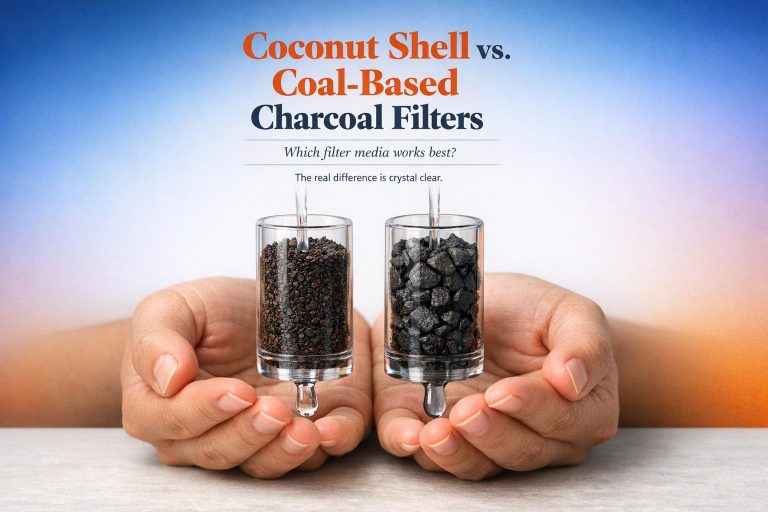
Coconut shell charcoal filters outperform coal-based ones in filtration, durability, and environmental impact.

Natural coconut-shell charcoal filters reduce smoke toxins and biodegrade, offering smokers a simple way to lower microplastic pollution.
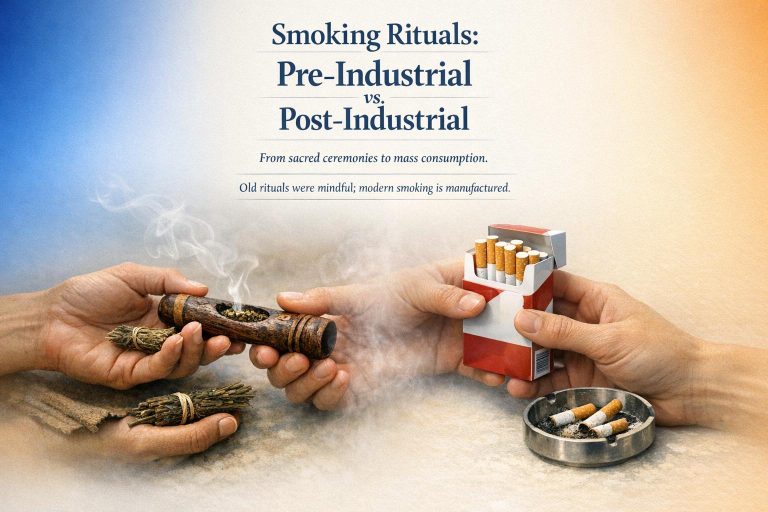
A concise history of how smoking moved from spiritual, communal rituals to mass-produced consumption – and the cultural, health, and environmental costs.
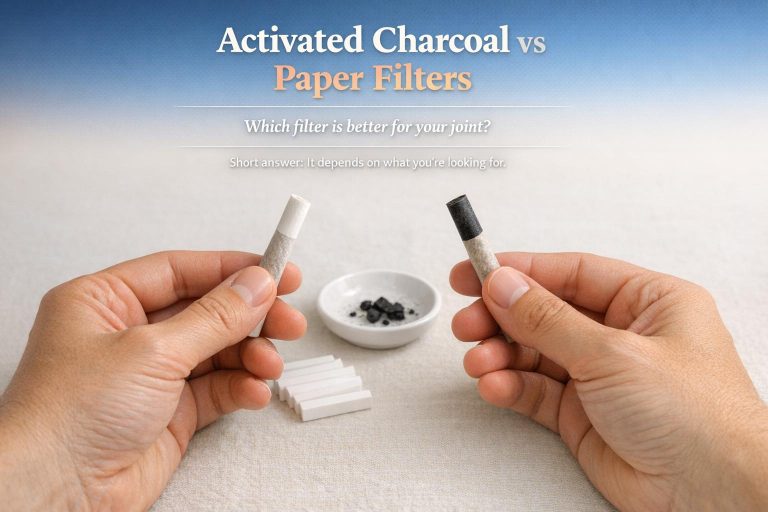
Compare charcoal and paper filters: charcoal cuts gas-phase toxins and smooths hits; paper preserves full flavor, is cheaper and more biodegradable.
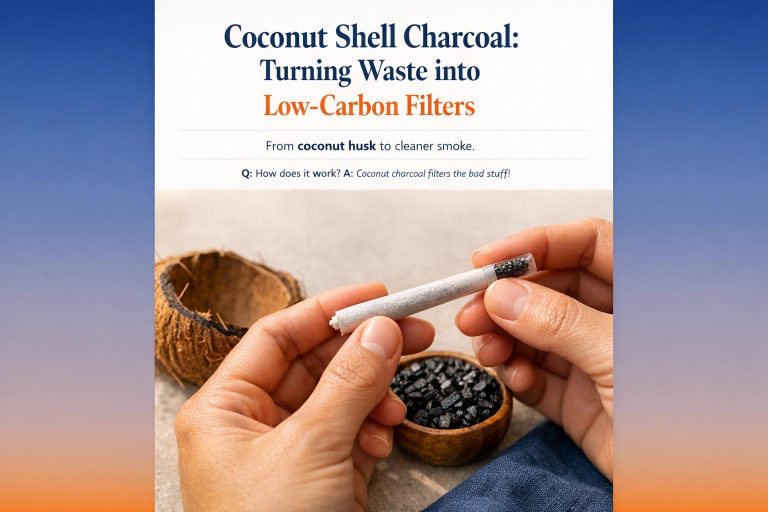
Coconut shell charcoal converts agricultural waste into low‑carbon, microporous activated carbon for cleaner smoking filters and lower emissions.