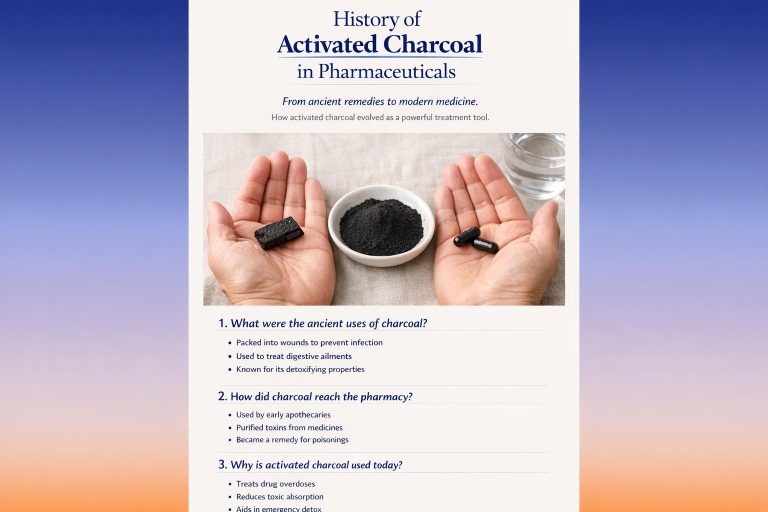
History of Activated Charcoal in Pharmaceuticals
A concise history of activated charcoal’s medical use, from ancient wound care to modern poison treatment, drug purification, and activation methods.

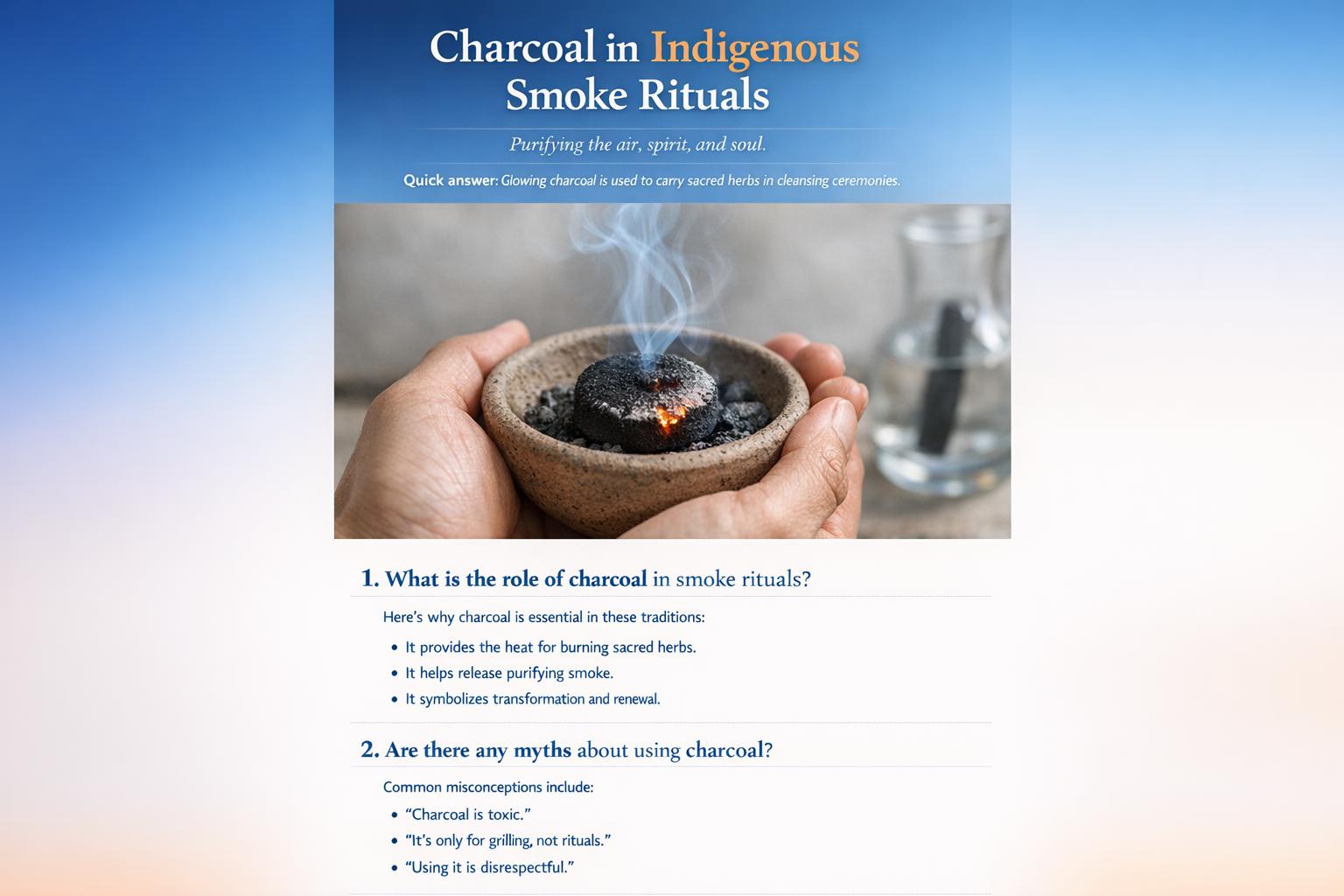
Charcoal has been a key part of spiritual and purification practices worldwide for centuries. Indigenous communities use it in smoke rituals to cleanse, heal, and connect with the spiritual realm. From Aboriginal ceremonies with antimicrobial emu bush smoke to Amazonian shamans burning nicotine-rich Mapacho, these practices combine spiritual significance with practical benefits. Modern science confirms that burning botanicals over charcoal can reduce airborne bacteria, blending tradition with measurable health effects.
Highlights:
While traditional rituals emphasize spirituality and connection, modern applications focus on purification and practicality. Both approaches reflect the enduring role of charcoal in cleansing and transformation.
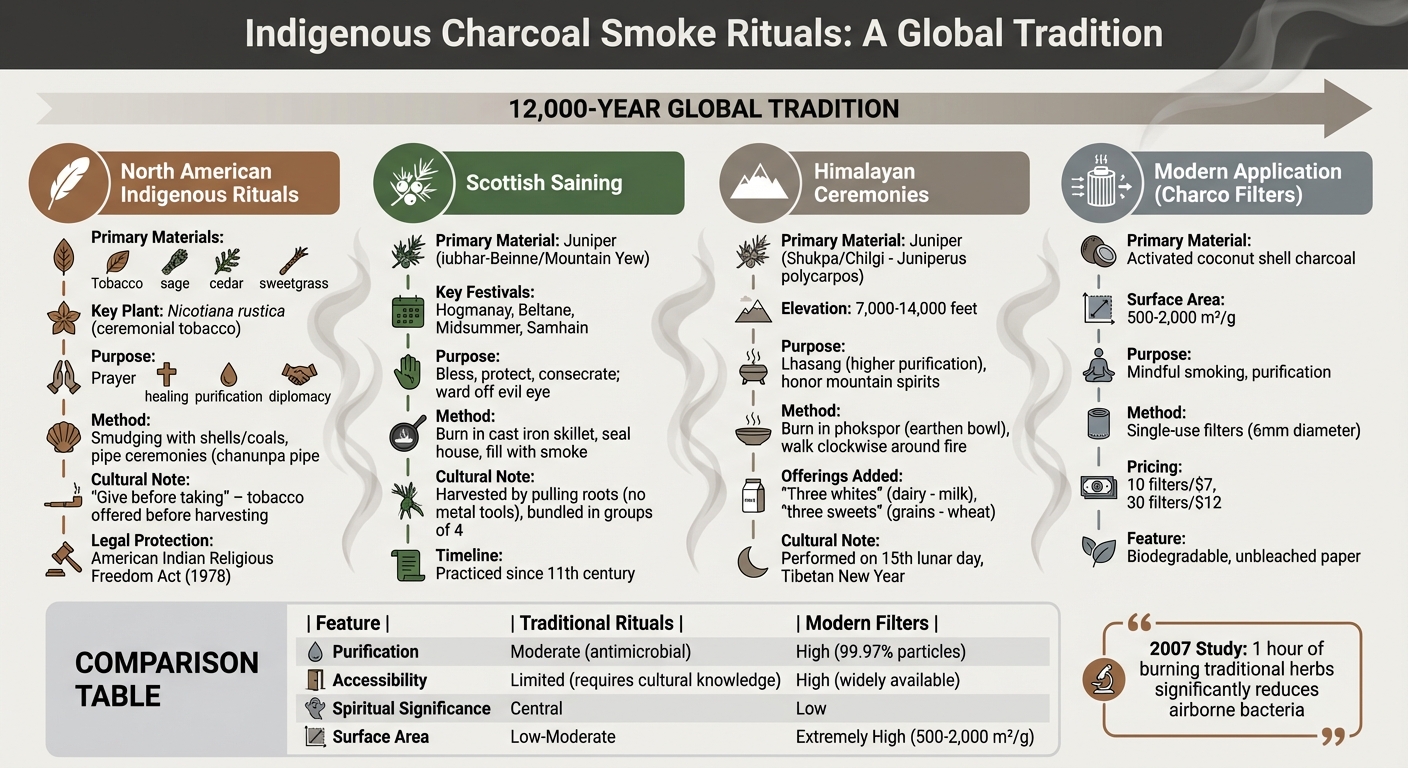
Comparison of Indigenous Charcoal Smoke Rituals Across Cultures
In North American Indigenous smoke ceremonies, the four sacred medicines – tobacco, sage, cedar, and sweetgrass – play a central role. Tobacco, in particular, holds deep spiritual importance. As explained by Anishnawbe Mushkiki:
Tobacco is the first plant that the Creator gave to Native people. It is the main activator of all the plant spirits.
The ceremonial tobacco used, Nicotiana rustica, is distinct from commercial tobacco. It has a much higher nicotine content and is reserved exclusively for spiritual purposes.
Other sacred plants contribute unique qualities to these rituals. Cedar, when burned, crackles to summon spirits, while sage is revered for its ability to cleanse and remove negative energy. Sweetgrass, often described as the "sacred hair of Mother Earth", brings a sense of peace and calm to healing practices. Some tribes also use kinnikinnick, a blend of native tobacco mixed with specific barks or leaves, tailored to their traditions.
Tobacco smoke serves as a bridge between the physical and spiritual worlds. It carries prayers to the Creator and is also used to address physical ailments like wounds, infections, headaches, and earaches. The act of burning tobacco and other sacred plants purifies spaces, clears negative energies, and prepares participants for spiritual work.
In addition to its spiritual functions, tobacco smoke plays a role in community and diplomacy. It has historically been used to seal peace treaties and agreements, symbolizing trust and commitment. Accepting a gift of tobacco in these contexts is seen as entering into a solemn and binding contract.
Smudging is one of the most widely practiced methods of using smoke in ceremonies. In this ritual, dried plants are burned over hot coals, often in a large shell or directly on the ground. Participants use the smoke to cleanse themselves, often guiding it over their bodies with their hands or with a feather. This process purifies individuals, objects, or spaces, aligning them with positive energy.
Another important practice is the pipe ceremony, where tobacco is smoked in sacred pipes like the Lakota chanunpa. The smoke is intentionally directed toward the four cardinal directions, the sky, and the Earth, symbolizing connection and balance. Unlike recreational smoking, ceremonial tobacco smoke is not inhaled but allowed to rise toward the spirit world. In some rituals, tobacco is sprinkled onto a fire or placed on hot coals as a direct offering, with the rising smoke carrying prayers and messages to ancestors and the Creator.
These rituals are guided by strict cultural protocols. Sacred tobacco is used with intention, strictly for prayer and healing, never for casual or recreational purposes. A foundational principle is the "give before taking" approach, where tobacco is offered before harvesting plants, collecting water, or seeking guidance from Elders. Sacred items are treated with great care, and individuals are often advised to abstain from alcohol or drugs for four to seven days before engaging with these plants.
Tobacco offerings are sometimes made with the left hand, symbolizing its closeness to the heart. These practices are deeply respected and were legally protected under the American Indian Religious Freedom Act of 1978, which affirmed the right of Indigenous peoples to use sacred tobacco in their ceremonies without government interference.
In Scottish saining rituals, the focus is on the transformative power of a single sacred plant – juniper. Known in Scottish Gaelic as iubhar-Beinne or "Mountain Yew", juniper holds a central role in these ceremonies. Unlike Native American practices that often use a variety of sacred plants, Scottish traditions rely on juniper for its unique dual properties. As herbalist Josh Williams describes:
"Juniper both purifies and blesses, clears and charges, both at the same time. Juniper… brings so much sacred light into a space that there is simply no room left for anything else."
Traditionally, juniper is harvested by pulling it from the roots rather than cutting it with metal tools, which are considered disrespectful to the plant’s spirit. Once gathered, the branches are bundled in groups of four using all five fingers. If fresh juniper isn’t available, practitioners may burn juniper berries on a charcoal disk to produce the sacred smoke.
Saining, a Scots term meaning to bless, protect, or consecrate, has been a key part of Scottish culture since at least the 11th century. Historically, it was used to protect against the evil eye, heal illnesses, and safeguard livestock and crops from harmful spirits. Major saining rituals are tied to seasonal festivals like Hogmanay (New Year), Beltane, Midsummer, and Samhain. At Samhain, juniper smoke is thought to help connect with the Otherworld. These ceremonies reflect a blend of ancient animistic traditions and Christian influences, with the spirit of juniper called upon to assist in purification. This intent shapes how the smoke is applied during the ritual.
During Hogmanay, a traditional saining practice involves sealing the house and burning juniper branches in a cast iron skillet, pot, or cauldron. The dense, acrid smoke fills the space, often causing sneezing or coughing – a sign of purification. Once the space is thoroughly filled with smoke, windows and doors are thrown open to let out the old energy and bring in fresh air.
For space cleansing, practitioners typically move from the back of the area to the front, while blessings are done in reverse. When saining a person, the smoke is wafted gently from head to toe for cleansing, and then from feet to head for blessing, often in a clockwise (deosil) motion. Modern adaptations may use ceramic urns filled with sand to safely extinguish embers after the ritual.
The practice of saining follows specific harvesting and ritual protocols. Juniper must be pulled using five fingers, accompanied by recited incantations, and no metal tools are allowed, as they are believed to dishonor the plant’s spirit. Practitioners also exhale three times to imbue the juniper with their own energy.
Though the tradition faded by the late 19th century – partly due to reports of accidents, such as a young girl suffocating from the smoke – there’s been a resurgence of interest among those with Scottish roots. With wild juniper becoming increasingly rare in Scotland, modern practitioners are encouraged to use ethically sourced or homegrown materials to ensure the sustainability of this ancient practice.
In the Himalayan region, juniper holds a special place in smoke rituals, celebrated for its strong aromatic and cleansing properties. Known locally as Shukpa or Chilgi, the Himalayan juniper (Juniperus polycarpos) grows at elevations ranging from 7,000 to 14,000 feet. For these ceremonies, crushed juniper leaves and twigs are placed over a base of raw coal, natural incense charcoal, or dried dung cakes. This mixture is typically held in a specially crafted earthen bowl called a phokspor. To enhance the ritual, practitioners often add symbolic offerings such as "the three whites" (dairy products) and "the three sweets" (grains and sweeteners), along with barley and alcohol. This preparation creates a unique foundation for a ceremony focused on purification and attracting blessings.
The Lhasang ceremony, which translates to "higher purification offering", is designed to both cleanse negative energies and invite blessings. Reginald A. Ray, in his book Indestructible Truth, describes the significance of these rituals:
The fire and the purifying smoke are held to embody a powerful energy that dispels the defilements and negativities of those present.
The rising smoke is believed to draw wisdom and blessings from enlightened beings. Additionally, these ceremonies honor local mountain spirits, known as yul-lhas or sa-dags, who are considered guardians of the Buddhist dharma.
The process begins by preparing a hearth or fire pit, which burns down to glowing coals before the juniper is added. To produce denser, more aromatic smoke, practitioners sometimes moisten the juniper boughs with water beforehand. Participants then walk clockwise around the fire, allowing the smoke to envelop them as a form of purification. Personal belongings, such as clothing or religious tools, are passed through the smoke to receive blessings. In Bhutan, burning juniper incense is a daily ritual, performed twice a day to clear energy and ward off negative influences. Outdoor ceremonies are often held at Lha-thos – square structures made from clay, bricks, or stone, typically located on rooftops or hilltops. These structures are adorned with fresh juniper twigs each year during Losar (New Year).
Strict protocols ensure the spiritual integrity of these rituals. The areas surrounding Lha-thos shrines are kept impeccably clean, and any contamination requires a special purification prayer, known as Lhabsangs, which is performed by a local Lama. Sang-sol offerings are typically conducted on auspicious days, such as the 15th day of the lunar month or during the Tibetan New Year.
With juniper populations under threat due to slow growth and high demand for ritual incense, efforts are underway in Nepal and Bhutan to replant and conserve these vital plants. Modern practitioners are encouraged to use cultivated juniper or sustainable alternatives to protect wild populations, balancing respect for tradition with environmental responsibility.
While ancient cultures used plant-based purifiers in sacred rituals, today’s activated charcoal filters bring this tradition into the modern world, blending timeless principles with contemporary smoking habits.
Charco Filters use activated charcoal made from coconut shells, housed in unbleached paper with ceramic caps. By repurposing agricultural byproducts, these filters embrace a sustainable approach while staying true to the ancestral practice of relying on natural, renewable materials.
Just as indigenous smoke rituals were meant to cleanse and purify, these filters aim to make smoking a more mindful experience. The focus shifts from simple consumption to an intentional act that promotes clarity and reflection.
The filters operate by channeling smoke through activated charcoal, which has a high surface area to trap impurities while maintaining the flavor of the herbs. Each filter, with a 6 mm diameter, is designed for single use. Charco offers packs of 10 for $7 and 30 for $12, making them a practical option for everyday use. Plus, the biodegradable materials ensure that, much like traditional rituals that returned ashes to the earth, these filters can be responsibly discarded once fully cooled. Through this thoughtful design, Charco Filters carry forward the transformative essence of charcoal in a modern, eco-conscious way.
Charcoal has found its place in both age-old traditions and contemporary applications, each offering distinct advantages and limitations. Let’s take a closer look at how traditional smoke rituals and modern activated charcoal filters compare.
Traditional smoke rituals shine in their ceremonial importance and spiritual depth. They play a vital role in marking significant life events like births, initiations, and deaths, while also fostering reconciliation through public ceremonies such as "Welcome to Country" events. Beyond their spiritual resonance, these rituals also deliver antimicrobial benefits – though these effects only emerge when the botanicals are heated.
However, traditional practices face accessibility hurdles. Historical displacements have restricted access to the diverse plants once used in these rituals, leaving some communities with fewer options. Additionally, these practices require extensive ethnobotanical knowledge and the guidance of elders, making them challenging for those outside these cultural circles to adopt.
On the other hand, modern activated charcoal filters bring a different set of strengths to the table. With an impressive surface area ranging from 500 to 2,000 m² per gram – far surpassing the natural pores of traditional charcoal – these filters excel in purification. When paired with HEPA filters, they can capture 99.97% of small particles, including volatile organic compounds (VOCs), heavy metals, and industrial odors. The table below highlights the key differences between the two approaches:
| Feature | Traditional Smoke Rituals | Modern Activated Charcoal Filters |
|---|---|---|
| Purification Effectiveness | Moderate; primarily antimicrobial and surface-level disinfection | High; removes 99.97% of particles and a wide range of chemicals |
| Accessibility | Limited (requires specific land access, elder knowledge, cultural ties) | High; widely available through retail and e-commerce |
| Spiritual Significance | Central; deeply woven into spirituality and life milestones | Low; designed for industrial or domestic utility |
| Surface Area | Low to Moderate; limited to natural pores from pyrolysis | Extremely High; 500–2,000 m²/g due to activation |
In summary, traditional smoke rituals create a profound connection to cultural heritage, offering spiritual and psychological benefits that modern methods simply can’t replicate. Meanwhile, activated charcoal filters are all about efficiency, delivering reliable and standardized purification without the need for cultural or spiritual context.
As Heidi Shayla aptly puts it:
The commercialization of smudging is unfortunate… it is cultural appropriation of North American indigenous practices [and] has created serious issues around illegal and/or irresponsible wildharvesting.
Charcoal has long been at the heart of purification rituals across the globe. From the Amazon rainforests to the Scottish Highlands, smoke ceremonies serve a shared purpose: connecting the physical and spiritual realms while cleansing both the body and the surrounding space [4, 48, 60]. Whether Aboriginal Australians use heated emu bush leaves or Himalayan communities burn juniper, the goal is always the same – purification as an essential part of spiritual practice, with charcoal playing a key role in making it happen.
Interestingly, these ancient traditions also align with science. A 2007 study revealed that burning traditional herbal mixtures for just one hour could significantly reduce airborne bacteria [2, 8]. This blend of spiritual and physical cleansing underscores the enduring relevance of these practices.
Today, this legacy continues in modern forms. Products like Charco Filters, crafted from activated coconut-shell charcoal, bring the essence of ancient purification into contemporary life. These filters maintain the core idea of cleansing by removing impurities and toxins, offering a cleaner, more mindful smoking experience. As Heritage Apothecary beautifully puts it:
Charcoal incense is just the vehicle you choose to bring your intentions from the spiritual to the physical world.
From sacred rituals to innovative tools like Charco Filters, charcoal remains a timeless medium for purification. By bridging the ancient and the modern, we honor a 12,000-year tradition, transforming everyday moments into meaningful rituals. This connection between past and present reminds us that the desire for purification and ritual is as enduring as humanity itself.
Charcoal plays a dual role in smoke rituals, serving both symbolic and practical purposes tied to purification, transformation, and spiritual growth. Its association with fire embodies themes of renewal and balance, making it a powerful tool in ceremonial settings. Often, charcoal is used as a base to burn sacred herbs or incense, producing smoke that is thought to cleanse spaces, carry prayers, and create a connection between the physical and spiritual worlds. This practice is deeply rooted in fostering healing and encouraging mindfulness during rituals.
Smoke rituals take on different forms around the world, shaped by the traditions and beliefs of each region. In North America, these rituals often involve tobacco and various herbs, used to connect with spirits and promote healing. In Scotland, juniper and other herbs play a central role, burned to cleanse spaces and drive away negativity. Meanwhile, Himalayan ceremonies emphasize ancestral connection and spirit invocation, relying on local herbs to purify and aid in spiritual communication. Each region’s practices reflect its own unique path to healing and spiritual connection.
Sacred ceremonial tobacco, such as mapacho or Nicotiana rustica, holds deep spiritual meaning and is cultivated with care for purposes like healing, prayer, and rituals. Its preparation reflects a sense of reverence and connection to tradition. On the other hand, commercial tobacco is mass-produced, frequently includes additives, and is typically used recreationally, without the spiritual or cultural importance tied to sacred tobacco. While sacred tobacco fosters respect and a bond with heritage, commercial tobacco is more commonly linked to health concerns and addiction.
A concise history of activated charcoal’s medical use, from ancient wound care to modern poison treatment, drug purification, and activation methods.
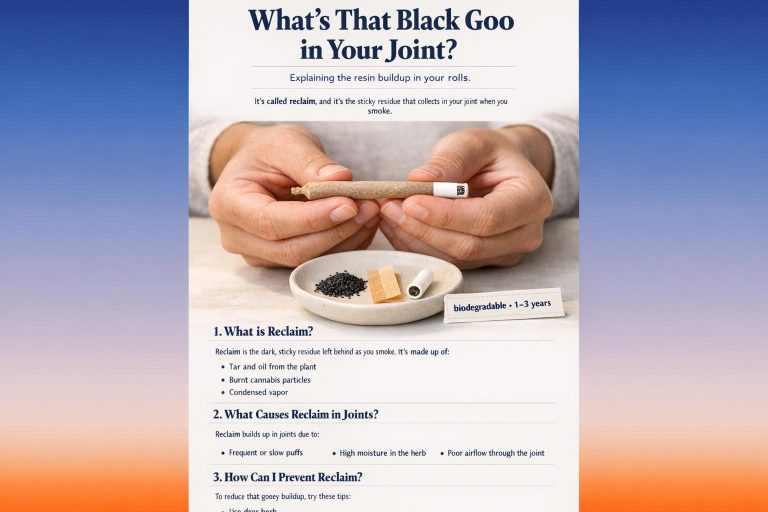
Biodegradable smoking filters use coconut-shell charcoal, unbleached paper and ceramic tips to reduce toxins and decompose in 1–3 years.
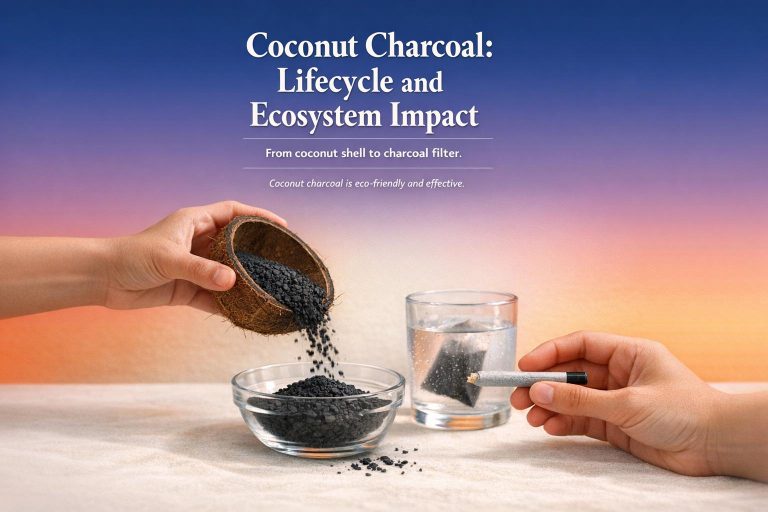
From discarded shells to activated carbon: lower-emission production, waste-to-resource benefits, and uses in water and smoking filtration.
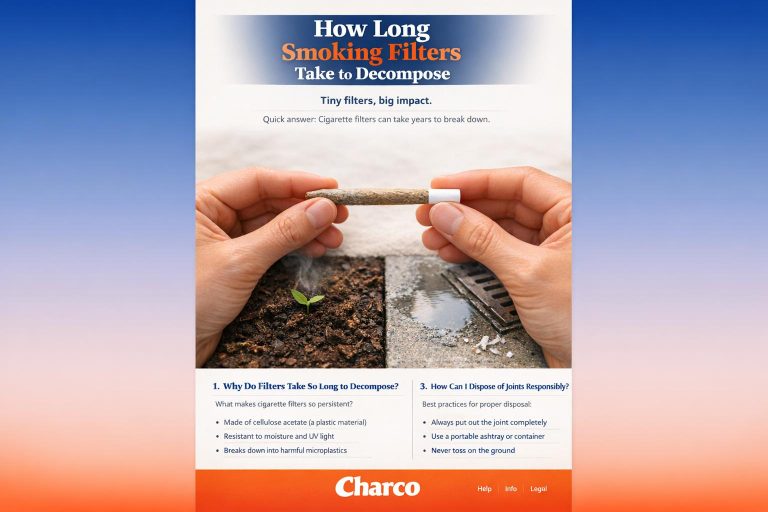
Cigarette filters can persist for years, fragment into microplastics, and only decompose fast in managed compost—material and disposal shape their harm.
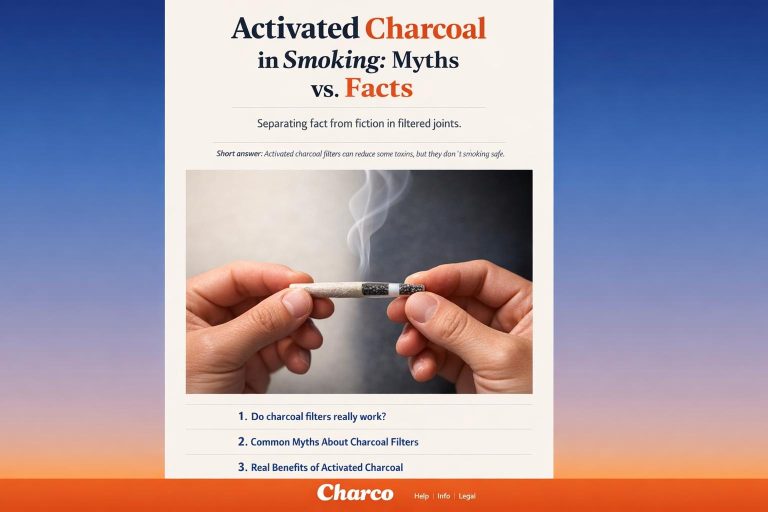
Activated charcoal filters trap many gas-phase toxins, reduce throat irritation and preserve THC/CBD, but they don’t remove gases like CO or eliminate smoking risks.
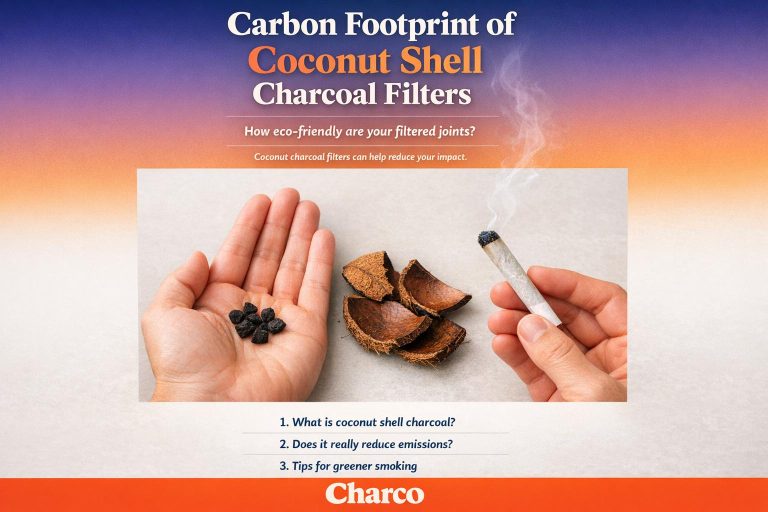
Coconut shell charcoal filters cut lifecycle emissions versus coal, but pyrolysis and pit charring remain the largest sources of carbon impact.