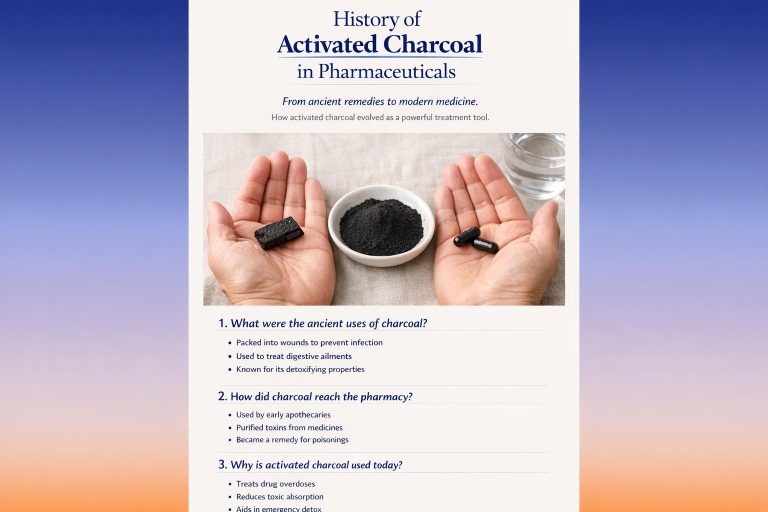
History of Activated Charcoal in Pharmaceuticals
A concise history of activated charcoal’s medical use, from ancient wound care to modern poison treatment, drug purification, and activation methods.

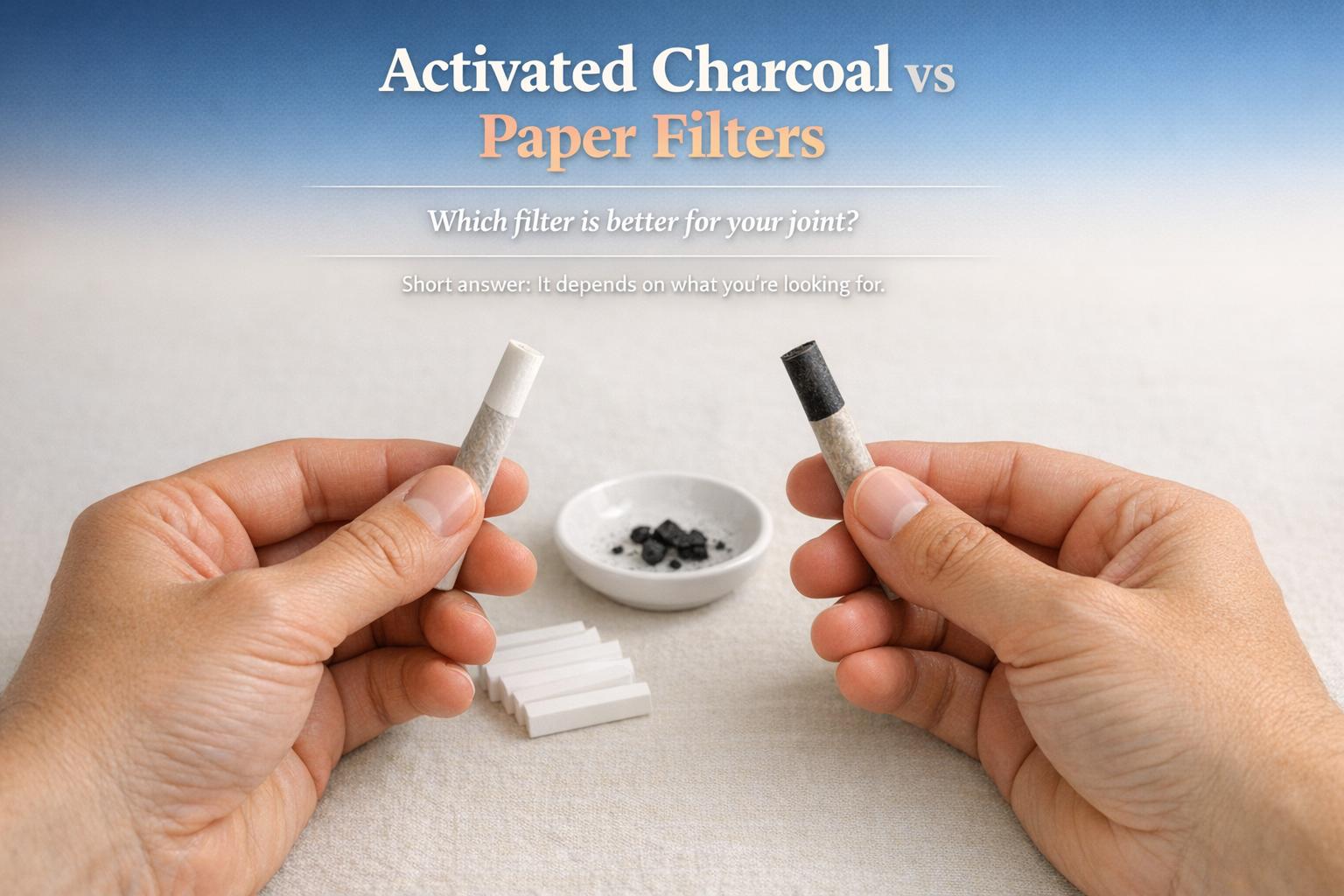
Activated charcoal and paper filters serve different purposes when it comes to filtration. Activated charcoal filters excel at removing harmful gas-phase toxins like benzene and ammonia, providing a smoother and cooler smoking experience by reducing harshness and irritation. However, they may slightly mute the natural flavor of your herb or tobacco. Paper filters, on the other hand, are simpler and retain the full, unaltered flavor but only block larger particles like ash, offering minimal protection against toxic gases. They are biodegradable and cost-effective but can lead to a harsher, hotter smoke.
Key Takeaways:
Quick Comparison:
| Feature | Activated Charcoal Filters | Paper Filters |
|---|---|---|
| Toxin Removal | Reduces harmful gases like benzene and ammonia | Minimal impact on gas-phase toxins |
| Flavor | Smoother, cleaner but slightly muted | Full, unaltered flavor but harsher smoke |
| Smoothness | High; cooler, less irritation | Low; hotter, harsher smoke |
| Reusability | Reusable 2–3 times | Single-use |
| Biodegradability | Moderate; mixed materials | High; decomposes quickly |
| Cost | $0.40–$0.70 per filter | Often free with rolling papers |
Choose activated charcoal for cleaner hits and reduced irritation or paper filters for simplicity and flavor retention. Your choice depends on your priorities – smoothness, toxin removal, or cost-effectiveness.
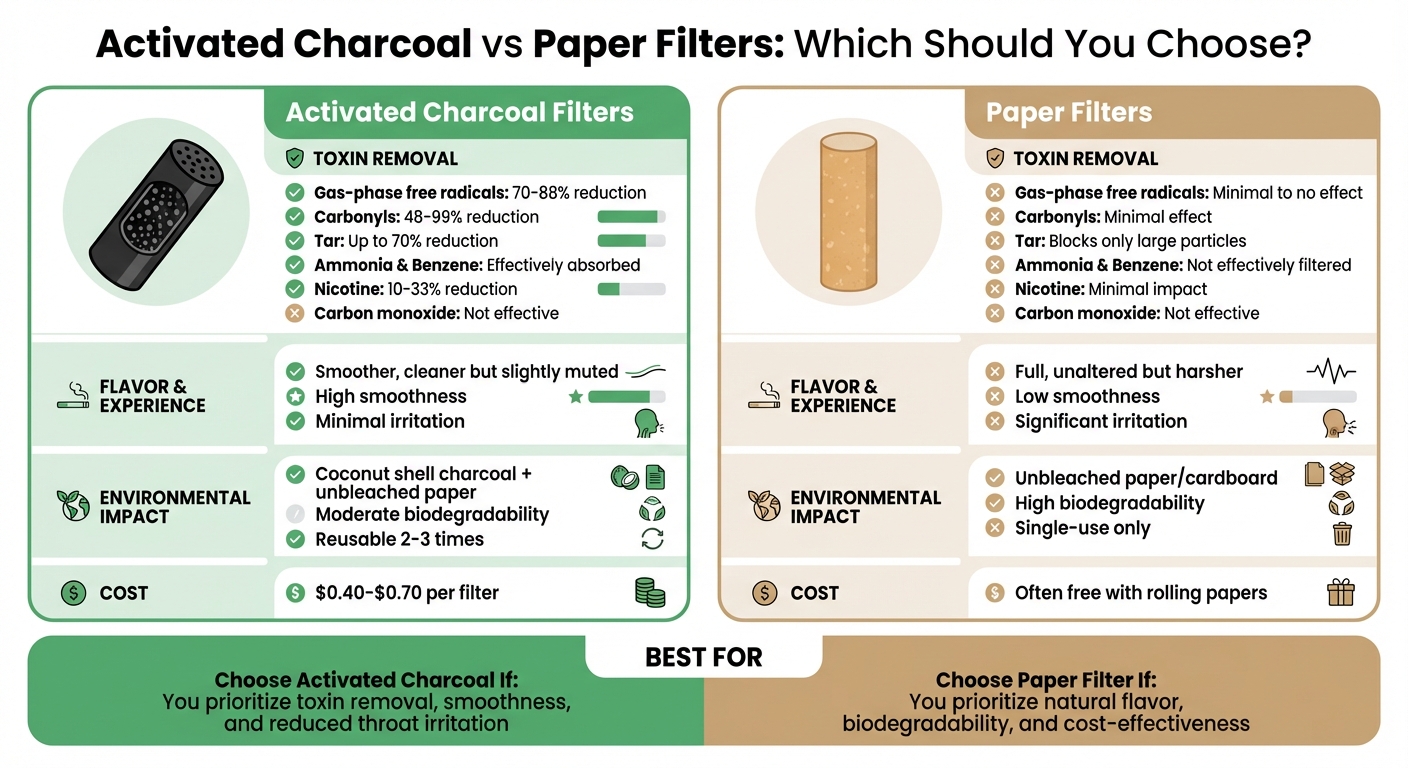
Activated Charcoal vs Paper Filters: Complete Comparison Chart
Activated charcoal and paper filters take entirely different approaches to filtering harmful substances. While activated charcoal relies on adsorption to trap gas-phase toxins, paper filters act as a simple physical barrier, with limited impact on harmful gases.
Activated charcoal filters excel at reducing gas-phase toxins. According to research from Pennsylvania State University‘s Department of Public Health Sciences, even small amounts of activated charcoal can make a big difference. For example:
Acrolein, a harmful chemical, sees a 73% reduction when just 120 mg of activated charcoal is used. These filters are also effective at reducing tar by up to 70% and can trap toxic gases like ammonia and benzene. Dr. Reema Goel highlights their impact on cigarette smoke:
"Activated charcoal can reduce many volatile and semivolatile toxicants in mainstream cigarette smoke, such as hydrogen cyanide, benzene, aldehydes, 4-(methylnitrosamino)-1-(3-pyridyl)-1-butanone, and 1,3-butadiene."
However, activated charcoal has its limitations. It does not effectively remove particulate-phase radicals or carbon monoxide. Additionally, it slightly reduces nicotine delivery, typically by 10% to 33%.
Paper filters, on the other hand, work by physically blocking larger particles like ash and debris. Unlike activated charcoal, they do not chemically interact with smoke. This means that harmful gases such as ammonia, benzene, formaldehyde, and carbon monoxide pass through almost entirely unaffected. Without the ability to adsorb molecules, paper filters offer minimal protection against gas-phase toxins, often leading to a harsher smoking experience and more throat irritation.
| Toxin Type | Activated Charcoal Filter | Paper Filter |
|---|---|---|
| Gas-Phase Free Radicals | 70–88% reduction | Minimal to no effect |
| Carbonyls (Formaldehyde, Acrolein) | 48–99% reduction | Minimal effect |
| Tar | Up to 70% reduction | Blocks only large particles |
| Ammonia & Benzene | Effectively absorbed | Not effectively filtered |
| Nicotine | 10–33% reduction | Minimal impact |
| Carbon Monoxide | Not effectively reduced | Not effectively reduced |
| Large Particles (Ash, Debris) | Effectively blocked | Effectively blocked |
This table highlights the strengths and weaknesses of each filter type, with activated charcoal clearly outperforming paper filters in gas-phase toxin removal. However, neither filter is effective against carbon monoxide.
The type of filter you use doesn’t just filter toxins – it plays a major role in shaping the flavor and feel of your smoking experience. Activated charcoal and paper filters offer vastly different results: charcoal focuses on smoothing out harshness, while paper keeps the raw, unfiltered taste intact.
Activated charcoal filters work by selectively trapping compounds that make smoke bitter and harsh. They adsorb gas-phase toxins like hydrogen cyanide, ammonia, benzene, and formaldehyde, effectively removing the unpleasant tastes that can irritate your throat and tongue. The result? A cooler, smoother draw that’s gentler on your throat and lungs.
That said, this filtration process can also strip away some terpenes, which are responsible for much of the herb’s aroma and flavor. As High Times puts it:
"Charcoal filters tend to strip aroma and nuance first, subtly flatten the experience… The smoke is smoother, though the herb may seem less vibrant."
Even with this trade-off, many smokers appreciate the consistency activated charcoal provides. By preventing moisture buildup and bitter residue, these filters ensure the flavor stays steady from start to finish. No sogginess, no unpleasant surprises – just a smooth, dependable experience.
Paper filters, on the other hand, take a simpler approach. They block larger particles while letting the full, unaltered smoke through. This means you’ll taste every subtle aromatic note of your herb, capturing its most authentic flavor.
But here’s the catch: paper filters don’t filter out toxic gases like ammonia or benzene. This can lead to a hotter, harsher smoke that’s more likely to cause throat burn and coughing. Additionally, paper filters can get soggy during use, restricting airflow and sometimes introducing an unwanted paper-like taste. For those who prize authenticity above all else, paper filters might appeal, but they’re not ideal if you’re after a smoother, more comfortable experience.
| Feature | Activated Charcoal Filters | Paper Filters |
|---|---|---|
| Flavor Profile | Cleaner and smoother; reduces bitterness but may mute some aromatic notes | Full and unaltered; retains the herb’s original taste but includes harsh elements |
| Smoothness | High; provides a cooler, smoother draw | Low; smoke is hotter and more irritating |
| Irritation Level | Minimal; effectively reduces throat and tongue irritation | Significant; allows irritants to pass through |
| Moisture Control | Excellent; prevents spit-back and stays dry | Poor; can become soggy and restrict airflow |
| Consistency | Consistent flavor throughout the session | Flavor degrades as moisture and tar build up |
For those who value a smooth, clean smoking experience without completely losing the herb’s natural essence, activated charcoal filters – such as Charco’s eco-friendly options – offer a solid middle ground.
Up next, we’ll dive into the environmental impact and practical usability of these filters to round out the comparison.
When deciding on a filter, it’s not just about performance – how it impacts the environment and fits into your daily routine matters, too. Activated charcoal filters and paper filters each bring their own advantages and trade-offs in terms of sustainability and practicality. These aspects complement earlier discussions on toxin reduction and flavor.
Activated charcoal filters are crafted using renewable coconut shell charcoal. As noted by PureTips:
"Coconut charcoal… is made from waste shells, making it sustainable and eco-friendly".
Charco filters, for example, combine this coconut-based charcoal with unbleached paper and ceramic tips, steering clear of plastic components entirely. Another plus? These filters can be reused 2–3 times, cutting down on waste compared to single-use options. However, their mixed materials make them less biodegradable than paper filters. Once they’ve absorbed tar and toxins, they should be disposed of in general waste, not composted.
Paper filters shine in biodegradability, breaking down quickly in natural environments. Their construction is simple, often just unbleached paper or cardboard, making them a highly eco-conscious choice. They’re also budget-friendly – often included for free with rolling papers.
That said, paper filters are single-use and aren’t as effective at filtering harmful gases. For those who value minimal waste and biodegradability above all, paper filters are a solid option, though they may sacrifice filtration quality and comfort during use.
| Feature | Activated Charcoal Filters | Paper Filters |
|---|---|---|
| Materials | Coconut shell charcoal, unbleached paper, ceramic tips | Simple unbleached paper or cardboard |
| Biodegradability | Moderate – mixed materials slow breakdown | High – breaks down quickly in nature |
| Reusability | Typically 2–3 uses per filter | Single-use only |
| Moisture Control | Prevents spit-back and stays dry | Becomes soggy during use |
| Disposal | General waste due to tar and toxins | Compostable if unused; general waste otherwise |
| Cost | Around $0.40–$0.70 per filter (based on Charco) | Often free with rolling papers |
This breakdown highlights how environmental factors tie into performance considerations. Activated charcoal filters, with their coconut shell charcoal and reusable design, strike a balance between sustainability and effectiveness. They cater to those seeking both a smoother smoking experience and a reduced environmental footprint. Meanwhile, paper filters are the go-to for simplicity, biodegradability, and low cost, though they may come up short in filtration and usability. When choosing a filter, think beyond just flavor and toxins – consider how it aligns with your environmental values and everyday needs.
Deciding on the right filter depends on what matters most to you – whether it’s health benefits, flavor, or environmental impact. Let’s break it down.
Activated charcoal filters are known for their ability to trap toxins like benzene and ammonia, delivering a smoother, cooler draw that can help reduce throat irritation. They’re priced at about $0.40–$0.70 per filter based on Charco’s pricing ($7 for 10 filters or $12 for 30). However, because they’re made from mixed materials, they aren’t as biodegradable, which could be a drawback for eco-conscious users.
On the other hand, paper filters are a simpler, more environmentally friendly option. They decompose easily and maintain the natural flavor of your herbs. However, they mostly filter out particles and don’t significantly reduce toxins. While this means you get a more unfiltered taste, it also results in a harsher smoking experience.
For those prioritizing cleaner hits with fewer harmful substances, activated charcoal filters stand out. According to Slimjim Online:
"Activated charcoal filters are generally considered more effective than paper filters in reducing harmful substances".
This makes them a solid choice if you’re concerned about respiratory irritation or want to minimize exposure to harmful chemicals over time.
If you’re someone who values the pure, unaltered flavor of your herbs, paper filters might be the better fit, despite their lower filtration capabilities. And if you’re looking for a balance between health and sustainability, activated charcoal filters made from coconut shells – like those from Charco – offer a thoughtful compromise, as discussed in the environmental impact section.
Ultimately, the choice comes down to your priorities. Go with activated charcoal for superior filtration and a smoother draw, or choose paper filters for a more natural flavor and eco-friendliness. There’s no one-size-fits-all answer – it’s all about what complements your smoking experience best.
Activated charcoal filters are known to help reduce some harmful compounds found in smoke, including carbonyls and free radicals. However, when it comes to cutting down carbon monoxide levels, current studies suggest their effectiveness is limited.
A charcoal filter can mellow the flavor of your herb by filtering out some of its aromatic and subtle qualities. While this might slightly reduce the complexity of the taste, it offers a smoother, less harsh experience by minimizing throat irritation. Many people find this trade-off worthwhile, as the filter also helps capture toxins, resulting in a cleaner and more enjoyable smoking session.
No, you shouldn’t reuse activated charcoal filters. Once they’ve been used, their ability to trap toxins and impurities significantly decreases. This reduced adsorption capacity means they won’t effectively remove harmful substances, and reusing them could even pose health risks.
A concise history of activated charcoal’s medical use, from ancient wound care to modern poison treatment, drug purification, and activation methods.
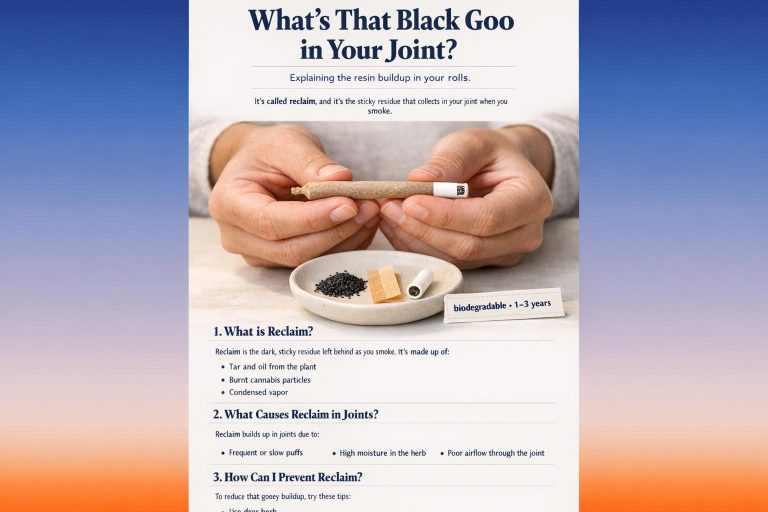
Biodegradable smoking filters use coconut-shell charcoal, unbleached paper and ceramic tips to reduce toxins and decompose in 1–3 years.
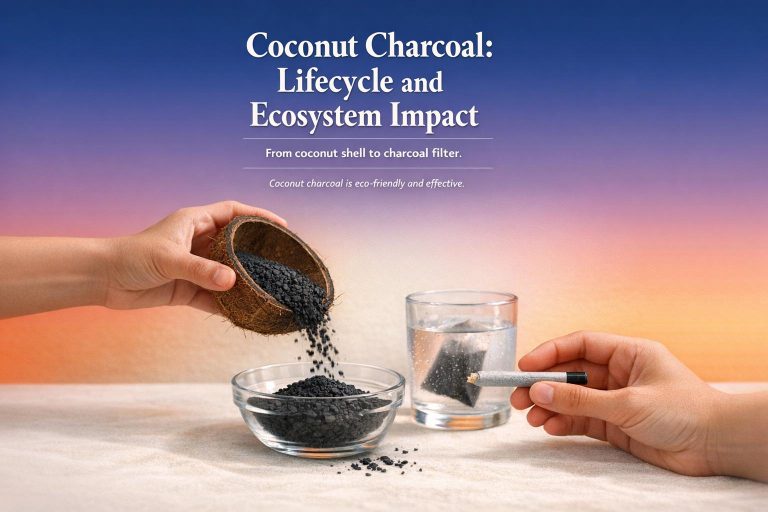
From discarded shells to activated carbon: lower-emission production, waste-to-resource benefits, and uses in water and smoking filtration.
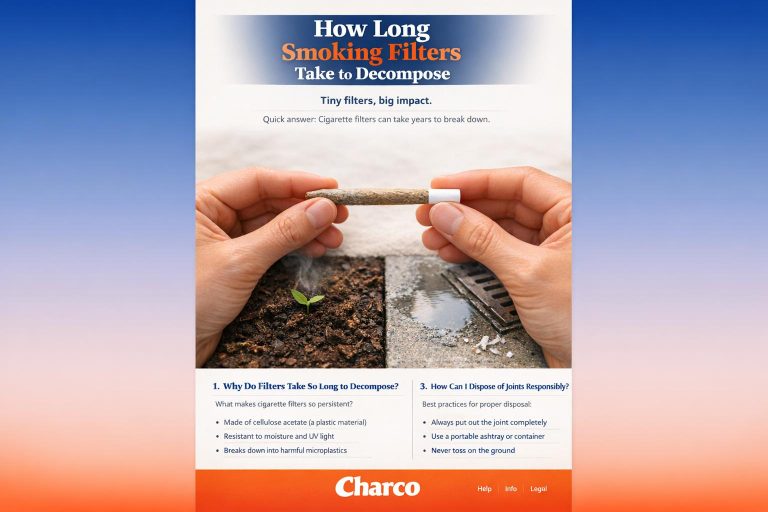
Cigarette filters can persist for years, fragment into microplastics, and only decompose fast in managed compost—material and disposal shape their harm.
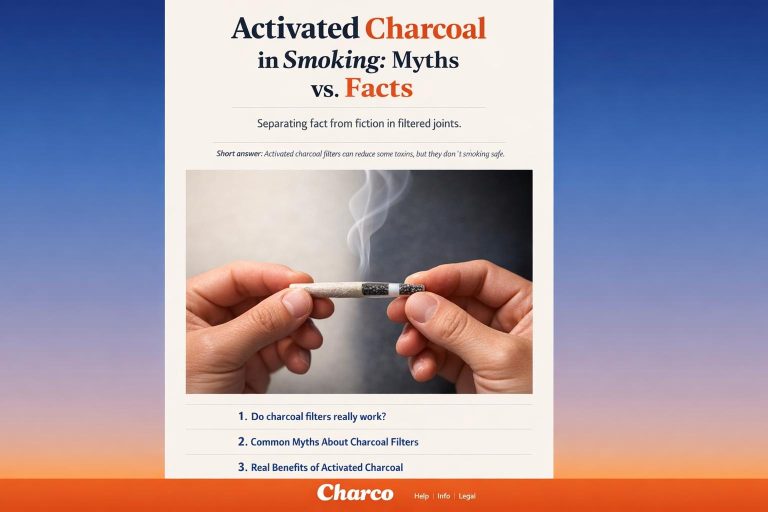
Activated charcoal filters trap many gas-phase toxins, reduce throat irritation and preserve THC/CBD, but they don’t remove gases like CO or eliminate smoking risks.
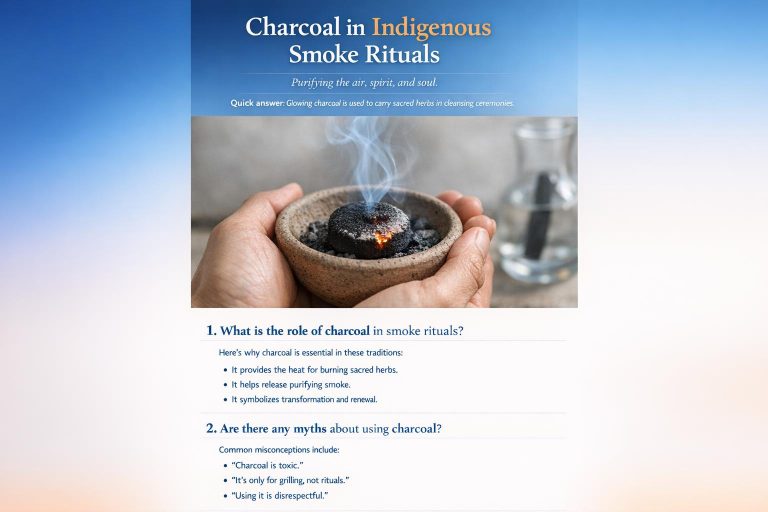
Charcoal-driven smoke rituals blend spiritual meaning with practical purification—from Indigenous ceremonies to modern activated charcoal filters.