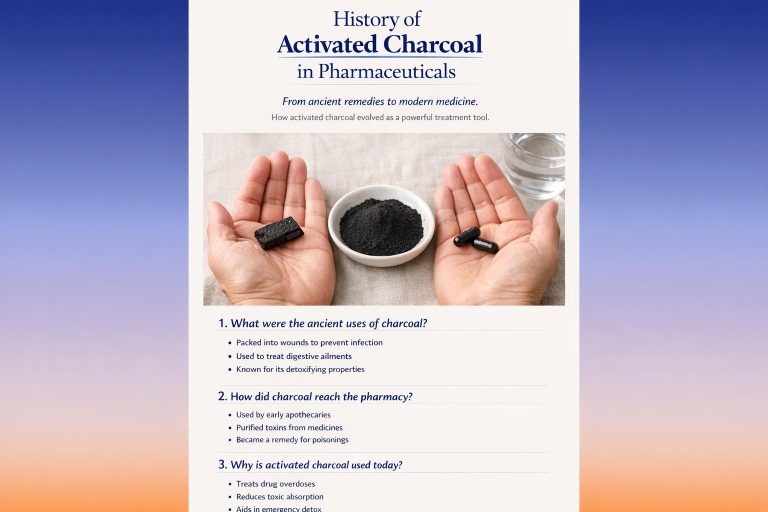
History of Activated Charcoal in Pharmaceuticals
A concise history of activated charcoal’s medical use, from ancient wound care to modern poison treatment, drug purification, and activation methods.


Creating a smoother smoking experience is about reducing harshness, improving comfort, and ensuring cleaner taste. Here are five practical tips to help you achieve that:
5 Ways to Make Your Smoking Experience Smoother: Complete Guide
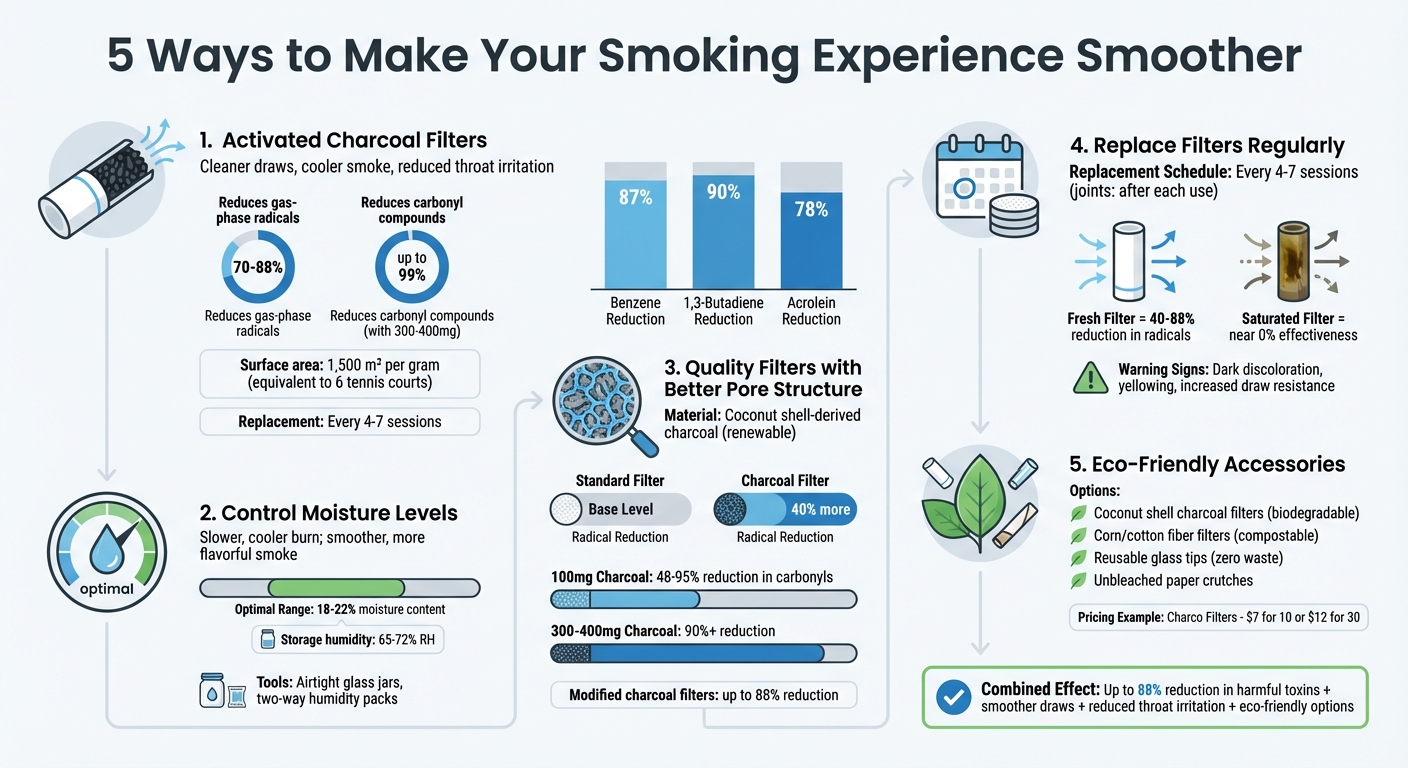
Activated charcoal filters work by adsorption, a process where harmful substances stick to the surface of the carbon. When charcoal is heated to temperatures between 600°F and 1,200°F, it develops millions of tiny pores that trap tar, ash, and resin.
These filters are incredibly effective. For example, a filter containing 300 mg to 400 mg of activated charcoal can reduce harmful carbonyl compounds like formaldehyde and acrolein by as much as 99%. Even a smaller dose of 100 mg can cut these irritants by 48% to 95%. Gas-phase free radicals – unstable molecules that can damage lung tissue – are reduced by 70% to 88%, while p‑benzosemiquinone, a toxic irritant linked to emphysema, decreases by 73% to 80% with proper filtration.
Activated charcoal filters don’t just clean the smoke; they also make the experience more enjoyable. The porous structure cools the smoke as it passes through, leading to a smoother draw and less irritation to the throat. This can significantly reduce coughing and discomfort. Compared to standard cellulose acetate filters, charcoal filters produce 40% to 47% fewer gas-phase radicals, which means less harshness overall.
However, there’s a trade-off: charcoal can absorb some terpenes – the natural compounds responsible for flavor and aroma – resulting in a slightly muted taste. For many, the improved comfort outweighs this minor drawback.
Many activated charcoal filters are made from sustainable materials like coconut shells or wood. For instance, Charco Filters uses coconut-shell charcoal along with unbleached paper and ceramic caps to create a biodegradable product. However, it’s worth noting that while the raw materials are eco-friendly, used filters – saturated with toxins – should be disposed of in regular trash rather than composted. This thoughtful design balances sustainability with practical usability.
Adding activated charcoal filters to your routine is simple and hassle-free. Charco offers packs of 10 filters for $7 or 30 filters for $12, all with a standard 6 mm diameter that fits most smoking setups. To ensure optimal performance, it’s recommended to replace the filter every 4 to 7 sessions, as the charcoal becomes saturated over time and may restrict airflow. For those using loose charcoal adapters, lightly filling the chamber can help maintain smooth airflow.
Getting the moisture levels of your tobacco just right can make all the difference in your smoking experience. When tobacco is too dry, it burns fast and harsh, leaving an unpleasant taste. On the flip side, overly moist tobacco can be difficult to ignite and burn unevenly, which wastes your effort and tobacco.
"Well-hydrated tobacco burns slower and more evenly, generating a cooler, smoother, and more flavorful smoke." – Hydrofogger
The sweet spot for pipe tobacco moisture content is between 18% and 22% by weight. Staying within this range ensures steady combustion, giving your activated charcoal filter the chance to do its job effectively. Too much moisture can overwhelm the filter, while overly dry tobacco may bypass it entirely. By fine-tuning the moisture, you enhance both the burn and the filtration process, making for a smoother, more enjoyable smoke.
Maintaining proper moisture levels doesn’t have to be complicated. For long-term storage, airtight glass Mason jars are a great option. To keep the humidity consistent, add two-way humidity packs that maintain a relative humidity of 65%-72%. These simple tools help keep your tobacco fresh and ready to smoke.
If your tobacco dries out, you can revive it by sealing it in a container with a damp paper towel for a few hours. Just make sure to use distilled or purified water to avoid introducing impurities or bacteria that could lead to mold. For your filters, store them in airtight, waterproof pouches to prevent moisture from affecting their performance. These small steps go a long way in ensuring a consistently great smoking experience.
Activated charcoal is a game-changer when it comes to refining smoke purity and improving cooling efficiency. Its microscopic pore structure goes beyond basic filtration, using a process called adsorption to trap unwanted molecules.
"Activated carbon doesn’t work like a mechanical sieve that blocks particles simply because of their size. Instead, it uses a physical process called adsorption." – Dr. Hybrid, Filter Pioneer
To put it into perspective, a single gram of high-quality activated charcoal can have an internal surface area of up to 1,500 square meters – imagine the size of six tennis courts. This immense surface area allows it to capture up to 70% of the pollutants in smoke. Premium filters amplify this effect: 100 mg of activated charcoal can reduce certain carbonyl compounds by 48% to 95%, and increasing the charcoal load to 300–400 mg can achieve reductions of at least 90%. Specific toxins, like benzene, 1,3-butadiene, and acrolein, see reductions of up to 87%, 90%, and 78%, respectively.
The intricate pore network of activated charcoal doesn’t just filter toxins – it also cools the smoke. As the hot smoke travels through the filter, the large surface area helps release heat, resulting in a smoother, cooler inhale. Additionally, this network captures solid irritants like ash, tar, and sticky resin, which are often responsible for throat irritation and that harsh, burning sensation.
Studies show that charcoal filters can reduce gas-phase radicals by 40% compared to standard cellulose acetate filters. When modified with 300 mg of activated charcoal, these filters can cut gas-phase radicals by as much as 88%. The result? A noticeably smoother and less abrasive experience with every draw.
Coconut shell-derived charcoal offers an eco-conscious solution without sacrificing performance. Coconut shells are a renewable resource that produces highly porous charcoal, making them both effective and environmentally friendly. Companies like Charco Filters take it a step further by combining coconut-based charcoal with unbleached paper and ceramic tips, creating a 100% plant-based product that aligns with sustainability goals.
Switching to filters with optimized pore structures is simple. Look for filters made with coconut-based carbon for their exceptional pore density. If you’re using loose charcoal in adapters, avoid over-packing it – airflow is key for proper filtration. In colder weather, warming the filter can prevent moisture from condensing and maintain airflow. For the best results, replace your filter every 4 to 7 sessions, or after each use when smoking joints, as the pores can become saturated with tar over time, reducing effectiveness. A small adjustment like upgrading your filter can make a big difference in achieving a consistently smooth and enjoyable smoking experience.
Activated charcoal filters operate through adsorption, a process where molecules cling to the surface of tiny pores. Over time, these pores fill up with tar and resin, rendering the filter ineffective – imagine a sponge completely soaked with tar. At this point, the filter not only loses its ability to trap toxins but can also release stale odors and harshness back into your smoke.
Fresh activated charcoal filters are highly effective, reducing gas-phase free radicals by 40% to 88% compared to filters without charcoal. However, once the filter becomes saturated, its efficiency plummets to near zero, directly impacting the quality of your smoking experience.
A saturated filter doesn’t just stop filtering – it also disrupts airflow and flavor. As resin and debris build up, drawing through the filter can feel frustrating, like trying to sip water through a clogged straw. You might also notice an unpleasant stale smell or a burnt-toast aftertaste, which can ruin the smooth, enjoyable experience you’re after. On the other hand, a fresh filter offers a noticeable improvement. As Moose Labs puts it, "Fresh filters = fresher hits!". Regular replacement ensures smooth airflow and preserves the flavor you expect with every session.
Keeping your filters performing at their best is simple. Look for signs like dark discoloration or yellowing of the filter material, and note if drawing becomes more resistant than usual. Charco Filters for joints are designed for single use, ensuring maximum efficiency with every session.
It’s worth noting that activated carbon filters cannot be cleaned or reused – they need to be replaced once they’re saturated. To maintain overall hygiene, clean any reusable silicone housings or adapters weekly using warm soapy water or isopropyl alcohol, and discard the used carbon component. If you’re using loose activated carbon, pack it lightly to ensure proper airflow. Regular maintenance and timely replacements make a significant difference in your smoking experience.
Incorporating eco-conscious accessories into your smoking routine not only enhances the experience but also helps reduce environmental impact. These sustainable alternatives are designed to align smooth operation with greener practices.
For instance, activated charcoal filters made from coconut shells provide a natural and biodegradable way to filter smoke. Similarly, filters made from corn or cotton fibers are fully compostable, breaking down naturally after use. Reusable glass tips offer a zero-waste option, maintaining flavor purity while eliminating the need for disposable materials. Additionally, unbleached paper crutches avoid toxic adhesives or chemical coatings, making them a safer choice for both you and the planet. Some brands even package their filters in upcycled glass jars instead of traditional plastic, offering an eco-conscious touch.
Eco-friendly filters not only support sustainability but also elevate the smoking experience by providing a smoother, more enjoyable pull. Natural fiber filters, for example, are known for delivering a "softer" draw with cooler smoke, which can reduce irritation and coughing fits without compromising airflow.
"Fiber filters are made from natural plant materials and offer lighter debris control with almost no added resistance… Eco‑conscious users also lean toward these thanks to their compostable nature."
– Thick Ass Glass
It’s easy to switch to eco-friendly accessories. Charco Filters, made with 6 mm coconut-shell charcoal wrapped in unbleached paper and ceramic tips, are available at $7 for 10 filters or $12 for 30. Reusable glass tips only require occasional cleaning with warm water or isopropyl alcohol, making them a convenient and sustainable choice. If you prefer simplicity, pre-rolled cones with built-in natural filters provide a hassle-free option. For genuine biodegradability, look for materials like coconut-shell charcoal, corn fiber, or unbleached cotton when choosing your accessories.
These five strategies work together to create a more enjoyable and refined smoking experience. Activated charcoal filters take center stage, effectively reducing harmful toxins like benzene and formaldehyde while cutting gas-phase free radicals by an impressive 70% to 88%. By managing moisture levels and using the right pore structure, airflow remains smooth and consistent. Regularly replacing filters ensures resin buildup doesn’t interfere with performance.
What makes this approach stand out is how the components complement one another. While charcoal filters remove toxins, structured tips help trap debris and cool the smoke simultaneously. Together, they significantly reduce throat irritation and coughing, common issues with unfiltered smoke.
Incorporating eco-friendly accessories rounds out the solution, offering a way to reduce waste without sacrificing quality. For instance, Charco Filters – crafted with 6 mm coconut-shell charcoal and ceramic tips – provide a sustainable option at $7 for 10 filters or $12 for 30. By opting for biodegradable materials and reusable tools, you’re not just improving your smoking experience but also cutting down on single-use waste.
Start small by trying activated charcoal filters or a reusable glass tip. These minor adjustments can lead to noticeable improvements – smoother draws, reduced throat irritation, and a more enjoyable ritual. Plus, every step you take toward sustainability benefits both you and the environment, making your smoking habit cleaner and greener overall.
Activated charcoal filters are a game-changer for anyone looking to enjoy a smoother, more pleasant smoking experience. These filters work by trapping unwanted substances like resin, tar, and other impurities, which means less harshness, fewer coughing fits, and an overall cleaner draw.
Another perk? They help bring out the flavor of your smoke. By removing excess residue and contaminants, activated charcoal ensures you can savor the taste without the irritation that often comes with unfiltered draws.
For the best smoking experience, tobacco needs to be kept at a moisture level of 65% to 69% relative humidity. Staying within this range preserves the tobacco’s flavor while preventing it from drying out or becoming overly damp, both of which can impact the draw and the overall enjoyment.
To maintain this ideal humidity, consider using a reliable humidor or a moisture control accessory. These tools ensure your tobacco stays in perfect condition every time.
Replacing your filter often is key to keeping your smoking experience smooth and enjoyable. As you use your filter, it gradually collects tar, moisture, and debris. This buildup can lead to harsher flavors, restricted airflow, and a less satisfying draw overall.
Switching out your filter during or after each session helps maintain a cleaner, more pleasant experience. It also ensures the flavor and quality of your smoking ritual stay intact.
A concise history of activated charcoal’s medical use, from ancient wound care to modern poison treatment, drug purification, and activation methods.

Biodegradable smoking filters use coconut-shell charcoal, unbleached paper and ceramic tips to reduce toxins and decompose in 1–3 years.
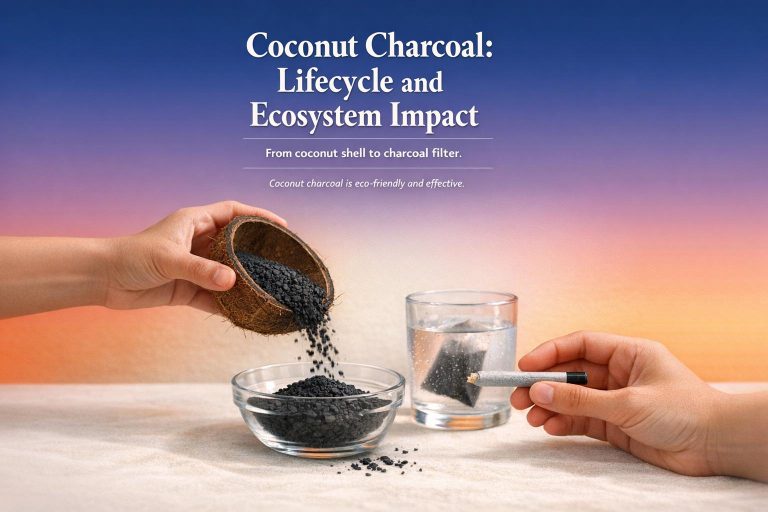
From discarded shells to activated carbon: lower-emission production, waste-to-resource benefits, and uses in water and smoking filtration.
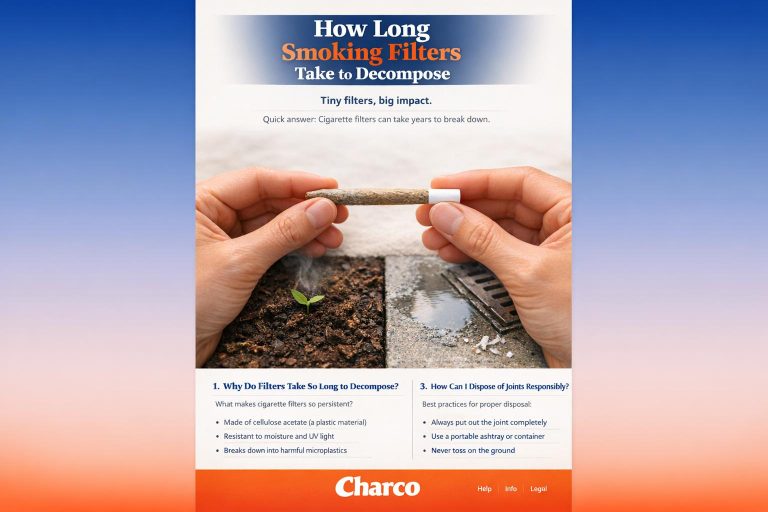
Cigarette filters can persist for years, fragment into microplastics, and only decompose fast in managed compost—material and disposal shape their harm.
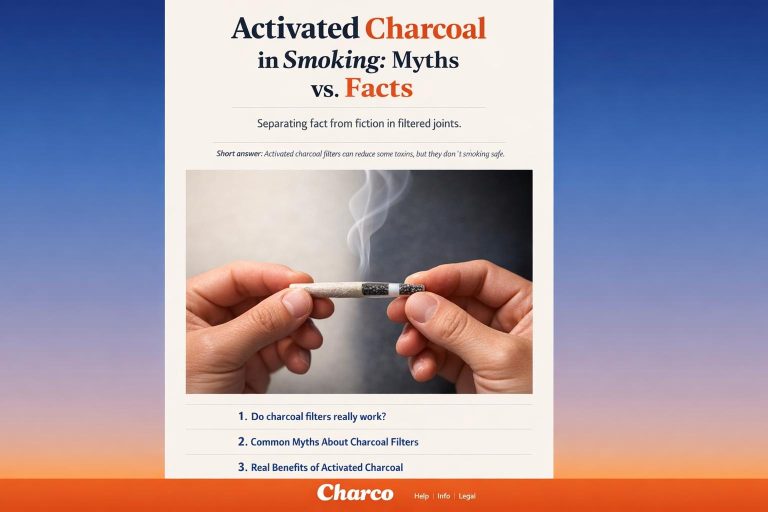
Activated charcoal filters trap many gas-phase toxins, reduce throat irritation and preserve THC/CBD, but they don’t remove gases like CO or eliminate smoking risks.

Charcoal-driven smoke rituals blend spiritual meaning with practical purification—from Indigenous ceremonies to modern activated charcoal filters.