
Problem-Solving With Used Smoking Filters
How discarded cigarette filters harm ecosystems and practical solutions—from collection and pyrolysis to recycling programs and biodegradable filter alternatives.

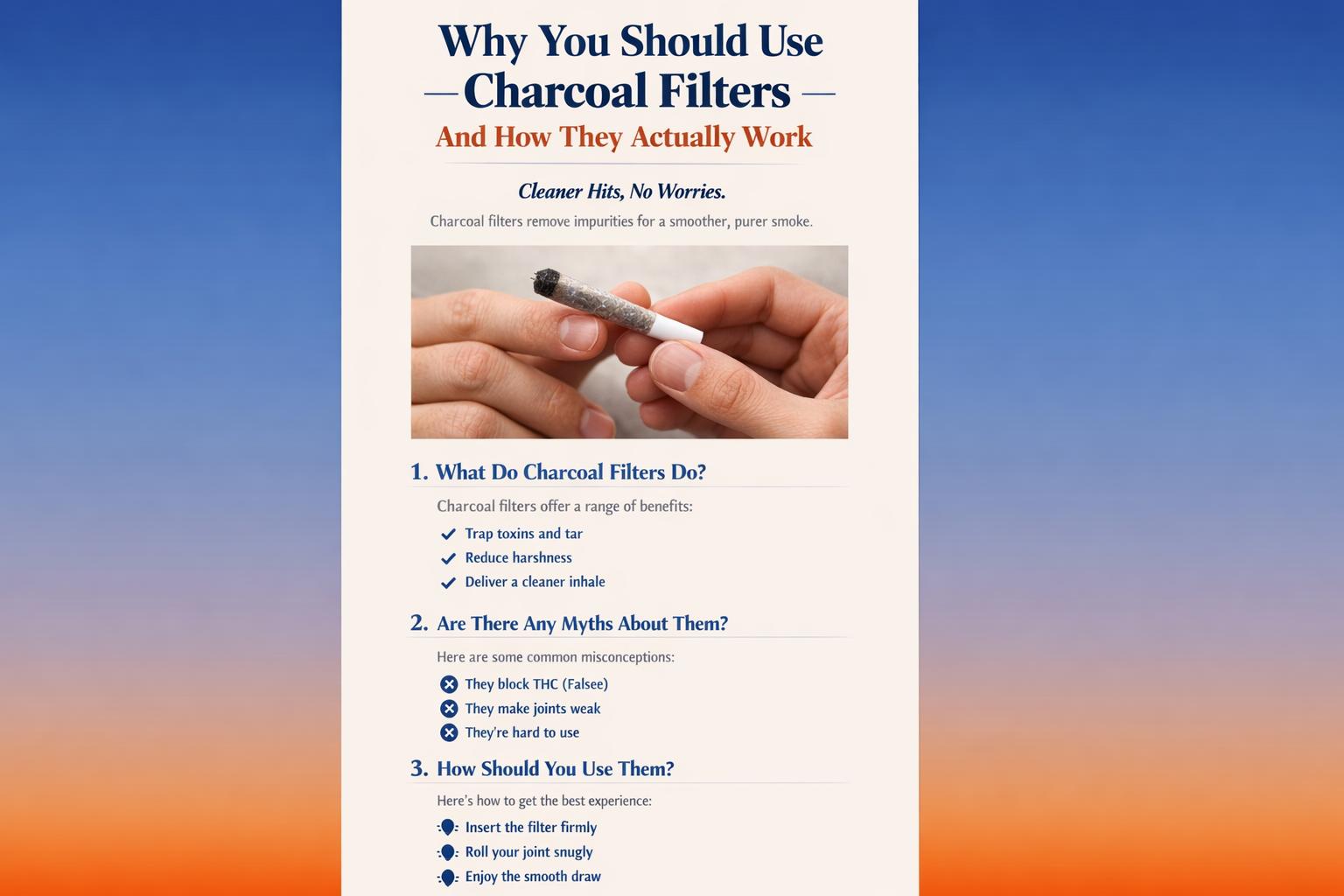
Looking for a cleaner, smoother smoking experience? Activated charcoal filters are the answer. These filters use activated charcoal to trap harmful substances, like tar and formaldehyde, while preserving the flavors and effects of your herbs. Here’s why they stand out:
Activated charcoal works through adsorption, attracting toxins to its massive internal surface area. With filters like Charco, you also get features like dual ceramic caps for added cooling and consistent airflow. Whether you want to reduce exposure to harmful chemicals or enjoy a smoother draw, charcoal filters are a smart upgrade.
Charcoal filters bring more than just advanced adsorption science to the table – they offer practical advantages for health, enjoyment, and environmental responsibility.
Charcoal filters are highly effective at trapping harmful chemicals commonly found in smoke. This ability to reduce toxic chemicals helps create a cleaner and safer experience.
Activated charcoal doesn’t just filter toxins – it also cools the smoke. With up to 1,500 square meters of internal surface area per gram, the charcoal structure absorbs heat as the smoke passes through. This cooling effect leads to smoother inhales reduced harshness and less throat irritation, coughing and discomfort
Additionally, they filter out bitter byproducts of combustion, allowing the natural flavors and aromas of herbs to take center stage. The design selectively captures heavier molecules while letting lighter terpenes and cannabinoids pass through, preserving the herb’s authentic taste and aroma .
Charcoal filters are crafted from coconut shells, a renewable byproduct of the coconut processing industry that might otherwise be discarded . High-quality filters often include biodegradable components like unbleached filter paper and pressed ceramic caps . This eliminates the need for plastic or synthetic materials, ensuring that these filters break down naturally without contributing to landfill waste. For smokers who care about their environmental impact, these filters are a thoughtful and sustainable choice.
To appreciate why activated charcoal filters excel at removing toxins while maintaining the smoking experience, it helps to dive into the science behind their functionality.
Activated charcoal works through a process called adsorption. This is a surface-based phenomenon where harmful molecules stick to the carbon’s intricate internal structure due to van der Waals forces.
"Activated carbon doesn’t work like a mechanical sieve that blocks particles simply because of their size. Instead, it uses a physical process called adsorption." – Dr. Hybrid, Filter Pioneer
The magic happens during the activation process. Coconut shells are heated to around 1,832°F (1,000°C) with steam, creating an intricate network of pores and tunnels within the carbon. This process transforms regular charcoal into a highly efficient filtration material. Just one gram of activated charcoal can have an internal surface area as large as 3,000 square meters.
This massive surface area is key to its effectiveness. It attracts non-polar, heavier molecules like tar and volatile organic compounds, while allowing smaller molecules, such as cannabinoids and terpenes, to pass through. The pore structure, which includes micropores (less than 2 nm) and macropores (greater than 50 nm), is designed to trap harmful substances based on their size. This intricate design is what makes these filters so efficient.
Activated charcoal filters can reduce 70%–90% of gas-phase radicals in smoke. For instance, a filter with a 25 mg load reduces radicals by 41%, whereas a 100 mg load can cut carbonyl compounds by 48%–95% . Larger filters, holding 300–400 mg of activated charcoal, can achieve reductions close to 99%. Despite these high levels of filtration, nicotine delivery only decreases by 10%–33% . Compared to standard cellulose acetate filters, commercial charcoal filters produce 40% fewer gas-phase radicals.
What makes these filters particularly appealing is their ability to target harmful byproducts while leaving desirable compounds largely unaffected. This means they effectively trap toxins without compromising the potency or flavor of the smoke, ensuring the overall experience remains intact.

Charco filters are designed with a 6mm diameter, making them compatible with standard joints and hand-rolled accessories. Crafted from coconut-shell charcoal, these filters are highly effective at adsorption. Each one comes with dual ceramic caps on both ends, which help cool the smoke and provide heat resistance during use.
For the best performance, ensure the filter fits snugly and flush within your rolling paper or accessory. This ensures complete filtration, allowing you to enjoy the full benefits of the filter’s adsorption properties.
Start by inserting the filter before adding your smoking material. Thanks to the dual ceramic caps, you have the flexibility to insert either end. When rolling, align the filter flush with unbleached paper to prevent unfiltered air from slipping through.
Avoid compressing the filter too tightly, as this can restrict airflow. If you’re in a cold or damp environment, briefly warming the filter can help prevent condensation from clogging its pores.
For maximum toxin reduction, replace the filter after each session.
Charco filters are available in two convenient pack sizes: a 10-pack for $7.00 (just $0.70 per filter) or a 30-pack for $12.00 (only $0.40 per filter). Both options include premium coconut-shell charcoal, unbleached paper, and ceramic tips, ensuring a high-quality experience every time.
Charco filters are designed with the planet in mind. Each filter uses activated charcoal made from coconut shells, a renewable resource known for its excellent filtration properties. The filters are paired with unbleached paper and processed using vegan-friendly methods, ensuring a cleaner, more sustainable product. Even the packaging reflects this eco-conscious approach – filters are delivered in upcycled glass jars, which can double as handy storage containers for your herbs. This thoughtful use of materials combines sustainability with practicality, aligning perfectly with Charco’s commitment to cleaner, greener smoking.
Charco takes user safety and comfort seriously with its carefully crafted design. The dual ceramic tips not only cool the smoke for a smoother experience but also prevent charcoal dust from escaping, keeping harmful particles out of your lungs. The single-use nature of these filters is deliberate – once the activated carbon pores are full of tar and toxins, they need to be replaced to avoid reintroducing those pollutants into your system. With an impressive internal surface area of up to 1,500 square meters per gram – roughly the size of six tennis courts – Charco’s coconut-shell charcoal delivers powerful filtration in a compact 6mm filter. This ensures optimal performance without compromising airflow or the quality of your draw.
Switching to activated charcoal filters isn’t just about improving your smoking experience – it’s about taking control of what you breathe in. These filters can bind up to 70% of harmful pollutants and cut down carbonyl compounds by over 90% , significantly reducing your exposure to dangerous substances like benzene and formaldehyde. Standard cardboard tips simply can’t offer this level of protection.
Charco takes it a step further by blending effective filtration with a commitment to environmental responsibility. Using coconut-shell charcoal as a renewable resource, along with dual ceramic tips and biodegradable materials, these filters provide reliable performance while minimizing environmental impact.
The decision is straightforward: stick with outdated methods that expose you to unnecessary toxins, or choose a filter designed to protect your lungs. Whether your priority is better health, environmental awareness, or a smoother, more enjoyable draw, activated charcoal filters deliver real, noticeable benefits every time.
Activated charcoal works through its highly porous structure, which traps harmful chemicals found in smoke. As smoke moves through the filter, substances like volatile organic compounds, carbonyls, and free radicals are adsorbed (not absorbed) onto the charcoal’s surface. This process can cut down toxic components by as much as 80% in certain cases.
By removing these harmful elements, activated charcoal contributes to a cleaner smoking experience, offering a more mindful option for today’s smokers.
Charcoal filters stand out as a greener alternative thanks to their use of natural, renewable materials like wood, coal, or coconut shells. These raw materials undergo processing to produce activated charcoal, known for its highly porous structure that traps harmful substances effectively. Unlike traditional filters made from petroleum-based plastics, charcoal filters help cut down on fossil fuel dependence and contribute to a smaller carbon footprint.
Beyond their eco-friendly production, charcoal filters excel at capturing pollutants and toxins in smoke, keeping them from being released into the air or inhaled. This makes them a more environmentally conscious choice for smokers looking to reduce their impact on the planet.
Charcoal filters are known for their ability to make smoke smoother by cutting down on harshness and filtering out impurities. This can also tweak the flavor profile, often giving it a cleaner and more polished taste.
That said, these filters might slightly lower the strength of the smoke by capturing some active compounds in the process. While the difference is usually small, it’s something to think about if keeping the full potency is important to you.
How discarded cigarette filters harm ecosystems and practical solutions—from collection and pyrolysis to recycling programs and biodegradable filter alternatives.
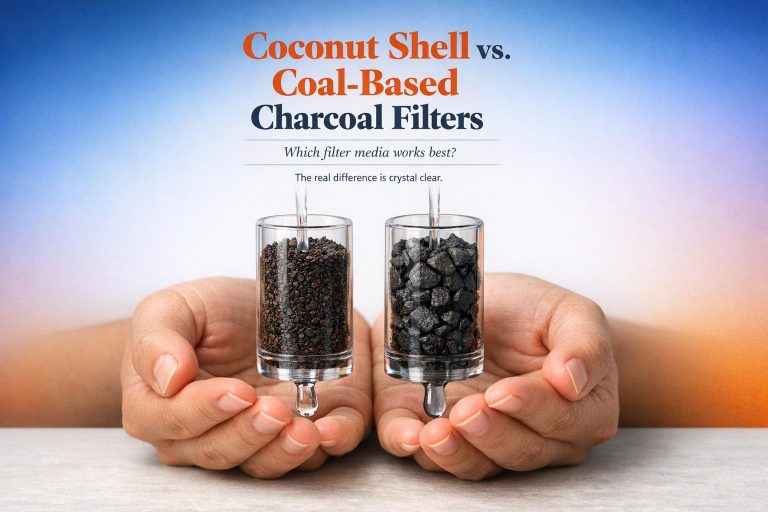
Coconut shell charcoal filters outperform coal-based ones in filtration, durability, and environmental impact.
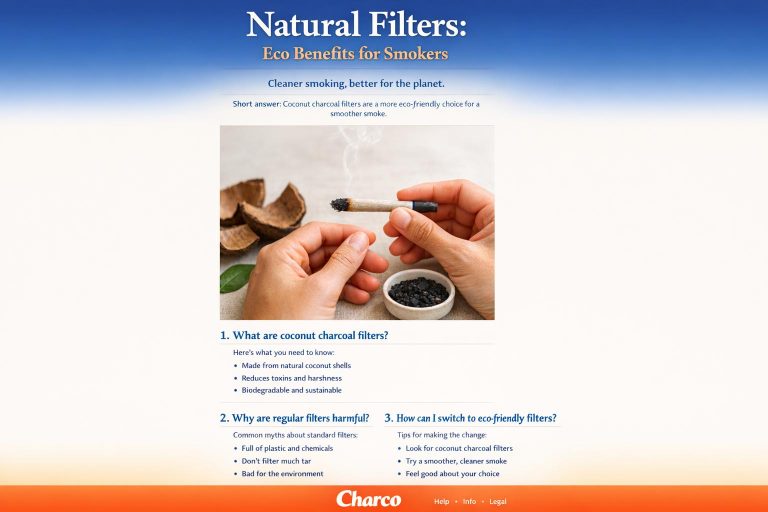
Natural coconut-shell charcoal filters reduce smoke toxins and biodegrade, offering smokers a simple way to lower microplastic pollution.

A concise history of how smoking moved from spiritual, communal rituals to mass-produced consumption – and the cultural, health, and environmental costs.
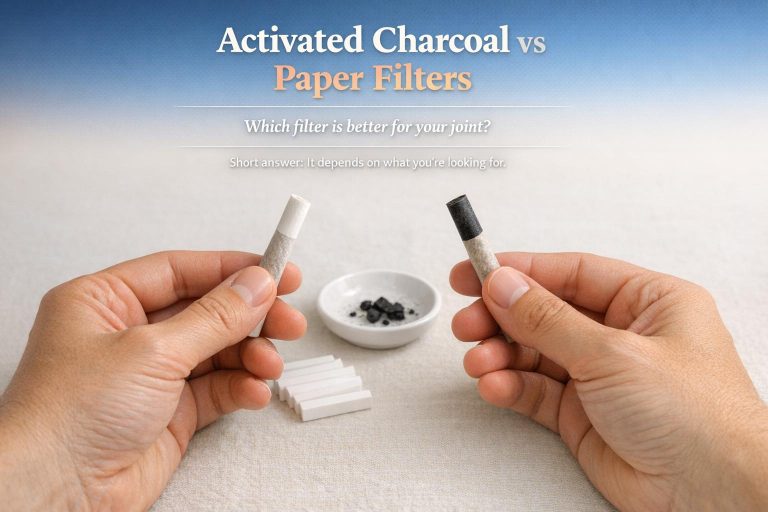
Compare charcoal and paper filters: charcoal cuts gas-phase toxins and smooths hits; paper preserves full flavor, is cheaper and more biodegradable.
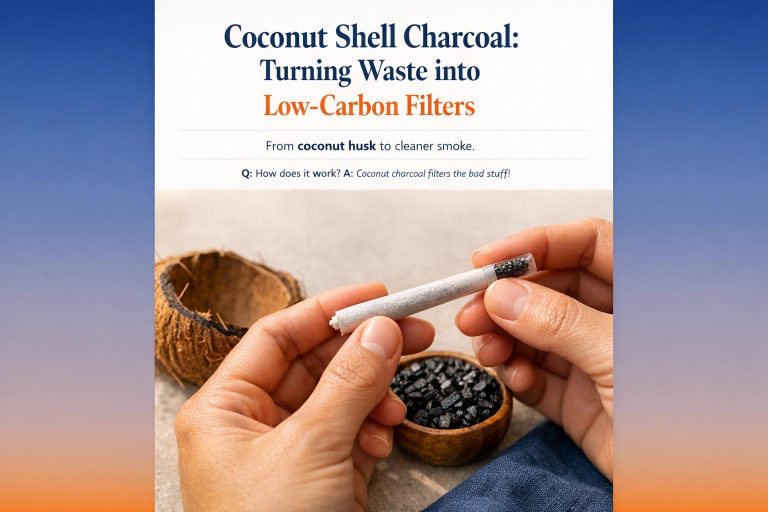
Coconut shell charcoal converts agricultural waste into low‑carbon, microporous activated carbon for cleaner smoking filters and lower emissions.