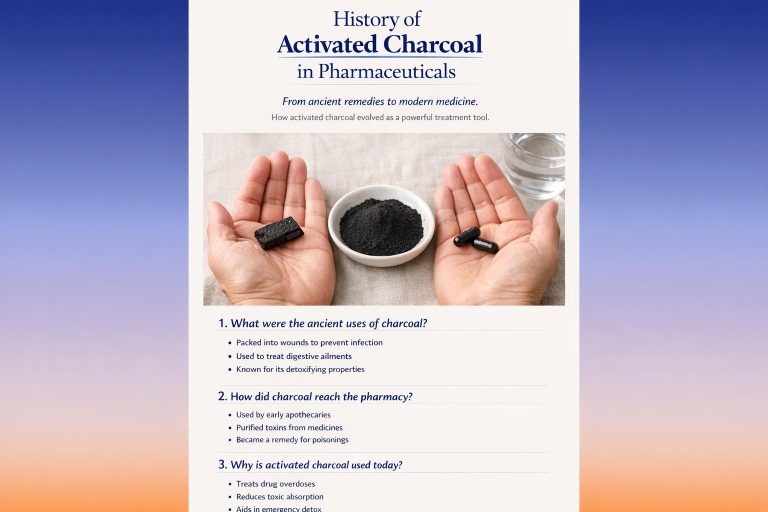
History of Activated Charcoal in Pharmaceuticals
A concise history of activated charcoal’s medical use, from ancient wound care to modern poison treatment, drug purification, and activation methods.

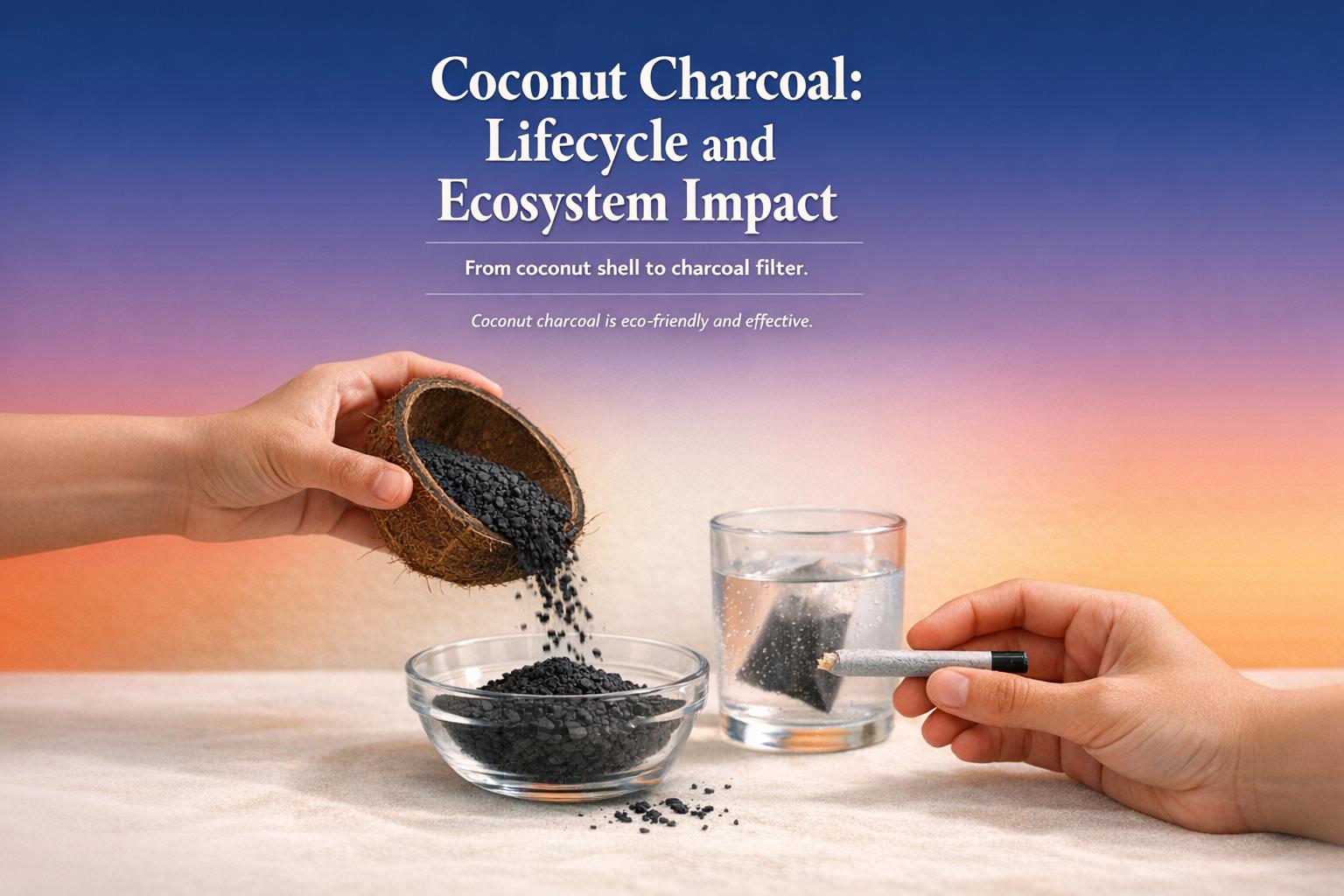
Coconut charcoal transforms discarded coconut shells into a high-carbon, porous material with multiple uses, from water filtration to smoking filters. Its production process – carbonization, activation, and product formation – minimizes waste and reduces emissions compared to traditional coal-based alternatives. Countries like Indonesia, the Philippines, and India lead in coconut charcoal supply, turning agricultural byproducts into valuable resources.
Key points:
Coconut charcoal supports waste reduction, energy savings, and cleaner filtration solutions, making it a smart choice for industries aiming to decrease environmental impact.
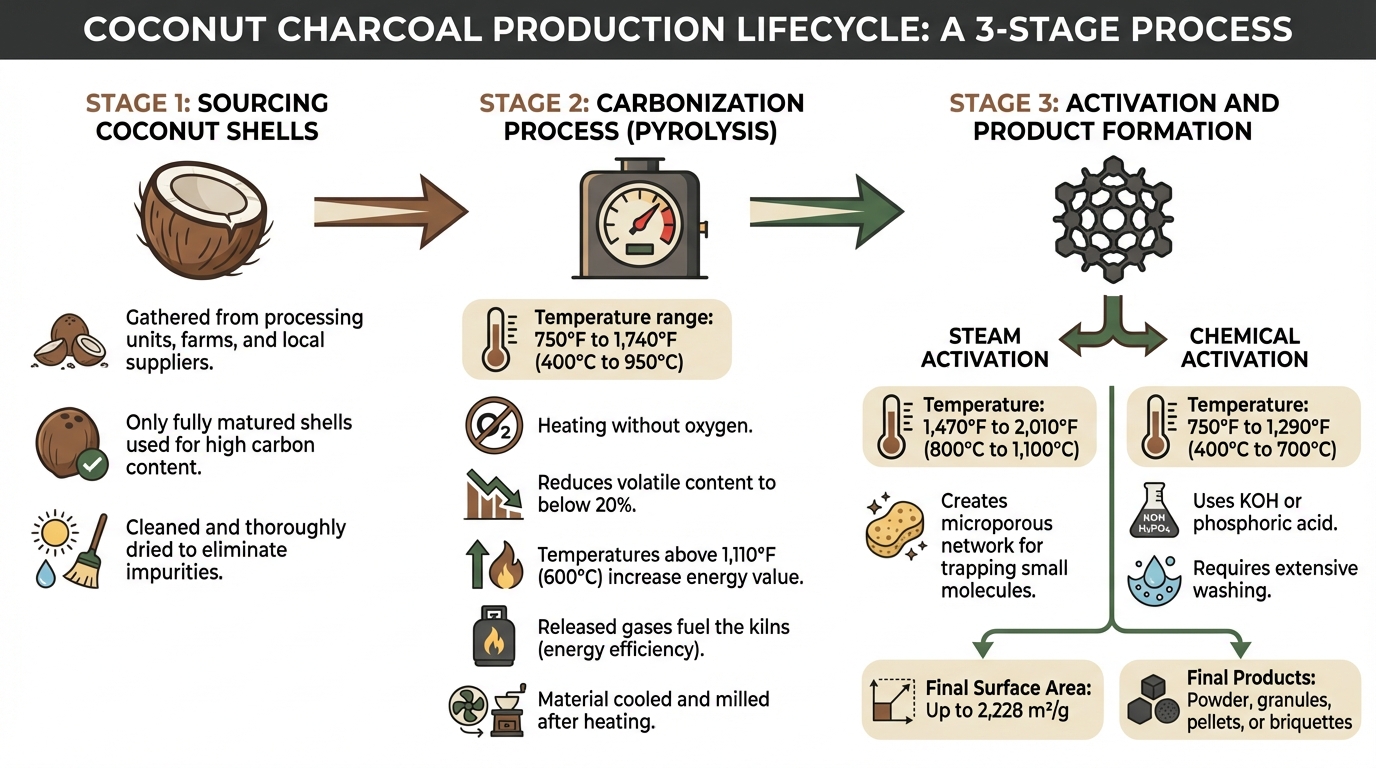
Coconut Charcoal Production Process: From Waste Shells to Activated Carbon
Coconut shells, a byproduct of the coconut industry, are gathered from processing units, farms, and local suppliers. Instead of being discarded, these shells are repurposed as the primary raw material for charcoal production. Only fully matured shells are used, as they deliver the high carbon content required for producing quality charcoal. Before they can be processed, the shells are cleaned and thoroughly dried to eliminate any impurities.
Once prepared, the shells proceed to the carbonization stage.
The carbonization, or pyrolysis process, involves heating the coconut shells in a kiln or furnace without oxygen at temperatures ranging from approximately 750°F to 1,740°F (400°C to 950°C). This step eliminates water and volatile compounds, reducing the volatile content to below 20% and leaving behind carbon-rich charcoal. When temperatures exceed 1,110°F (600°C), the charcoal’s energy value increases, and its pore structure becomes more developed. After this, the material is gradually cooled and then milled into the desired form. Many facilities use the gases released during carbonization to fuel the kilns, reducing reliance on external energy sources.
The final stage is activation, which creates a highly porous structure within the charcoal. In steam activation, the charcoal is heated to temperatures between 1,470°F and 2,010°F (800°C to 1,100°C), forming a microporous network that is excellent for trapping small molecules. Alternatively, chemical activation uses agents like potassium hydroxide (KOH) or phosphoric acid at slightly lower temperatures (about 750°F to 1,290°F or 400°C to 700°C). This method requires extensive washing to remove any residual chemicals. Activated coconut charcoal can achieve a surface area of up to 2,228 m²/g, making it highly effective for various applications.
After activation, the charcoal is washed, dried, and sorted into different grades, such as powder, granules, or pellets. Some manufacturers also press it into briquettes or mold it into specific shapes for convenience. These finished products are often tailored for specific uses, such as eco-friendly smoking filters.
After exploring how coconut charcoal is produced, let’s dive into its broader environmental benefits. This includes tackling agricultural waste, lowering carbon emissions, and ensuring sustainable end-of-life practices.
Coconut shells often end up in landfills or are openly burned, releasing harmful gases into the atmosphere. To put this into perspective, Indonesia produces a staggering 17 billion coconuts annually, while Ghana’s Madina Municipality generates 18 tons of coconut waste daily. When left unmanaged, this waste can lead to flooding and accidental fires.
Transforming coconut shells into charcoal directly addresses this issue. For instance, Kencoco, a company based in Mombasa and led by CEO Said Twahir, works with local women’s groups to source coconut shells for briquette production. These briquettes are more efficient, with customers using only 20 bags per month compared to 40 bags of traditional charcoal, effectively halving their fuel consumption. As Twahir explains:
"For every ton of briquettes produced, you save a few hundred trees".
In Thailand’s Pak Tho District, a community project has turned discarded coconut shells into an economic opportunity. Farmers sell their waste shells to the initiative, which then uses specialized kilns to produce charcoal. This not only reduces the accumulation of agricultural waste but also creates a new income stream for farmers. The project operates on a "zero waste" model, where the ash from burned charcoal is repurposed as organic fertilizer, promoting a circular economy.
These efforts not only manage waste effectively but also pave the way for a production process with a lower environmental impact.
Producing 1 kg of coconut shell activated charcoal using chemical activation methods has a climate impact ranging from 1.209 kg to 1.255 kg of CO2 equivalent. The pyrolysis stage is the most energy-intensive, but modern retort kilns help mitigate emissions by capturing and burning off gases like methane and carbon monoxide.
Coconut charcoal is often labeled carbon neutral because the CO2 released during combustion matches the amount absorbed by the coconut palm as it grows. Compared to coal-based alternatives, coconut charcoal reduces global warming potential by 18.3% and cuts nonrenewable energy use by 71.5%. Additionally, the renewable energy fraction for coconut-based producer gas is 62.9%, whereas coal gas lags far behind at just 2.8%.
Simple changes can make production even cleaner. For example, using sunlight instead of ovens for drying reduces carbon emissions by 7.7%, while incorporating green electricity into catalytic gasification processes lowers greenhouse gas emissions by 43.4%.
The environmental benefits don’t stop at production – coconut charcoal’s disposal also supports its sustainable lifecycle.
Because coconut charcoal is derived from biomass, it’s naturally biodegradable, especially when natural binders like tapioca starch, cassava, or corn are used instead of synthetic adhesives. The ash content varies depending on the briquette type. Fine particle briquettes (60 mesh) produce less ash – 3.35% to 4.11% – compared to coarser particles, which range from 10.43% to 10.91%.
Pure coconut charcoal ash can be composted, improving soil quality by enhancing aeration, drainage, and nutrient retention. However, activated charcoal used in filtration may contain dyes or chemicals, requiring specialized disposal methods.
Coconut charcoal isn’t just a sustainable material – it also plays a significant role in improving smoking filter performance.
Activated coconut charcoal enhances filters by trapping toxins within its dense network of micropores. To put it into perspective, just one gram of activated carbon has a surface area roughly the size of a football field. Over 80% of its structure consists of tiny pores, giving it up to 50% more micropores than coal-based carbon. This makes it highly effective at capturing harmful substances like nicotine, polycyclic aromatic hydrocarbons, tobacco-specific nitrosamines, hydrogen cyanide, and formaldehyde.
For filters containing 100 mg of activated carbon, toxin removal rates range from 48% to 95%. Increase the load to 300 mg, and the efficiency jumps to at least 90%, with some chemicals being filtered out at nearly 99%. These filters also reduce gas-phase radicals by up to 47% and particulate radicals by about 27%. Plus, the material’s hardness prevents dust formation, and its odor-absorbing properties help reduce lingering smoke smells.
These features make coconut charcoal a key ingredient in crafting advanced, eco-conscious smoking filters.
Charco Filters takes full advantage of coconut charcoal’s properties, creating 6 mm (0.24 in.) filters made from activated coconut charcoal, unbleached paper, and ceramic caps. These filters are designed to trap toxins while preserving the flavor of legal herbs. Available in packs of 10 for $7 or 30 for $12, they cater to the increasing demand for biodegradable, plant-based alternatives to traditional plastic-based cellulose acetate filters.
Switching to coconut-derived carbon has environmental benefits, too. It reduces emissions by 75%, saves about 78% in energy use, and cuts fossil fuel depletion by 80% compared to coal-based carbon. AirClean Systems highlights its eco-friendly credentials:
"Coconut shell-based activated carbon is a more sustainable choice, as it utilizes waste materials and does not contribute to mining-related environmental degradation".
With less than 2.5% ash residue, coconut charcoal supports a circular economy by transforming coconut shell waste into valuable products. For optimal performance, replace filters regularly and store them in a dry, sealed environment.
Coconut charcoal offers a smart way to repurpose agricultural waste, aligning with the principles of a circular economy. By converting discarded coconut shells into highly effective products with exceptional adsorption capabilities, this industry not only reduces waste but also delivers practical solutions for filtration. Thanks to its high surface area and microporous structure, coconut charcoal is perfect for uses like water purification and smoking filters, such as those offered by Charco.
Integrated production systems further highlight the potential for reducing environmental impact – achieving reductions between 68.35% and 99.62%. Simple changes, like switching from electric oven drying to sunlight drying, can lower energy use by 7.5% and cut carbon emissions by 7.7%. These are not just hypothetical gains; they represent actionable improvements manufacturers can adopt right now. Such advancements pave the way for further innovations discussed in the next section.
Building on these measurable benefits, the coconut charcoal industry is heading toward zero-waste systems where every part of the process is optimized. Future developments might include solar-powered carbonization units, closed-loop systems that recycle heat and gases, and biochar production aimed at carbon sequestration – all of which reinforce sustainable practices already in place. As noted by Waste Management & Research:
"With the knowledge of the potential, the coconut industry can contribute to both the local and global biocircular economy by producing coconut shell and husk biochar for economic development and environmental remediation".
This forward momentum is likely to drive breakthroughs in areas like nanotechnology-based filtration, energy storage innovations, and biodiesel production. For smoking accessories in particular, coconut charcoal stands out by combining eco-friendly production with high performance, making it the go-to choice for consumers looking for cleaner, more sustainable alternatives to traditional filters.
Coconut charcoal isn’t entirely carbon neutral because its production does consume energy and releases some greenhouse gases. That said, it’s a better alternative to traditional charcoal since it uses coconut shells – a renewable resource – as its base material. Plus, adopting sustainable production techniques like pyrolysis can help cut down emissions even further.
The main distinction between the two methods is how they activate the material. Steam activation relies on high-temperature steam to form micropores and boost surface area, making it perfect for applications like water and air filtration. On the other hand, chemical activation involves using substances like phosphoric acid or potassium hydroxide at lower temperatures. This approach creates a highly porous structure with customized pore sizes, designed for specific uses. Both techniques shape the surface chemistry and pore properties in unique ways.
Used coconut charcoal can sometimes be composted, particularly if it has been fully utilized for purposes like filtration or smoking. However, whether it’s suitable for compost depends on whether it contains any chemical or toxin residues from these processes. Always check its condition carefully before deciding to include it in your compost.
A concise history of activated charcoal’s medical use, from ancient wound care to modern poison treatment, drug purification, and activation methods.
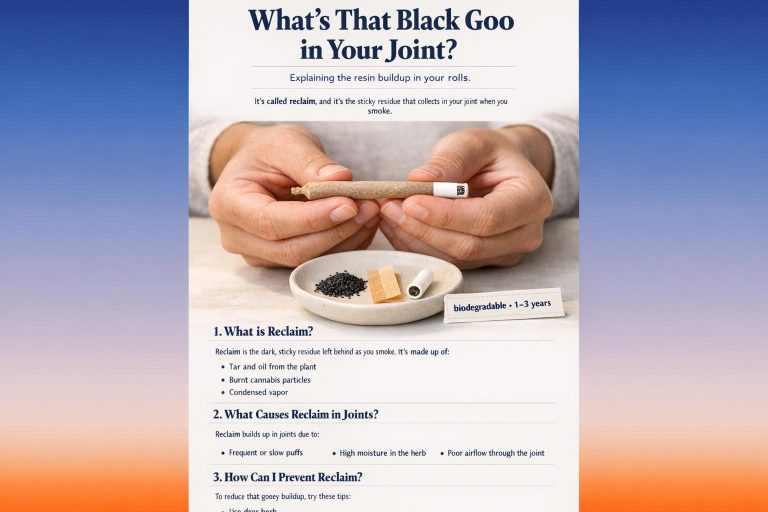
Biodegradable smoking filters use coconut-shell charcoal, unbleached paper and ceramic tips to reduce toxins and decompose in 1–3 years.
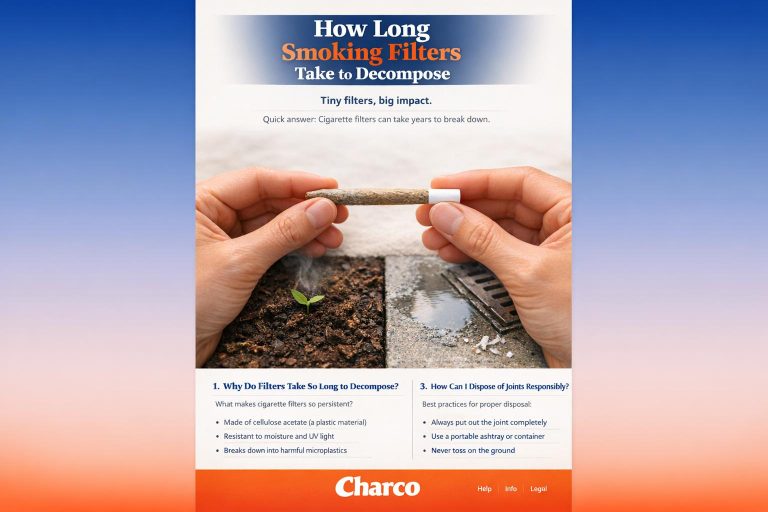
Cigarette filters can persist for years, fragment into microplastics, and only decompose fast in managed compost—material and disposal shape their harm.
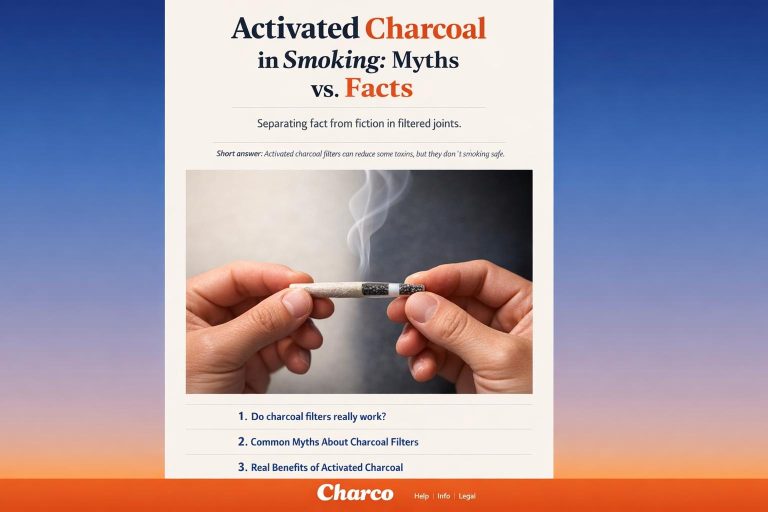
Activated charcoal filters trap many gas-phase toxins, reduce throat irritation and preserve THC/CBD, but they don’t remove gases like CO or eliminate smoking risks.
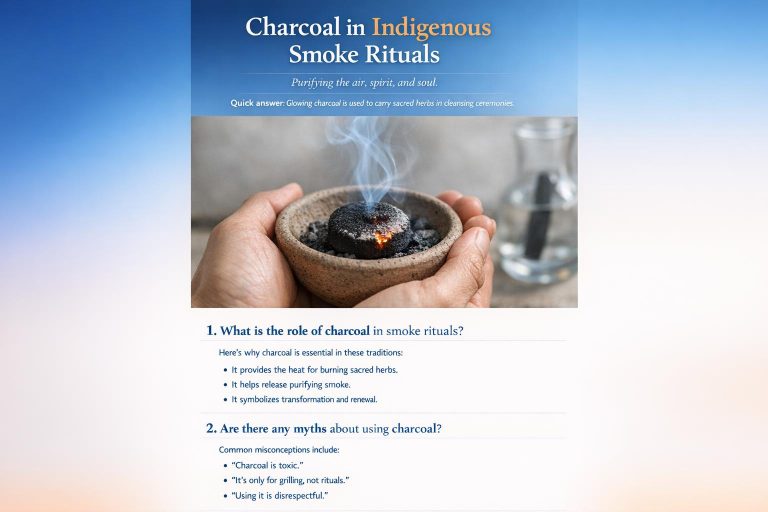
Charcoal-driven smoke rituals blend spiritual meaning with practical purification—from Indigenous ceremonies to modern activated charcoal filters.
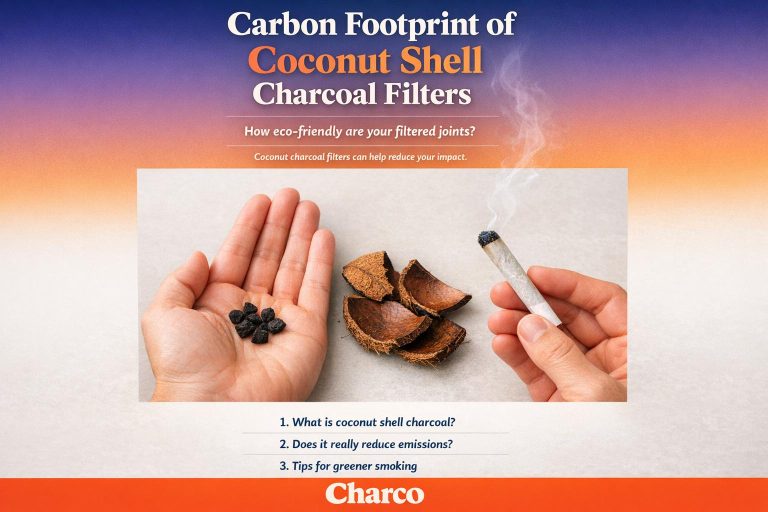
Coconut shell charcoal filters cut lifecycle emissions versus coal, but pyrolysis and pit charring remain the largest sources of carbon impact.