History of Activated Charcoal in Pharmaceuticals
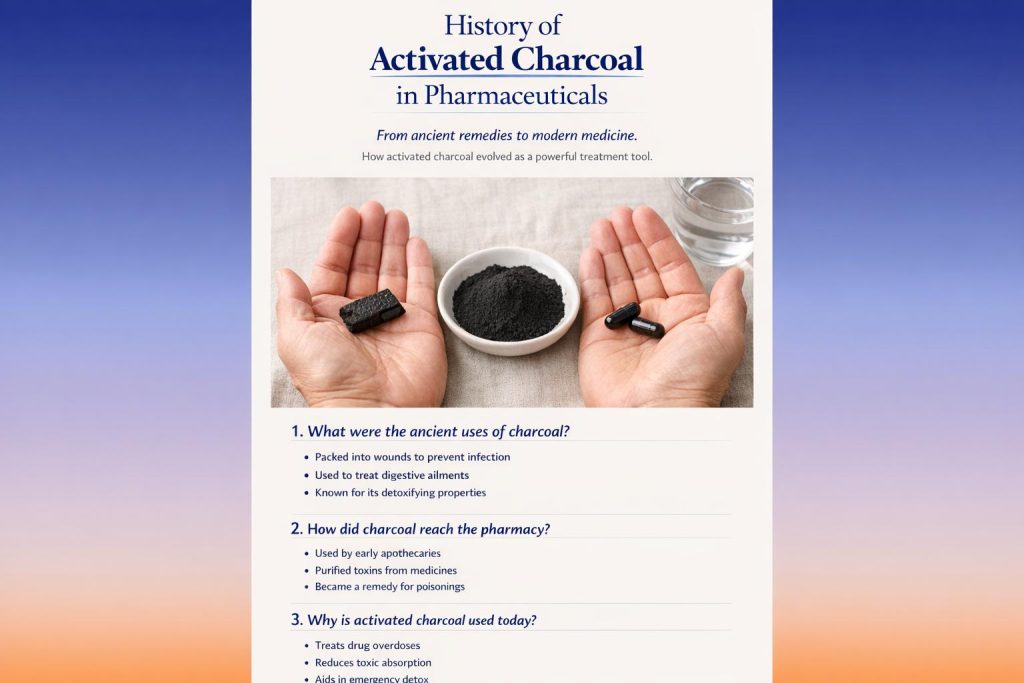
A concise history of activated charcoal’s medical use, from ancient wound care to modern poison treatment, drug purification, and activation methods.

A concise history of activated charcoal’s medical use, from ancient wound care to modern poison treatment, drug purification, and activation methods.
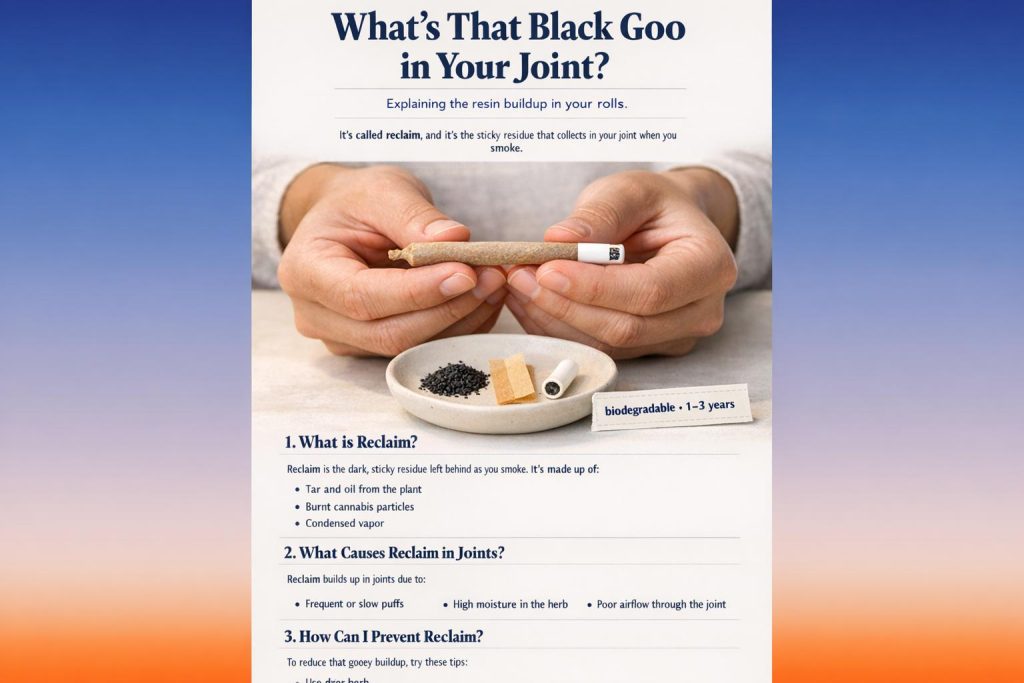
Biodegradable smoking filters use coconut-shell charcoal, unbleached paper and ceramic tips to reduce toxins and decompose in 1–3 years.
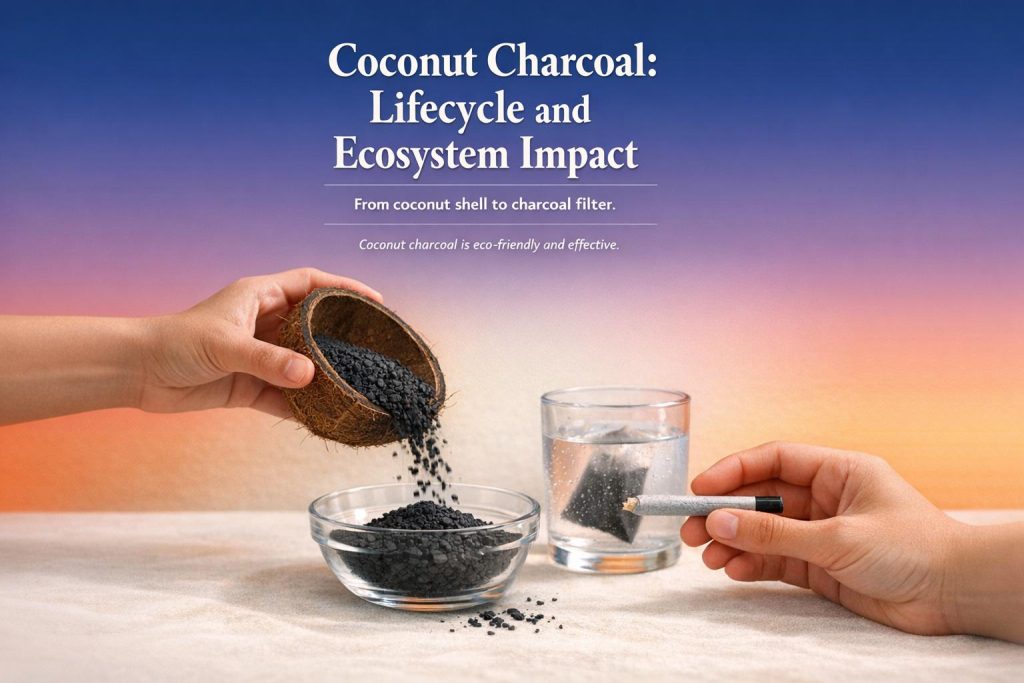
From discarded shells to activated carbon: lower-emission production, waste-to-resource benefits, and uses in water and smoking filtration.
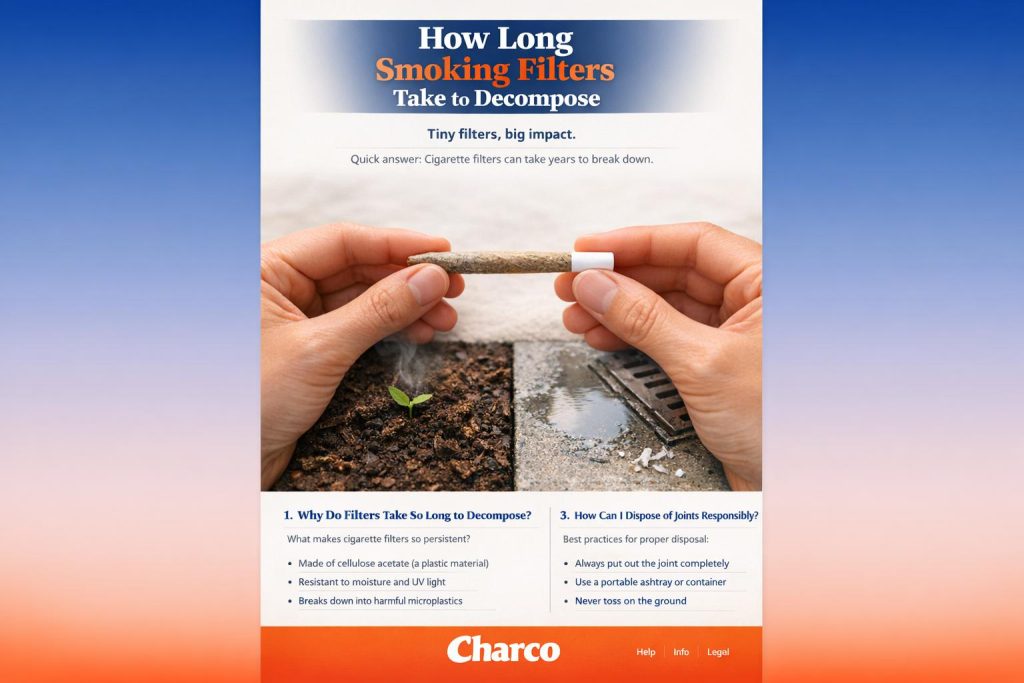
Cigarette filters can persist for years, fragment into microplastics, and only decompose fast in managed compost—material and disposal shape their harm.
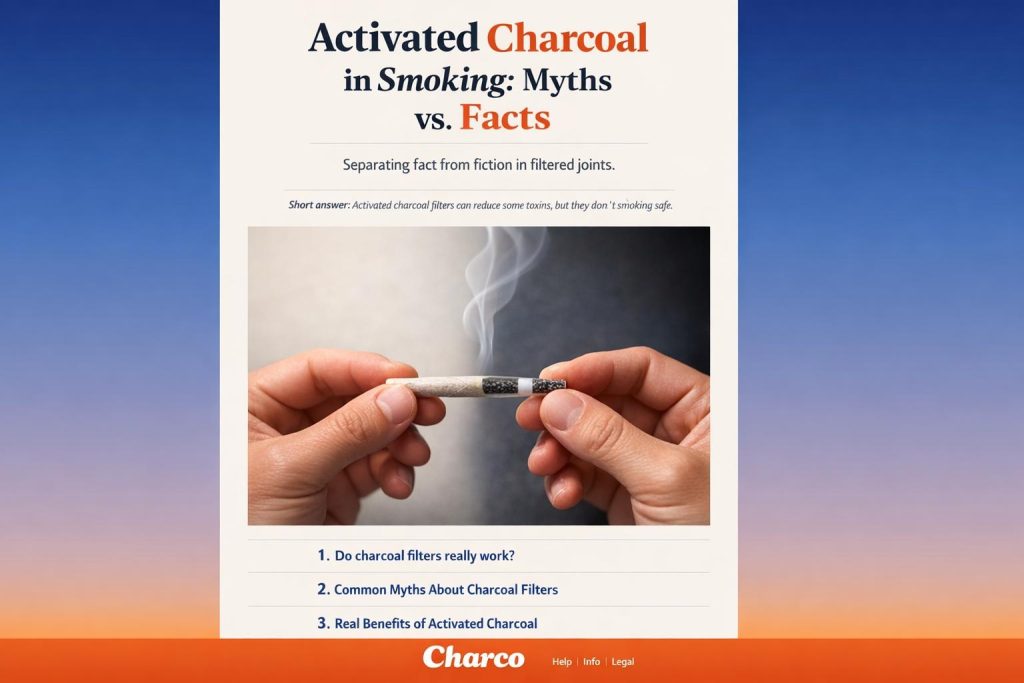
Activated charcoal filters trap many gas-phase toxins, reduce throat irritation and preserve THC/CBD, but they don’t remove gases like CO or eliminate smoking risks.
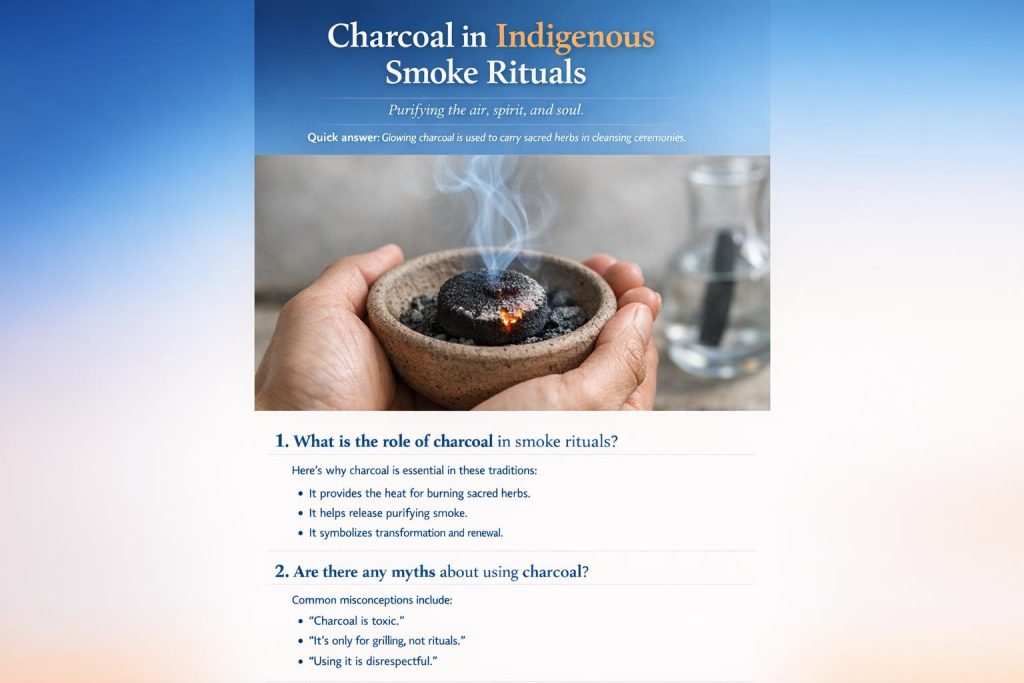
Charcoal-driven smoke rituals blend spiritual meaning with practical purification—from Indigenous ceremonies to modern activated charcoal filters.
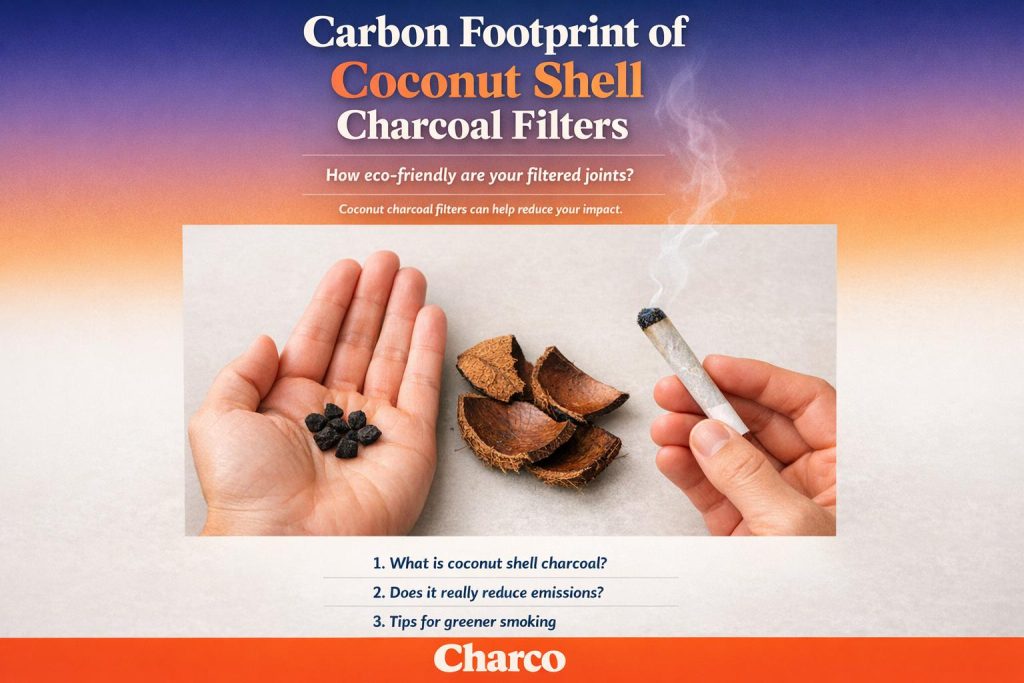
Coconut shell charcoal filters cut lifecycle emissions versus coal, but pyrolysis and pit charring remain the largest sources of carbon impact.
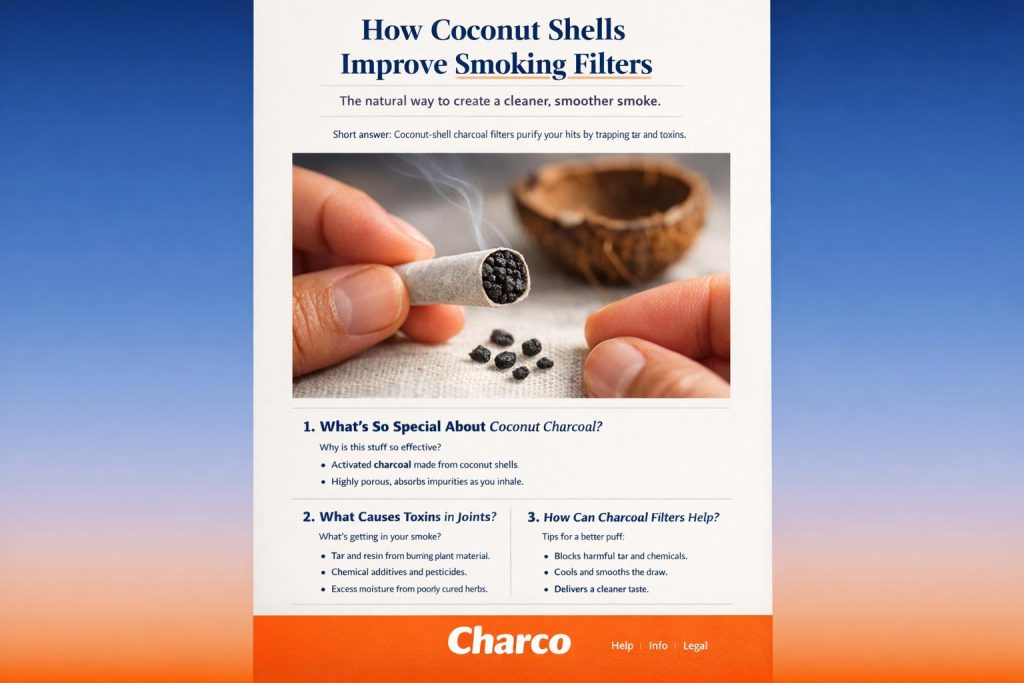
Coconut shell activated charcoal reduces gas-phase toxins and carbonyls, preserves flavor, and provides a durable, low-ash, sustainable smoking filter.

How discarded cigarette filters harm ecosystems and practical solutions—from collection and pyrolysis to recycling programs and biodegradable filter alternatives.
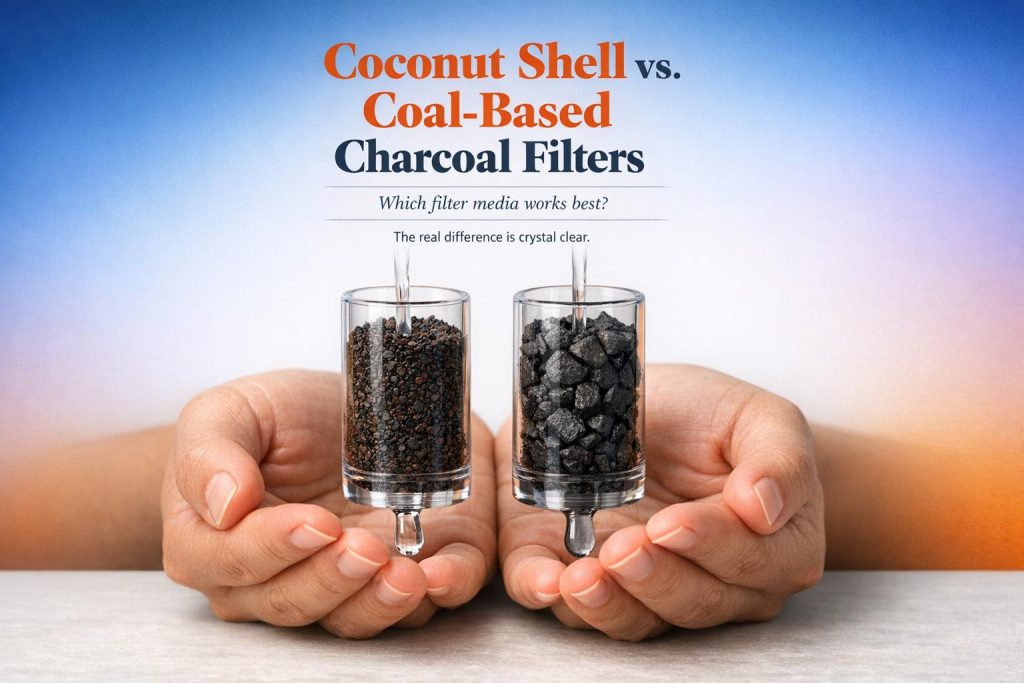
Coconut shell charcoal filters outperform coal-based ones in filtration, durability, and environmental impact.