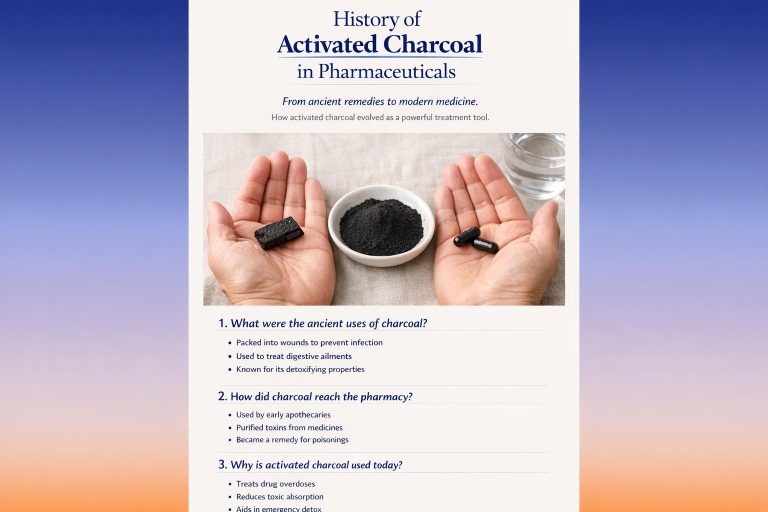
History of Activated Charcoal in Pharmaceuticals
A concise history of activated charcoal’s medical use, from ancient wound care to modern poison treatment, drug purification, and activation methods.

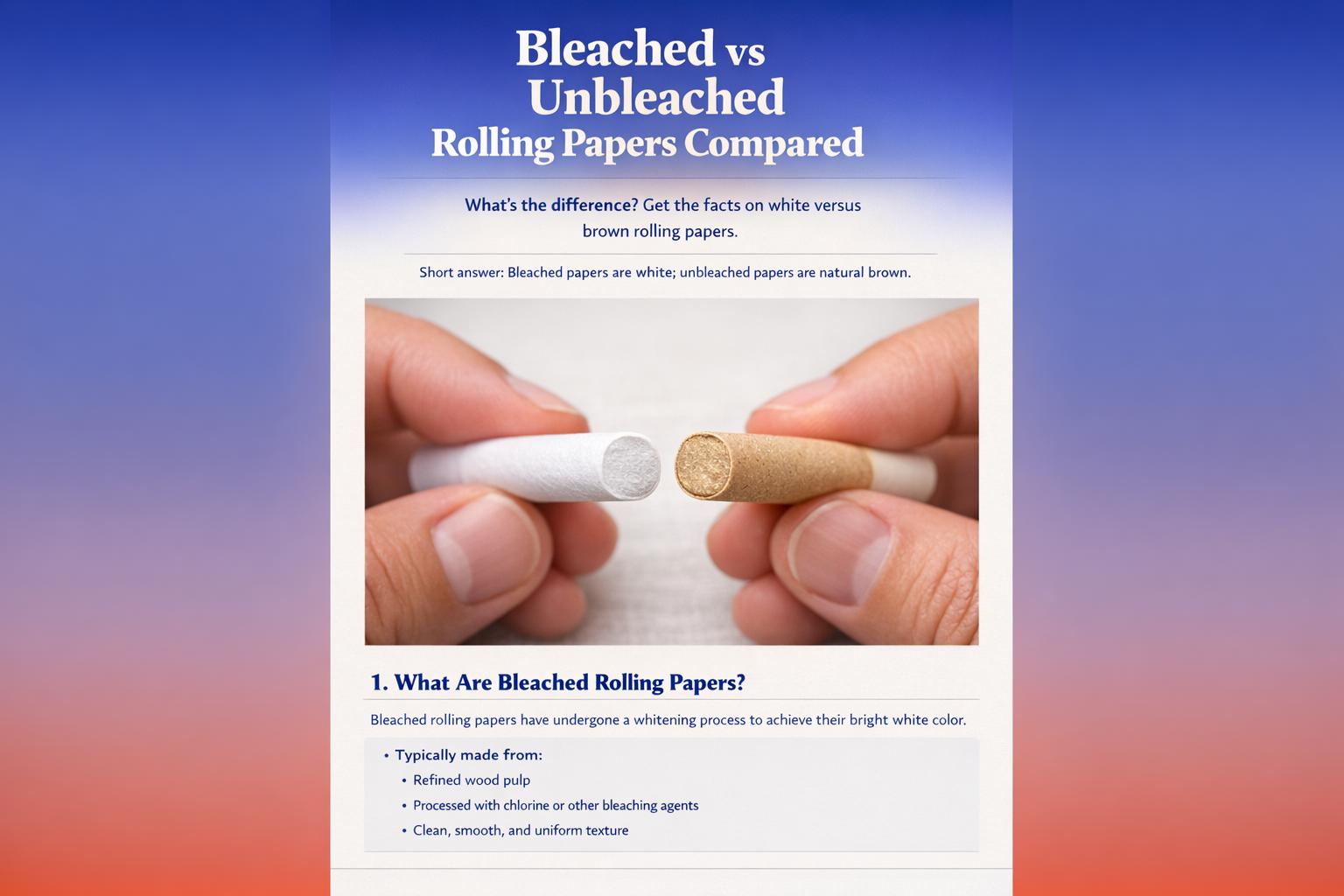
When it comes to rolling papers, the choice between bleached and unbleached can impact your smoking experience. Here’s the key difference: bleached papers are treated to achieve a bright white color, often using chlorine or oxygen, while unbleached papers retain their natural brown or tan color, skipping chemical treatments. This distinction affects factors like flavor, burn quality, and processing methods.
If you value a clean, natural smoking experience with minimal chemical additives, unbleached papers are ideal. For those who prefer a neutral flavor and a more uniform appearance, bleached papers might be a better fit. Your choice depends on your priorities – taste, burn rate, or production methods.
| Feature | Bleached Papers | Unbleached Papers |
|---|---|---|
| Color | Bright white | Natural brown or tan |
| Flavor Impact | Neutral, may leave aftertaste | Earthy, complements herbs |
| Burn Rate | Faster, additives used | Slower, more even |
| Processing | Chemically treated | Minimal processing |
| Texture | Smooth, thin | Slightly rough, better grip |
| Eco-Friendliness | Higher due to chemicals | Lower, often biodegradable |
Choose what aligns with your preferences and values.
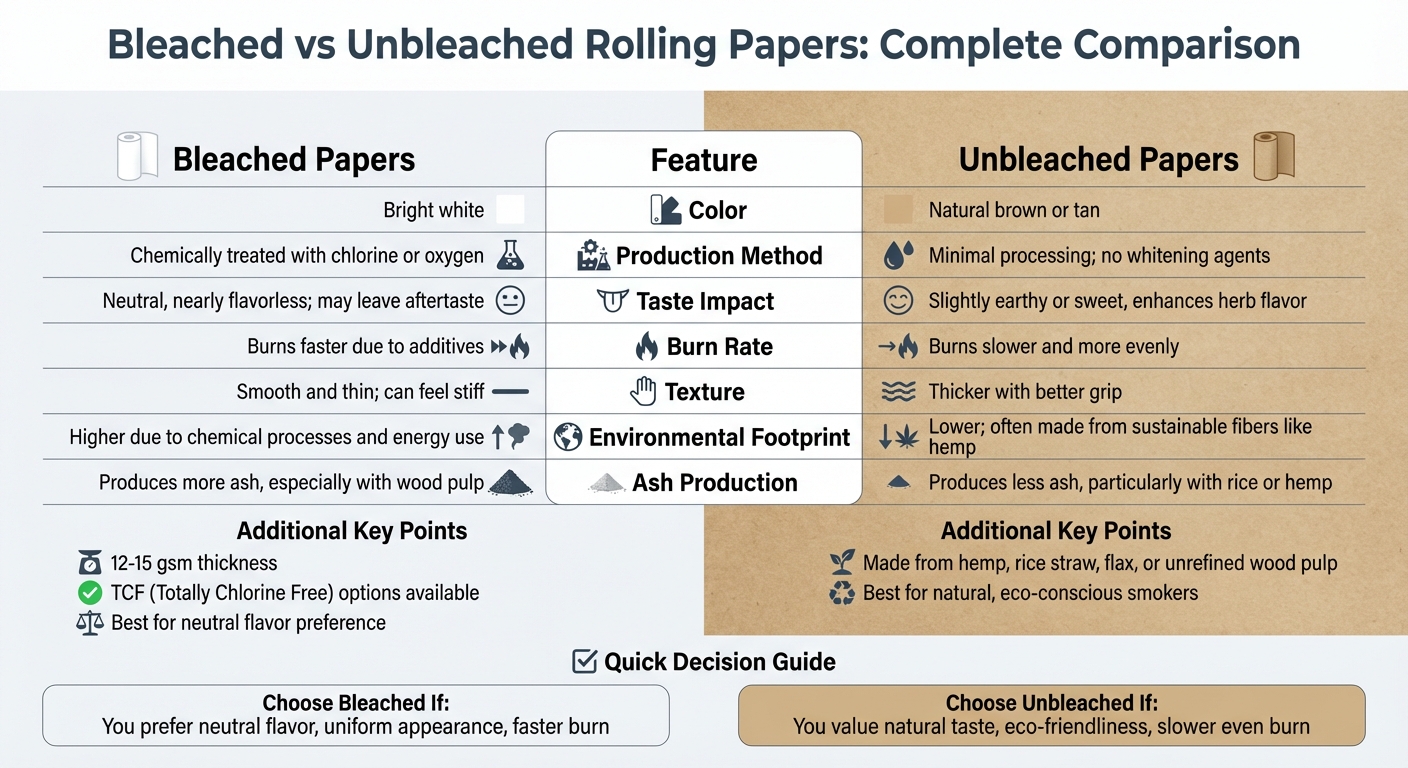
Bleached vs Unbleached Rolling Papers Comparison Chart
Bleached rolling papers are thin sheets made from materials like wood pulp, hemp, flax, or rice. These papers undergo a whitening process to remove lignin – a polymer that gives plants structure – and natural brown pigments.
To achieve their signature bright white color, these papers are treated with whitening agents. While older methods relied on chlorine, many brands now use oxygen, ozone, or calcium carbonate for a cleaner process. Oxygen-based methods, including TCF (Totally Chlorine Free) processes, are particularly popular because they leave no chemical residue behind.
"Zig-Zag white papers use an oxygenation process that leaves no residue of any kind on the paper. There is no ‘bleach’ or chlorine used in the whitening process." – Zig-Zag
Bleached rolling papers are incredibly thin, typically measuring 12 to 15 grams per square meter (gsm). For comparison, standard office paper weighs between 70 and 90 gsm. The removal of lignin during the whitening process helps maintain this thinness while ensuring the paper remains functional for smoking.
The manufacturing methods used directly impact the paper’s performance.
Bleached papers stand out for their bright, uniform appearance and smooth surface, which makes them easier to handle. Wood pulp varieties, in particular, provide a sturdier feel and hold their shape better than some other materials [6, 10].
Smokers might notice a slight chemical aftertaste with chlorine-treated papers, though this is less of an issue with modern oxygen-bleached options. These papers tend to burn faster than unbleached ones, but many brands add calcium carbonate or similar substances to slow the burn and make it more consistent.
When choosing bleached rolling papers, look for labels like "TCF" or "oxygen-bleached" to ensure a cleaner product free from chlorine byproducts.
Unbleached rolling papers are crafted from natural plant fibers like industrial hemp, rice straw, flax, and unrefined wood pulp. These papers skip the whitening process entirely, which keeps their natural brown or tan color intact and limits the use of chemical additives [2, 16, 17]. This straightforward approach appeals to those looking for cleaner, more natural smoking options [6, 9].
Unlike their bleached counterparts, unbleached rolling papers avoid chemical whitening agents altogether. The natural fibers are processed into thin sheets while preserving their original brown pigments. Many of these papers feature patented crisscross watermarks, which help ensure an even burn without needing chemical burn-control additives.
"The whiteness, while attractive and uniform, is ultimately a result of chemical intervention, not a natural state." – Rolly Papers
To further enhance the natural experience, brands often use gum lines made from acacia tree sap, offering a chemical-free option throughout the entire product [9, 16].
Unbleached rolling papers stand out with their natural brown, tan, or beige tones and visible fiber textures that give them an earthy appearance [6, 9]. Their slightly rougher texture makes them easier to grip and roll, which is especially helpful for beginners. Hemp-based varieties are particularly durable, reducing the chances of tearing during use.
These papers are known for their subtle, earthy flavor that complements and preserves the natural taste of your herbs without interference from chemicals [9, 17].
"If you want to extract all the flavor from your smoke, then a bleached paper might be the right choice for you… but unbleached rolling papers add a hint of ‘earth’ to every puff you take." – Guido, Product Specialist
Unbleached papers typically burn slower and more evenly than bleached ones, thanks to the natural density of their fibers rather than the use of chemical accelerants [2, 9]. Ultra-thin options, like rice and hemp papers, leave minimal ash – often just a trace from the gum strip – while maintaining a smooth, consistent burn [2, 19]. These qualities make unbleached papers a popular choice for those seeking a cleaner, more natural smoking experience.
When it comes to rolling papers, one of the most noticeable differences between bleached and unbleached options is their appearance. Bleached papers are bright white due to chemical treatments, while unbleached ones maintain a natural brown or tan color. But these differences go beyond looks – they also affect flavor, burn quality, and even environmental impact. Here’s a closer look at how these two types stack up.
Bleached papers are designed to be as neutral as possible, with chemical processes removing plant elements to create a nearly flavorless option. However, this treatment can sometimes leave a slight aftertaste. On the other hand, unbleached papers often add a subtle earthy sweetness, complementing the natural taste of the herbs.
Burning behavior also varies. Bleached papers often include additives like calcium carbonate to control burn rate, which can result in a quicker burn. Unbleached papers, by contrast, generally burn more slowly and evenly, offering a smoother experience.
Here’s a breakdown of the key differences:
| Feature | Bleached Rolling Papers | Unbleached Rolling Papers |
|---|---|---|
| Color | Bright white | Natural brown or tan |
| Production Method | Chemically treated with chlorine or oxygen | Minimal processing; no whitening agents |
| Taste Impact | Neutral, nearly flavorless; may leave aftertaste | Slightly earthy or sweet, enhances herb flavor |
| Burn Rate | Burns faster due to additives | Burns slower and more evenly |
| Texture | Smooth and thin; can feel stiff | Thicker with better grip |
| Environmental Footprint | Higher due to chemical processes and energy use | Lower; often made from sustainable fibers like hemp |
| Ash Production | Produces more ash, especially with wood pulp | Produces less ash, particularly with rice or hemp |
Each type has its own strengths, so the choice often comes down to personal preference and priorities – whether it’s flavor, burn quality, or environmental considerations.
Charco activated charcoal filters bring a new level of refinement to rolling papers by capturing impurities while keeping the natural flavor of herbs intact. These filters, made from coconut shell–derived activated charcoal, act as a protective barrier against the harsher components of smoke.
The science backs this up: laboratory tests show that filters containing 300 mg of activated charcoal can reduce gas-phase radicals by 88%, while even smaller amounts, like 25 mg, can lower these radicals by 41%. A randomized pilot study published in Drug and Alcohol Dependence in February 2024 further highlighted user preference for these filters, with participants describing them as offering a "cleaner taste" and being more enjoyable compared to non-charcoal alternatives.
Charco filters don’t just purify smoke – they also elevate the overall smoking experience by improving the draw and flavor. By removing irritants and harmful compounds like hydrogen cyanide, benzene, and aldehydes, the filters deliver a smoother, cleaner draw.
If you’re using bleached rolling papers, the neutral profile of the paper pairs perfectly with the filter’s ability to purify the smoke without altering its flavor. For unbleached papers, the filter helps balance the natural harshness of unrefined fibers, while still preserving a subtle, earthy undertone.
"Activated charcoal (AC) filtration reportedly decreases the yields of smoke vapor phase constituents including some identified as human carcinogens and respiratory irritants." – PubMed
For the best results, make sure your filter fits snugly in your roll. A tight fit ensures maximum contact between the smoke and the charcoal, effectively trapping impurities and delivering a noticeably cleaner experience.
Besides enhancing flavor, Charco filters also support a more environmentally conscious smoking ritual. Pairing unbleached rolling papers with Charco’s sustainable coconut shell–based filters creates one of the most eco-friendly setups available.
Unbleached hemp or rice papers, often biodegradable, break down faster than bleached options. When combined with Charco’s ceramic-tipped filters, this setup not only reduces your environmental impact but also aligns with the rising demand for transparency and minimal processing in consumer products. It’s a small but meaningful step toward a cleaner, greener approach to smoking.
Choosing the best rolling paper comes down to three main factors: flavor preference, rolling technique, and personal values.
When it comes to flavor, unbleached papers stand out for preserving the natural terpene profile of your herbs, thanks to their earthy, unprocessed character. For those just starting out, unbleached hemp papers are a great option. Their medium thickness and textured surface make them easier to handle and less likely to tear. On the other hand, ultra-thin rice papers demand more skill, while bleached wood pulp papers strike a balance between ease of use and durability. Beyond ease of rolling, it’s worth considering how the material impacts the burn and aligns with your values.
"The healthiest rolling papers are unbleached, organic materials free from chemical additives, such as 100% hemp or rice paper." – Stephen Toth, Smoke Cartel
If sustainability matters to you, unbleached papers are a solid choice. They skip chemical whitening processes and are often made from eco-friendly materials like hemp. Pair them with Charco’s coconut shell-based filters for a greener smoking experience. Keep in mind, though, that unbleached papers might be a bit pricier due to their more mindful production methods.
Burn quality is another factor to weigh. Unbleached hemp and flax papers burn slower and more evenly, which helps minimize canoeing. Meanwhile, bleached wood pulp papers burn faster, making them a better fit for quicker sessions. As highlighted in the comparison table, these differences boil down to the fiber density of natural materials versus the effects of chemical additives. Ultimately, your choice should align with how you like to smoke – whether that’s a slow, steady burn or a faster pace.
Unbleached rolling papers stand out as a more environmentally friendly option because they avoid the chemical bleaching process. This means harmful substances like chlorine are not used during production, reducing the release of toxic byproducts such as dioxins that can contaminate water, soil, and ecosystems.
Opting for unbleached papers supports cleaner manufacturing practices and lessens the environmental footprint tied to traditional bleaching methods. Their signature natural brown hue is a testament to their minimal processing, making them a smarter choice for those who prioritize eco-conscious living.
Bleached rolling papers are known for their neutral flavor, which comes from the bleaching process – often involving chemicals like chlorine. Many smokers appreciate this for delivering what they describe as a "cleaner" smoking experience, though it can subtly change the herb’s natural taste.
In contrast, unbleached papers are made from natural plant fibers and retain their characteristic brown hue. These are often favored for offering a more natural, earthy flavor that pairs well with the herb’s original taste. Ultimately, the choice between bleached and unbleached papers depends on your flavor preferences and the kind of smoking experience you want.
Yes, bleached rolling papers can pose certain risks. The bleaching process typically uses chemicals like chlorine or calcium carbonate, which might leave behind residues. When these papers are burned, those residues could be inhaled, potentially affecting your health. Because of this, many smokers opt for unbleached papers to minimize exposure to additives and maintain a more natural smoking experience.
A concise history of activated charcoal’s medical use, from ancient wound care to modern poison treatment, drug purification, and activation methods.
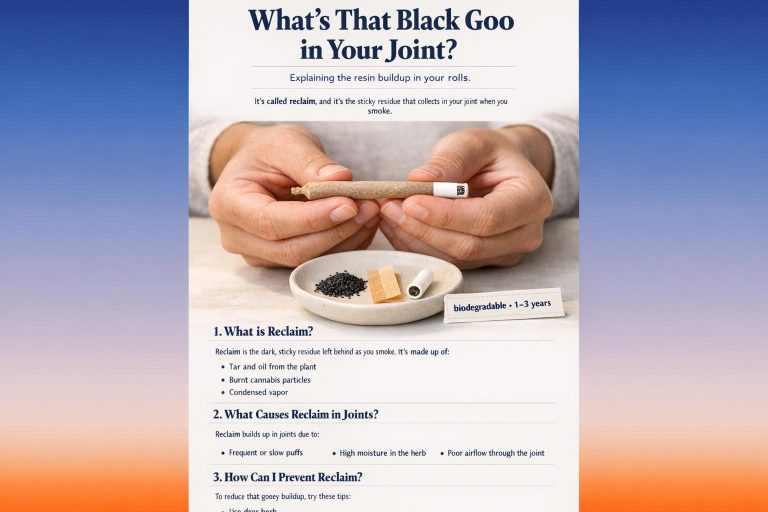
Biodegradable smoking filters use coconut-shell charcoal, unbleached paper and ceramic tips to reduce toxins and decompose in 1–3 years.
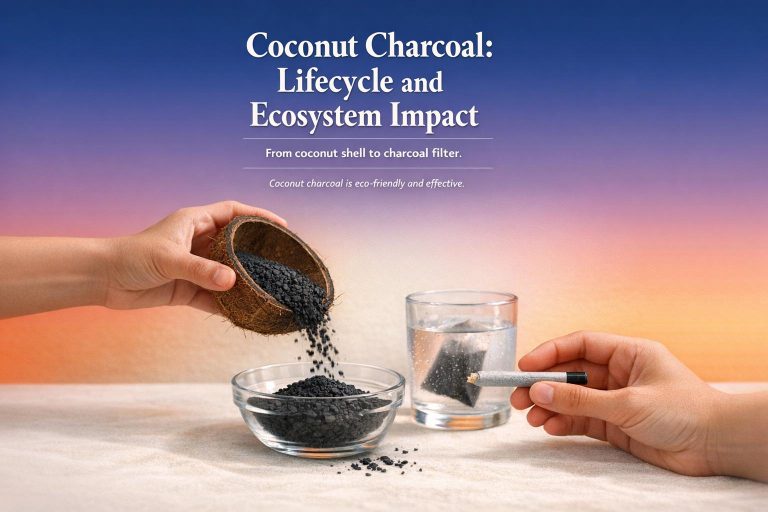
From discarded shells to activated carbon: lower-emission production, waste-to-resource benefits, and uses in water and smoking filtration.
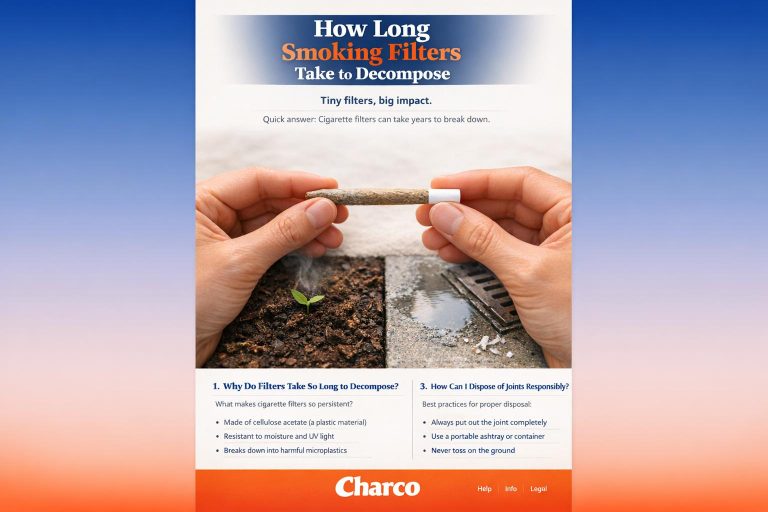
Cigarette filters can persist for years, fragment into microplastics, and only decompose fast in managed compost—material and disposal shape their harm.
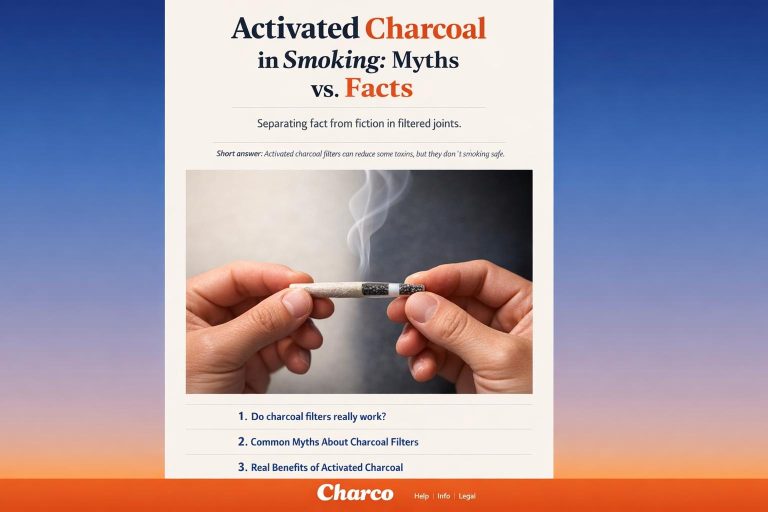
Activated charcoal filters trap many gas-phase toxins, reduce throat irritation and preserve THC/CBD, but they don’t remove gases like CO or eliminate smoking risks.
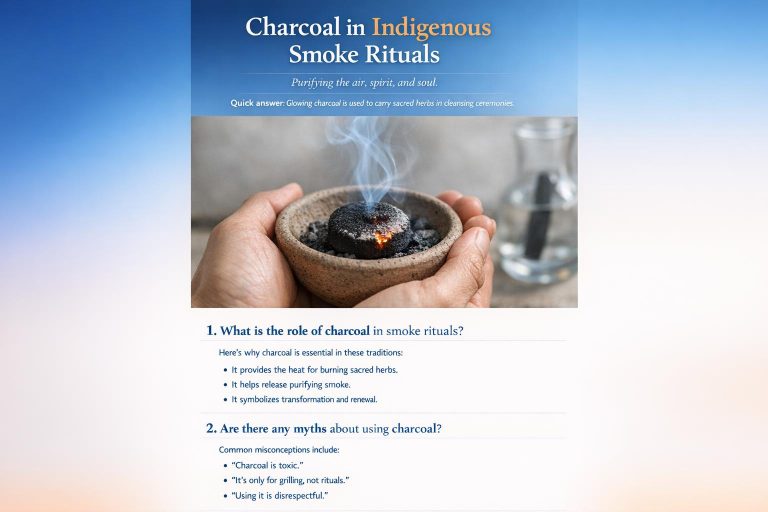
Charcoal-driven smoke rituals blend spiritual meaning with practical purification—from Indigenous ceremonies to modern activated charcoal filters.