Natural Filters: Eco Benefits for Smokers
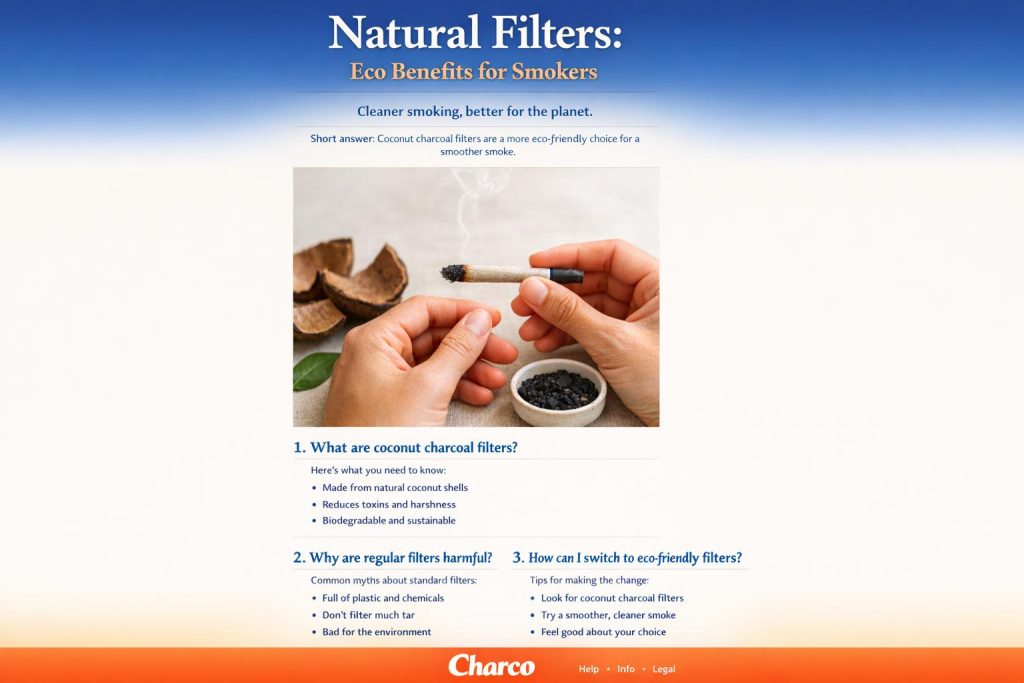
Natural coconut-shell charcoal filters reduce smoke toxins and biodegrade, offering smokers a simple way to lower microplastic pollution.

Natural coconut-shell charcoal filters reduce smoke toxins and biodegrade, offering smokers a simple way to lower microplastic pollution.

A concise history of how smoking moved from spiritual, communal rituals to mass-produced consumption – and the cultural, health, and environmental costs.
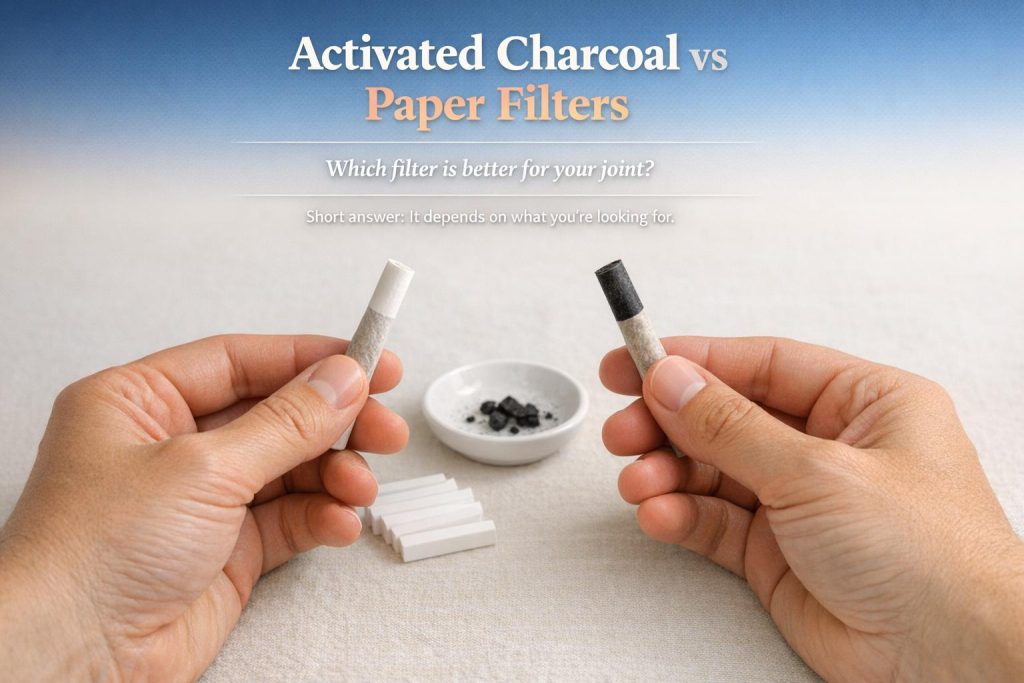
Compare charcoal and paper filters: charcoal cuts gas-phase toxins and smooths hits; paper preserves full flavor, is cheaper and more biodegradable.
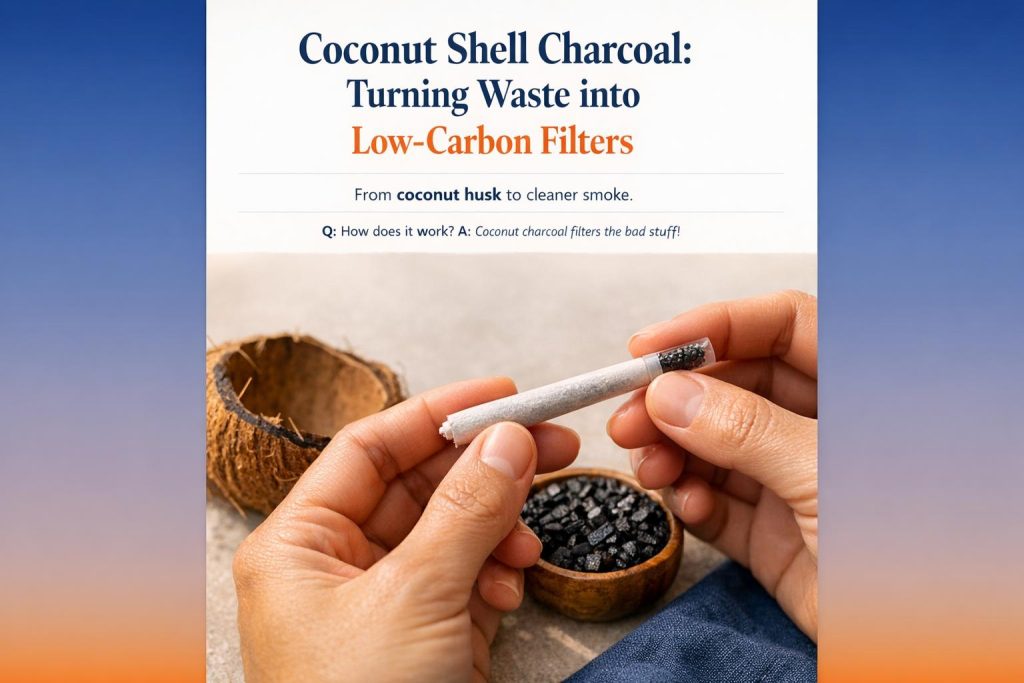
Coconut shell charcoal converts agricultural waste into low‑carbon, microporous activated carbon for cleaner smoking filters and lower emissions.
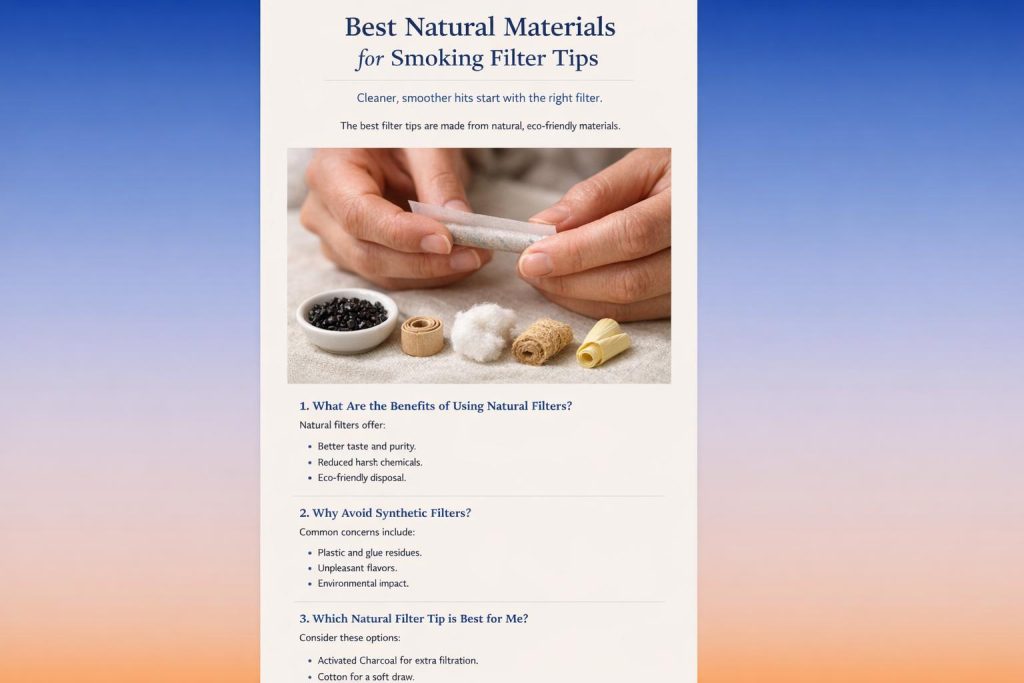
Compare five natural filter tip materials—activated charcoal, wood pulp, cotton, hemp, and corn husk—by filtration, flavor, smoothness, and eco impact.
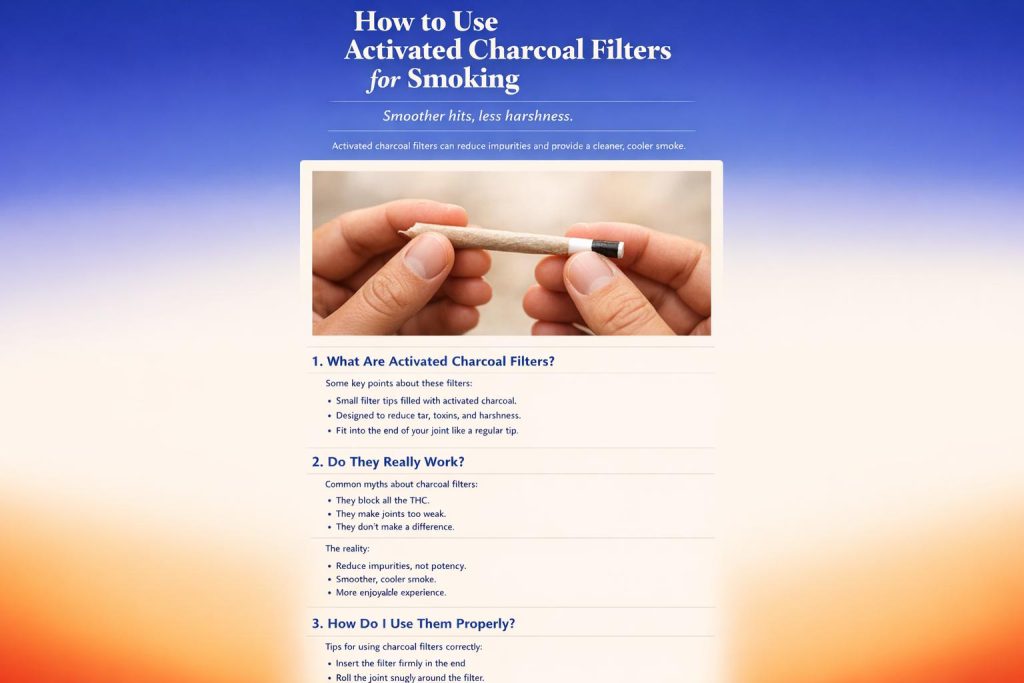
Activated charcoal filters cut smoke toxins, cool and smooth draws, and work with joints, pipes, or cigars — installation, care, and eco-friendly options explained.
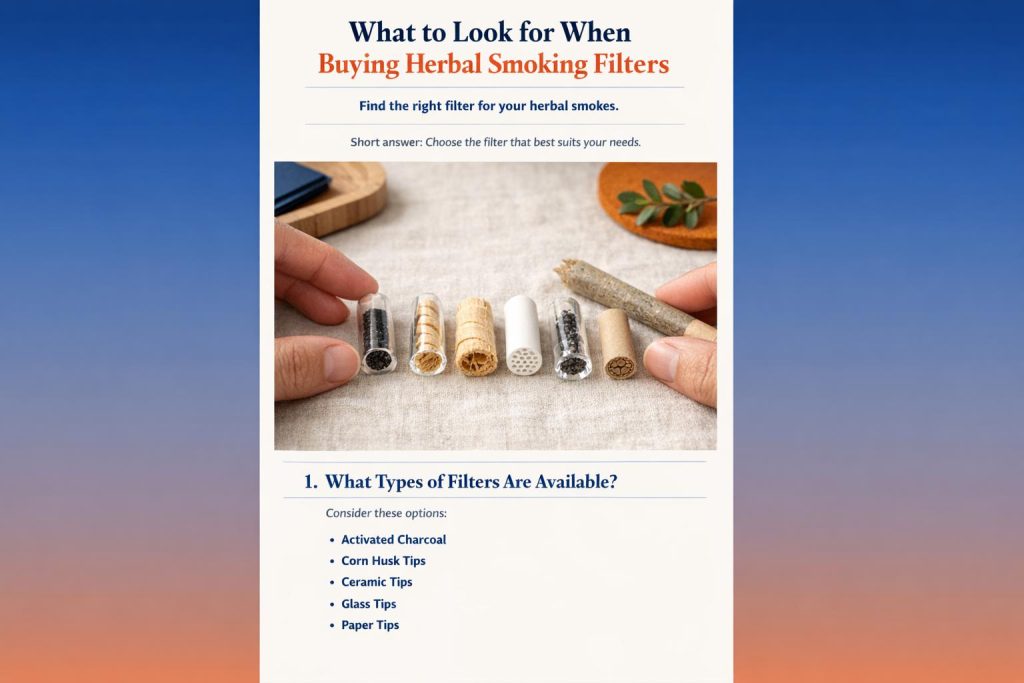
Compare materials, sizes, performance and eco features to choose herbal smoking filters that reduce harsh compounds, preserve flavor, and fit your setup.
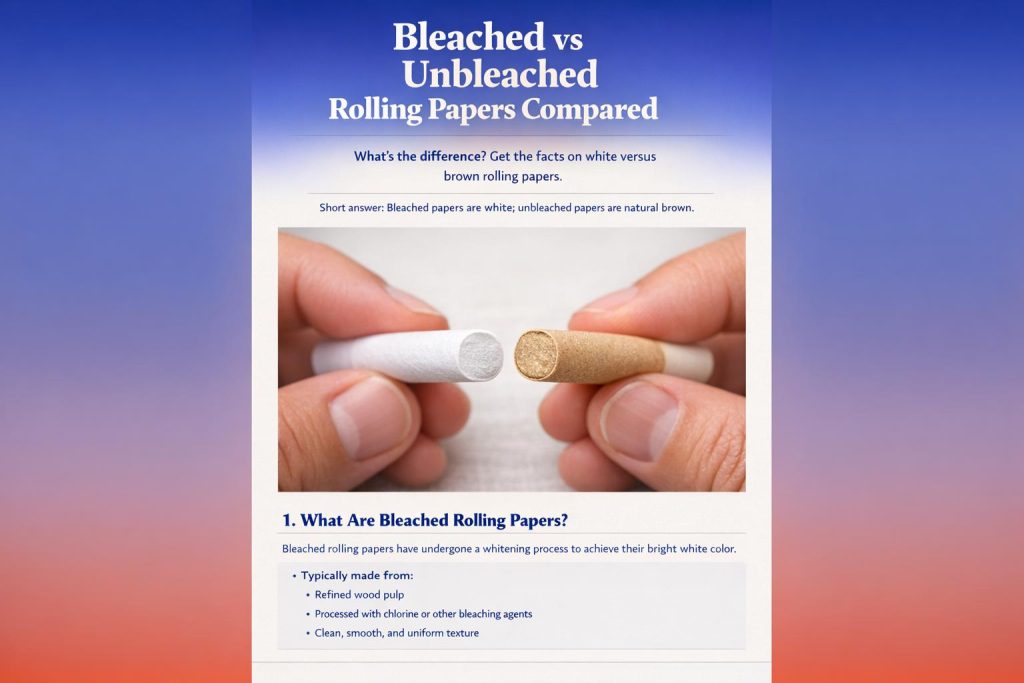
Compare bleached and unbleached rolling papers: differences in flavor, burn rate, processing, and environmental impact to help you choose.

Charcoal cigarette filters cut gas-phase toxins (benzene, formaldehyde) but not tar, particulates, or CO; effectiveness varies by charcoal load and filter design.

Compare paper vs ceramic filter tips by cost, flavor, filtration, durability, and environmental impact to find the best fit for your smoking habits.