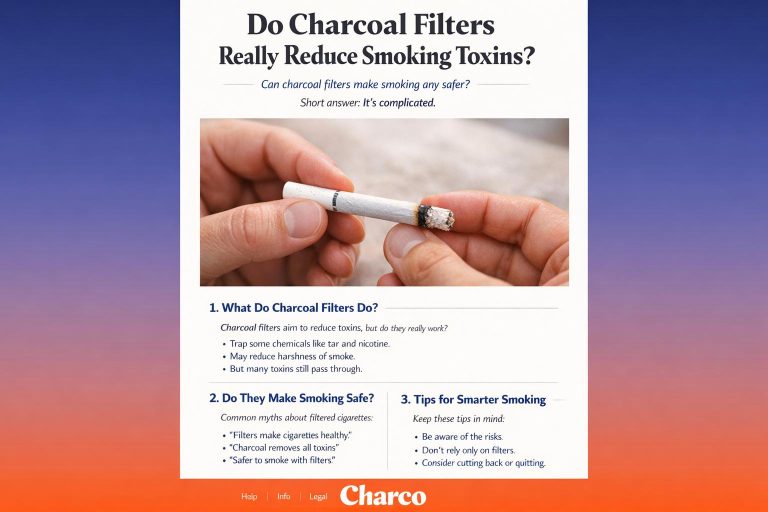
Do Charcoal Filters Really Reduce Smoking Toxins?
Charcoal cigarette filters cut gas-phase toxins (benzene, formaldehyde) but not tar, particulates, or CO; effectiveness varies by charcoal load and filter design.


Choosing between paper and ceramic filter tips comes down to your smoking habits, budget, and priorities. Here’s the quick breakdown:
Quick Comparison:
| Feature | Paper Tips | Ceramic Tips |
|---|---|---|
| Cost | $0.14–$0.50 per tip | $0.25–$0.50 per tip |
| Reusability | Single-use | Reusable |
| Filtration | Basic debris blocking | Advanced with charcoal |
| Flavor Impact | May leave a paper aftertaste | Preserves natural flavor |
| Durability | Can collapse or get soggy | Sturdy and long-lasting |
| Waste Reduction | Adds to global litter | Cuts down on waste |
If you smoke occasionally, paper tips are simple and convenient. For daily smokers who care about flavor, performance, and reducing waste, ceramic tips are a worthwhile investment.
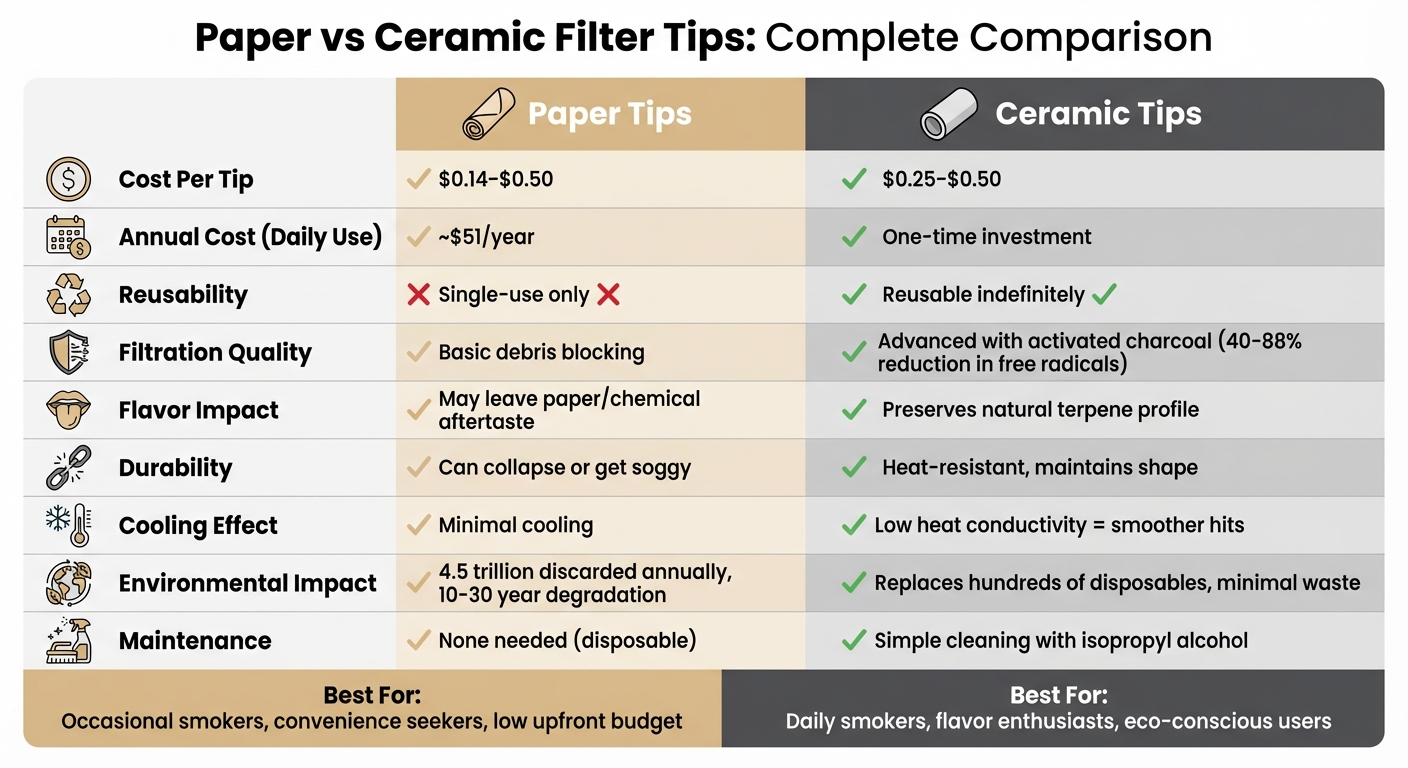
Paper vs Ceramic Filter Tips Comparison Chart
The way filter tips are constructed plays a big role in how they perform. Paper filter tips, typically made from materials like cardboard, crepe, or unbleached paper, act as a structural support while using mechanical filtration to trap larger particles.
Ceramic filter tips, on the other hand, work a bit differently. They usually consist of two heat-resistant ceramic caps with a cavity filled with activated charcoal. This setup not only blocks debris but also helps cool the smoke before it’s inhaled, making the experience smoother. The activated charcoal adds another layer of functionality by adsorbing gas-phase chemicals – a feature that paper filters don’t offer.
Durability is another key difference. Paper tips are designed for single use and naturally break down over time, making them biodegradable. Ceramic tips, however, are built to last. Their sturdy, heat-resistant design allows them to be reused across multiple sessions. That said, even with activated charcoal, ceramic filters don’t completely remove carbon monoxide or ultrafine particles.
The heat resistance and chemical adsorption capabilities of ceramic tips give them an edge in filtration. These differences in design highlight the unique environmental and practical benefits each type of filter offers.
Paper filter tips are made from cellulose acetate, a semi-synthetic polymer that starts with renewable cellulose but undergoes chemical processing. This involves acetylation and the addition of plasticizers like triacetin or polyethylene glycol to improve functionality. While the base material is derived from renewable sources, the manufacturing process introduces chemical additives and alkali metal salts, which help maintain burning and cohesion. The downside? Cellulose acetate is slow to break down, lingering in the environment for 10 to 30 years under certain conditions. Even more concerning, discarded filters release an estimated 14 trillion to 51 trillion microfibers into aquatic ecosystems each year.
On the other hand, ceramic filter tips are crafted from natural clay and are designed to last. Their production emphasizes durability and reusability, presenting a stark contrast to the single-use nature of paper tips.
The environmental consequences of these materials become even clearer when considering waste. Disposable paper filter tips significantly contribute to global litter. Each year, approximately 4.5 trillion cigarette filters – amounting to about 845,000 tons – are thrown away worldwide. These discarded filters are a major source of pollution, making up 19% to 38% of debris collected during global cleanup efforts and accounting for 24.6% of marine litter.
Ceramic tips, however, are built for repeated use, offering a more sustainable alternative. A single ceramic filter can replace hundreds of disposable paper tips over its lifetime, leading to a significant reduction in waste. While ceramic materials are not biodegradable, their durability means far fewer items end up polluting landfills or oceans. For smokers looking to minimize their environmental footprint, the small effort required to clean ceramic tips is a worthwhile trade-off for the substantial reduction in waste. This comparison highlights how the choice of material can have a profound impact on sustainability.
When it comes to filtration, paper tips primarily act as a barrier to keep loose material out of your mouth, but they don’t do much to filter finer particles. Ceramic tips, however, take it a step further with built-in screens that effectively block resin and smaller particles. They also bring a noticeable difference in smoking temperature. Ceramic’s low heat conductivity helps cool the smoke, resulting in a smoother inhale, while paper tips provide minimal cooling, often leading to a harsher throat hit. Interestingly, when ceramic filters are paired with activated charcoal, they can reduce gas-phase free radicals in smoke by an impressive 40% to 88%. These differences not only enhance smoothness but also shape the overall flavor experience.
Ceramic tips shine when it comes to preserving flavor. Paper tips, due to adhesives or bleaching agents, may sometimes leave a burnt or processed aftertaste. In contrast, ceramic is chemically inert and non-porous, allowing it to maintain the herb’s natural terpene profile. As DaySavers explains:
Ceramic is neutral in taste, meaning it doesn’t interfere with or alter the flavor of the cannabis. You’ll notice a more pronounced terpene aroma and taste in each hit.
Another practical advantage of ceramic tips is their durability during a session. Paper tips can become soggy or even collapse, which compromises the draw. Ceramic tips, however, hold their shape, ensuring a consistent and enjoyable experience from start to finish.
Paper tips are lightweight, disposable, and require no upkeep – they’re designed for one-time use and easy disposal. Ceramic tips, on the other hand, are built to last and can replace countless disposable options over time. While they do require occasional cleaning to prevent resin buildup from affecting taste and airflow, maintaining them is simple. A quick clean with 70%-90% isopropyl alcohol or warm soapy water, followed by a thorough rinse and air drying, keeps them in top shape. Just avoid abrasive cleaners and store them in a protective case for added longevity. While paper tips offer unmatched convenience, ceramic tips provide durability and reusability, making them a smart choice for regular users looking for long-term value.
When it comes to cost, paper filter tips are the more affordable option upfront. They typically range between $0.14 and $0.50 each – for instance, Denicotea offers 100 tips for $13.99, while Medico tips are priced closer to $0.50 per piece. On the other hand, ceramic-capped filters fall within a similar range of $0.25 to $0.50 each. For example, Vauen Dr. Perl Junior filters cost $9.99 for 40, and Savinelli‘s 6mm filters are $15.00 for a pack of 30.
For daily users of paper tips, the costs can add up quickly. At $0.14 per tip, an annual expense might reach around $51. Ceramic tips, however, are designed for repeated use, making them a more economical choice over time. As noted by Custom Cones USA:
A quick cleaning with isopropyl alcohol to remove any resin build-up will make a ceramic filter tip as good as new and ready to be re-rolled into another blunt or joint.
This reusability factor significantly reduces ongoing costs, making ceramic tips a smart investment for frequent users.
For those who smoke occasionally, paper filter tips are a convenient and low-maintenance option. A single purchase of 100 filters for $13.99 can last a long time without requiring any cleaning or special care.
On the other hand, ceramic tips are ideal for daily smokers and those who prioritize flavor and performance. While their initial cost is higher, ceramic tips provide better filtration, preserve the natural flavor of your materials, and can handle high-heat sessions – like those involving concentrate-infused rolls – without degrading. Their durability also minimizes waste, as they don’t need to be discarded after each use.
Each filter type has its own perks, and the best choice depends on your smoking habits, budget, and personal preferences.
Paper tips are ideal for those who smoke occasionally and value convenience. They’re affordable and disposable, offering basic filtration. However, they might slightly alter the taste of your smoke.
On the other hand, ceramic tips are a better fit for daily smokers who want a smoother experience with more refined flavor. While they cost more upfront, their reusability makes them a cost-effective option in the long run. Plus, they preserve the natural taste even during high-heat use.
From an environmental perspective, ceramic tips significantly reduce waste. Their reusable nature helps tackle the staggering 4.5 trillion cigarette butts discarded every year.
If you’re a frequent smoker focused on flavor, health, and reducing waste, ceramic tips are worth the investment. Meanwhile, occasional smokers may find paper tips more practical for their needs.
Ceramic filter tips are crafted to elevate your smoking experience by delivering a cleaner and smoother draw. Made from heat-resistant and porous materials, these tips work to cool the smoke as you inhale, offering a gentler and more pleasant sensation.
Another perk of ceramic tips is that they are flavor-neutral. They don’t alter or mask the natural taste of what you’re smoking, allowing you to enjoy the full, unadulterated flavors. For anyone who prioritizes a pure and genuine smoking experience, ceramic tips are an excellent choice.
Ceramic filter tips stand out for their durability and reusability, offering a practical way to cut down on waste compared to single-use paper tips. By using the same ceramic tip repeatedly, smokers can significantly reduce the litter and disposable materials typically associated with smoking.
On the other hand, paper tips rely on wood-based resources, meaning their production demands ongoing harvesting and generates more manufacturing waste. Because ceramic tips last much longer, they lessen the need for constant production of new materials, making them an appealing option for smokers who prioritize reducing their environmental impact.
Ceramic filter tips might come with a higher initial price tag compared to disposable paper filters, but they’re built to last, making them a smart choice for regular smokers. These tips stand out for being heat-resistant, durable, and easy to clean, meaning you can use them repeatedly without losing quality. Over time, this cuts down on the need for constant replacements, spreading out the upfront cost across many sessions.
For those who roll multiple joints a day, ceramic tips can actually end up being more cost-effective per use than paper filters. Plus, their reusable design helps minimize waste, offering a more eco-conscious alternative for smokers who care about reducing their environmental impact.
Charcoal cigarette filters cut gas-phase toxins (benzene, formaldehyde) but not tar, particulates, or CO; effectiveness varies by charcoal load and filter design.
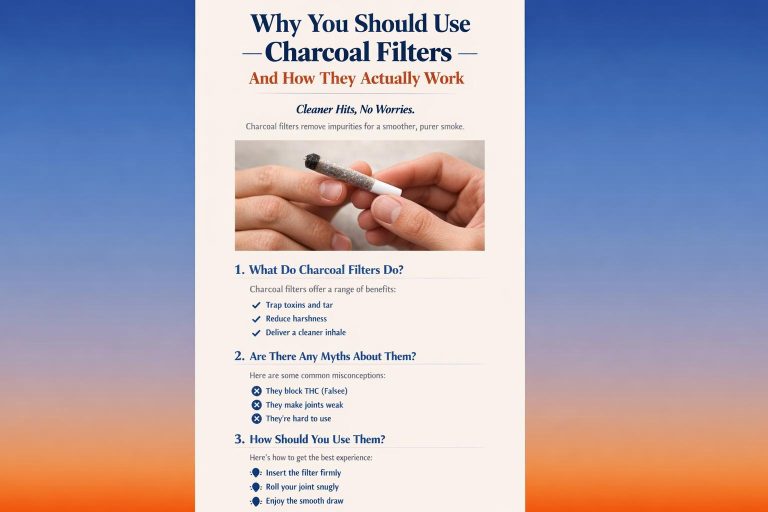
Charcoal filters drastically cut toxic smoke compounds while keeping flavor and cooling the draw.
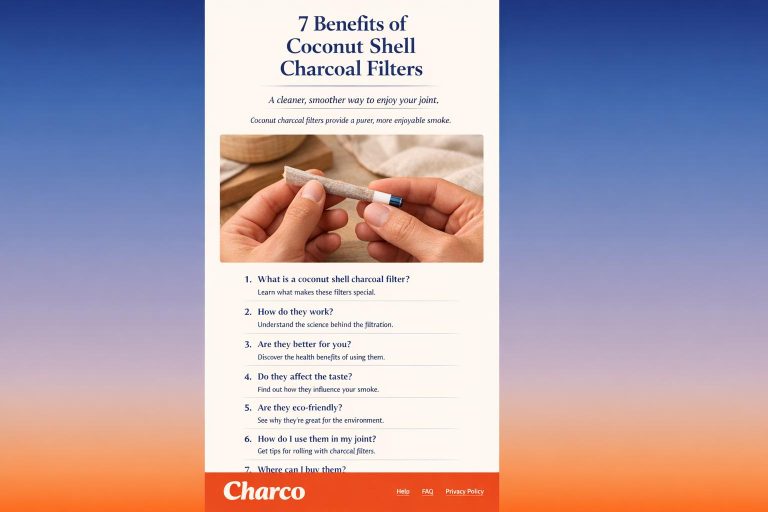
Coconut shell activated-carbon filters reduce smoke toxins and free radicals, cool and smooth draws, preserve flavor, cut odors, and use renewable materials.
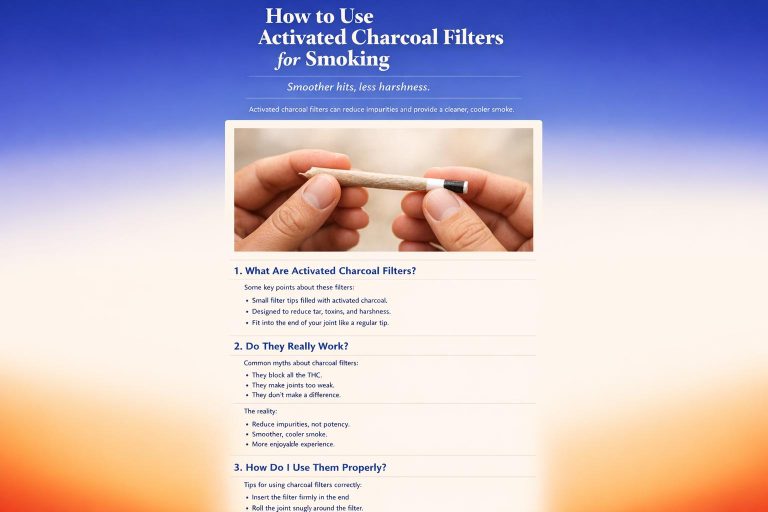
Activated charcoal filters cut smoke toxins, cool and smooth draws, and work with joints, pipes, or cigars — installation, care, and eco-friendly options explained.

A 3,500-year look at activated charcoal — how adsorption made it a go-to natural filter for water, air, medical uses, and eco-friendly products.
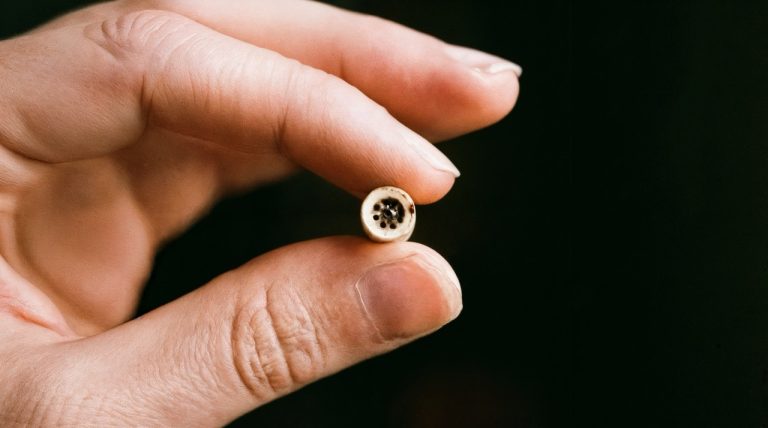
Is this black goo leaking from my charcoal filter?
The short answer: No. Absolutely not.